 Save to Pinterest
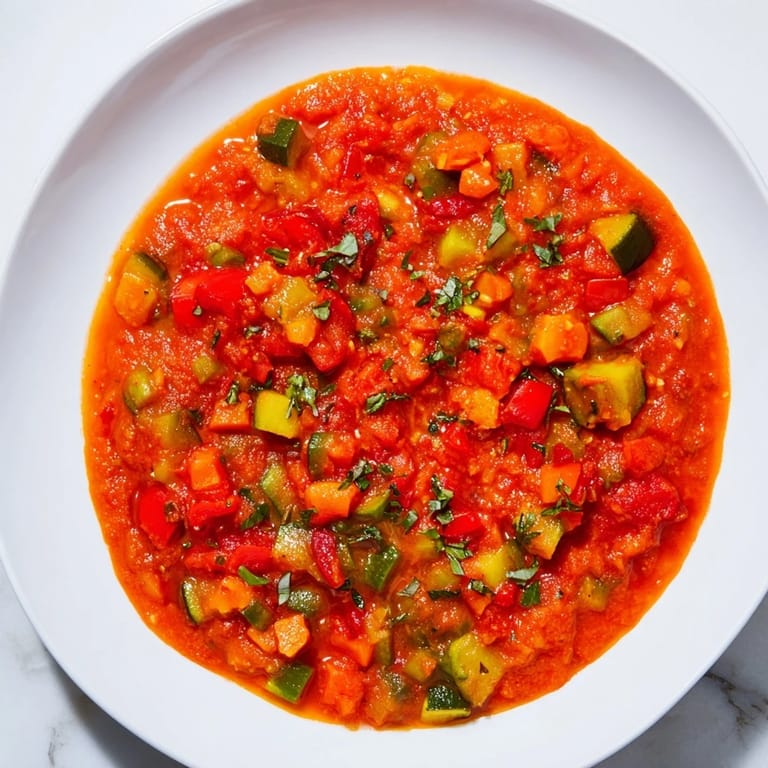
 The first time my toddler caught me red-handed puréeing vegetables into tomato sauce, I thought wed discovered a new level of parental deception. Then he asked for seconds and I realized this wasnt trickery—it was just good cooking. Now this sauce lives in a constant rotation in our freezer, ready for those nights when pasta needs to carry more than just carbs.
I started making this during a stretch when my partner was recovering from surgery and needed easy, nourishing meals. That first batch disappeared so fast we stopped bothering to pretend it was anything special and just admitted it was the best sauce either of us had ever tasted. Now whenever friends drop by with new babies or cold season hits, a jar of this goes with them.
Ingredients
- 1 medium carrot, peeled and chopped: Carrots bring a natural sweetness that balances the acidity of tomatoes without needing much sugar
- 1 small zucchini, chopped: This mild veggie practically disappears into the sauce while adding creaminess and extra vitamins
- 1 bell pepper, seeded and chopped: Red or orange peppers contribute depth and body without any vegetal taste
- 1 small onion, chopped: The foundation of flavor—take your time cooking this down until it's translucent and sweet
- 2 cloves garlic, minced: Add this after the other vegetables have softened so it doesn't burn and turn bitter
- 1 celery stalk, chopped: One stalk is enough to give that classic aromatic base without overpowering the sauce
- 2 cans (400 g each) crushed tomatoes: Good quality canned tomatoes make all the difference here—check for ones from Italy or California
- 2 tbsp tomato paste: This concentrates the tomato flavor and gives the sauce a richer, deeper color
- 1 tbsp olive oil: Use a decent extra virgin olive oil—its flavor will come through in the finished sauce
- 1 tsp dried oregano: Dried herbs work beautifully here since they'll bloom during the long simmer
- 1 tsp dried basil: If you have fresh basil, save it for garnish—dried is perfect for cooking into the sauce
- 1/2 tsp salt: Start with this and adjust at the end—the flavor concentrates as it cooks
- 1/4 tsp black pepper: Freshly ground gives you the best aromatic punch
- 1/2 tsp sugar (optional): Only add this if your tomatoes taste particularly acidic—good tomatoes might not need it
- Pinch of red pepper flakes: Just enough to wake up your palate without overwhelming the vegetables
- Fresh basil, chopped: The finishing touch that makes everything taste brighter and fresher
Tired of Takeout? 🥡
Get 10 meals you can make faster than delivery arrives. Seriously.
One email. No spam. Unsubscribe anytime.
Instructions
- Build the vegetable foundation:
- Pour the olive oil into your largest saucepan and set it over medium heat. Toss in the onion, carrot, celery, zucchini, and bell pepper, then let them cook undisturbed for about 5 minutes before giving them a stir. Continue sautéing for another 3 to 5 minutes until everything has softened and started to smell sweet.
- Wake up the garlic:
- Stir in the minced garlic and let it cook for just 1 minute until it becomes fragrant. Watch carefully—garlic turns from perfect to burnt in seconds.
- Deepen the flavor:
- Add the tomato paste and stir constantly for 1 minute. The paste will darken slightly and caramelize, which intensifies its tomato flavor and removes any raw canned taste.
- Bring it all together:
- Pour in both cans of crushed tomatoes, then add the oregano, basil, salt, pepper, and sugar if you're using it. Stir everything until well combined, then wait for the sauce to come to a gentle bubble.
- Let it meld:
- Cover the pot and reduce the heat to maintain a slow simmer. Let it cook for 20 to 25 minutes, giving it a stir every now and then, until you can easily mash a piece of carrot against the side of the pan with your spoon.
- Transform the texture:
- Remove the pot from the heat and grab your immersion blender. Purée the sauce until it's completely smooth with no visible vegetable pieces, about 1 to 2 minutes. If you're using a countertop blender, work in batches and be careful with hot liquids—fill the jar only halfway and remove the center cap to let steam escape.
- Finish it right:
- Return the sauce to low heat and simmer uncovered for 5 to 10 minutes to thicken it slightly. Taste and add more salt or pepper if it needs a little adjustment.
- Make it a meal:
- Spoon the hot sauce over your favorite pasta and scatter fresh basil on top. The sauce clings beautifully to spaghetti, penne, or whatever shape you have in the pantry.
 Save to Pinterest
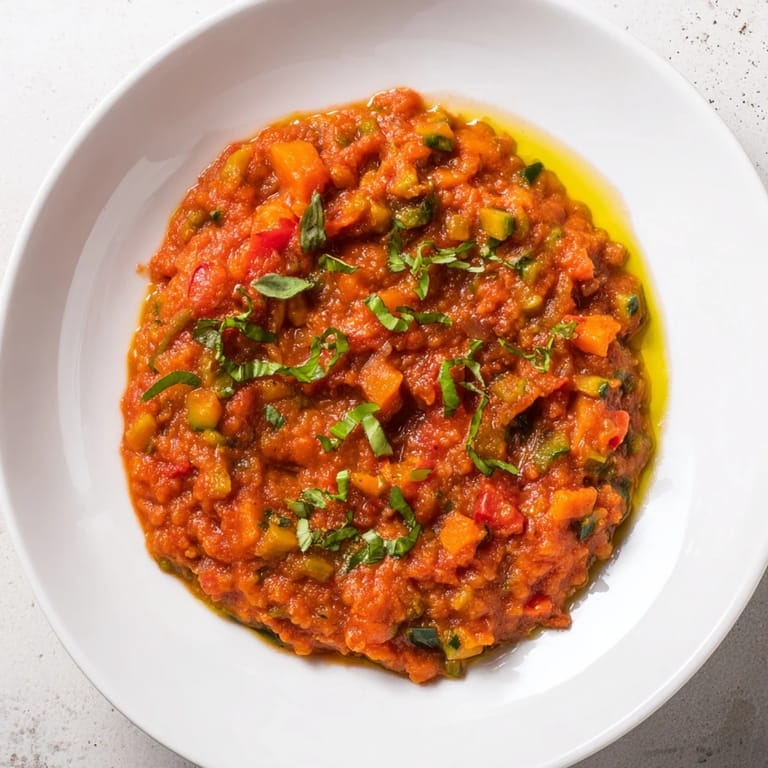
 This sauce has become my go-to gift for new parents and sick friends—something about that vibrant red color and knowing it's full of vegetables makes people feel cared for. Last month I dropped off three jars to a neighbor who'd just had knee surgery, and she texted two days later asking for the recipe because her vegetable-averse husband had eaten it three nights in a row.
Freezing Like a Pro
Let the sauce cool completely before freezing—hot food can raise the temperature of your freezer and affect everything else inside. Portion into freezer-safe bags or containers, leaving about an inch of space at the top since liquids expand when frozen. Label with the date and frozen, it keeps perfectly for three months. To thaw, just move a container to the refrigerator the night before you need it, or reheat frozen sauce directly in a saucepan over low heat, stirring occasionally and adding a splash of water if it looks too thick.
Making It Your Way
The beauty of this sauce is how adaptable it is—once you have the basic method down, you can customize it based on what you have on hand or what your family prefers. Sometimes I add a handful of spinach or broccoli florets during the initial vegetable sauté, especially during cold and flu season when we all need the extra immune support. The green vegetables blend right in and nobody's the wiser. For a protein boost, stir in cooked lentils or white beans after blending—the legumes add creaminess and make the sauce substantial enough to stand alone as a light soup with some crusty bread. If your family likes heat, increase the red pepper flakes to a full teaspoon or add a minced fresh chili along with the garlic. And don't be afraid to experiment with different dried herbs—thyme, rosemary, or even a pinch of fennel seeds can completely transform the character of the sauce while keeping the vegetable base intact.
Serving Ideas Beyond Pasta
This sauce is surprisingly versatile and has saved dinner on more than one occasion when pasta wasn't going to cut it. Spoon it over baked chicken or fish during the last 10 minutes of cooking for an instant Italian-inspired meal, or use it as a base for shakshuka by cracking eggs directly into the simmering sauce and covering until the whites are set. It makes an incredible pizza sauce—just reduce the simmering time by 10 minutes so it's thick enough to spread without making the crust soggy. My kids love it as a dipping sauce for mozzarella sticks or even roasted potatoes, and I've been known to eat it straight from the jar with a spoon when I need a quick vegetable boost.
- Double the batch and freeze half—this scales beautifully and you'll thank yourself later
- A splash of cream or a dollop of ricotta stirred in at the end makes it feel incredibly indulgent
- If the sauce tastes too acidic, try adding a grated carrot instead of sugar—it balances naturally without making it taste sweet
 Save to Pinterest
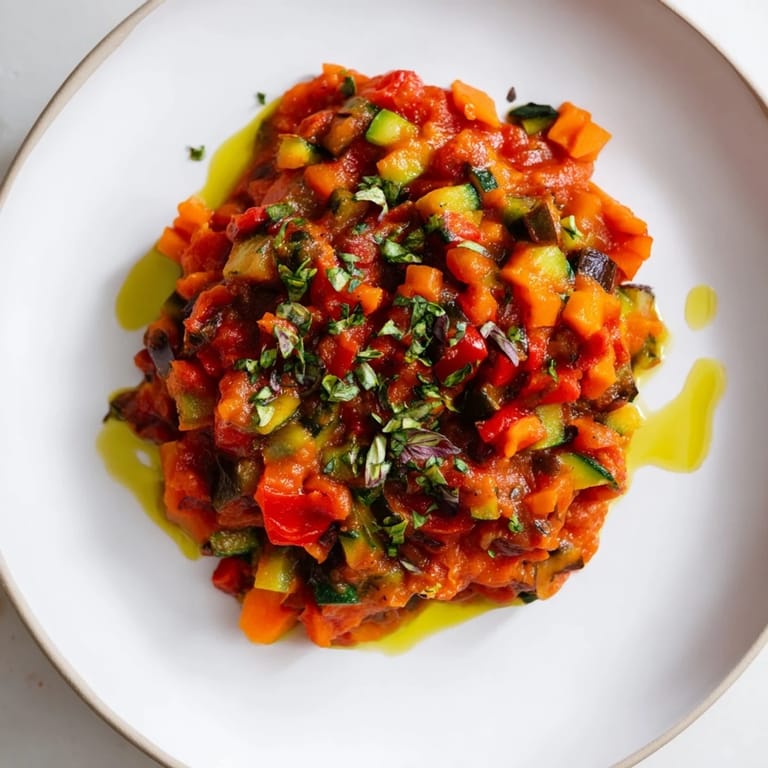
 There's something deeply satisfying about watching a pot of chopped vegetables transform into a sauce that looks like it came from a high-end jar. But the real joy is in how effortlessly it lets you feed people well, whether they're picky toddlers, tired partners, or friends who just need someone to put dinner on the table for them.
Recipe FAQs
- → How do I achieve a smooth sauce texture?
Simmer the vegetables thoroughly until soft, then use an immersion blender or countertop blender to purée the mixture until completely smooth before a final gentle simmer.
- → Can I adjust the sauce's acidity?
A small amount of sugar balances the natural acidity of the tomatoes. Adjust this based on your taste preference during cooking.
- → Which vegetables contribute most to the sauce’s flavor?
Carrot, bell pepper, and celery add sweetness and depth, while onion and garlic impart aromatic undertones that enrich the tomato base.
- → Is this sauce suitable for special diets?
Yes, the blend is vegetarian, vegan, and free from nuts and common allergens as prepared, making it broadly accessible.
- → How can I add more texture or protein to the sauce?
Stir cooked lentils or white beans into the sauce after blending to introduce heartiness while maintaining smoothness.
- → What are some serving suggestions?
Serve hot over your favorite pasta, and garnish with fresh basil for a burst of herbal freshness.