 Save to Pinterest
 There's something about a bright green soup that feels like you're eating springtime itself. One Tuesday morning, I was standing in my kitchen feeling sluggish after a week of heavier meals, and I found myself reaching for every green thing in my vegetable drawer without much of a plan. The zucchini, the broccoli, that bunch of mint I'd almost forgotten about—they all went into the pot, and what emerged was this silky, herbaceous soup that tasted like clarity in a bowl. It became my go-to reset meal, the kind you make when you want to feel nourished rather than stuffed.
My sister came over on a rainy Saturday, and I'd made this soup the night before. She was skeptical about anything labeled "detox," but one spoonful changed her mind—she actually asked for seconds and wanted to know my secret. I told her there was no trick, just vegetables treated with respect and finished with enough lemon to make them sing. She's made it three times since then.
Ingredients
- Fresh zucchini: Choose ones that are firm and bright green; they'll become silky when blended and add body without heaviness.
- Green peas: Frozen ones are actually perfect here and sometimes fresher than fresh, since they're picked and frozen at their peak.
- Broccoli florets: They bring a subtle earthiness and help create that gorgeous green color when everything comes together.
- Baby spinach: It wilts in seconds, so add it at the very end to preserve its bright, mineral flavor.
- Leek: Use the white and light green parts only—they're milder than onions and add a sophisticated sweetness.
- Celery stalk: One stalk is enough; it provides backbone without overpowering the delicate vegetables.
- Small potato: This is your secret weapon for creaminess—it allows you to skip heavy cream entirely.
- Garlic cloves: Two cloves keeps things subtle; you want the garlic to whisper, not shout.
- Extra virgin olive oil: Use a good one you'd actually taste; it finishes the soup and makes it feel luxurious.
- Low-sodium vegetable broth: Low-sodium matters because you control the seasoning, and the vegetables' natural flavors shine through.
- Sea salt and black pepper: These are your baseline; you'll adjust them at the very end when you can actually taste everything.
- Ground cumin: Just a pinch, but it adds warmth and an almost imperceptible earthy depth.
- Lemon zest and juice: The zest is what transforms this from pleasant to memorable—don't skip it.
- Fresh parsley and mint: Parsley is essential; mint is optional but worth seeking out.
Tired of Takeout? 🥡
Get 10 meals you can make faster than delivery arrives. Seriously.
One email. No spam. Unsubscribe anytime.
Instructions
- Wake up the aromatics:
- Heat your olive oil over medium heat and add the leek, celery, and garlic. You'll know they're ready when the kitchen smells incredible and the leek turns translucent—usually about three to four minutes. Don't let anything brown; you want them soft and fragrant, not caramelized.
- Build your vegetable base:
- Add the potato, zucchini, broccoli, and peas, stirring everything together for about two minutes. This quick cook helps the vegetables begin releasing their flavors while they're still holding their structure.
- Simmer into tenderness:
- Pour in the broth, then add salt, pepper, and cumin. Bring everything to a boil, then lower the heat, cover the pot, and let it bubble gently for twelve to fifteen minutes until every vegetable is soft enough to mash with a spoon.
- Add the final green:
- Toss in the spinach and let it wilt for about two minutes—it will shrink dramatically but pack in nutrition and that true green color. Don't skip this step; spinach at the end tastes fresher than spinach cooked from the beginning.
- Blend to silkiness:
- If you have an immersion blender, this is its moment to shine—blend right in the pot until everything is smooth and creamy. If using a regular blender, work in batches and be careful with hot liquid; let the steam escape before closing the lid.
- Finish with brightness:
- Remove from heat and stir in the lemon zest, lemon juice, parsley, and mint if you're using it. This is your tasting moment—does it need a bit more salt, more lemon, a whisper more pepper? Trust your palate.
- Serve with intention:
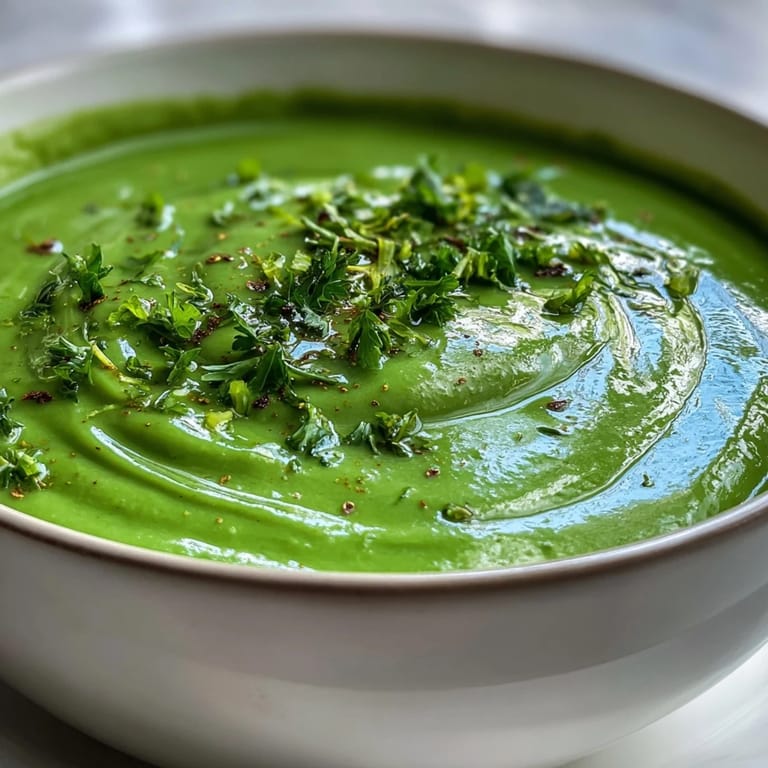
- Ladle into bowls while the soup is still hot, and if you want to feel fancy, drizzle with a little olive oil and scatter extra herbs on top.
 Save to Pinterest
 There was an afternoon when I made this soup for my neighbor who'd just come home from the hospital. She'd been through something rough, and I wasn't sure what to bring, but somehow this felt right—nourishing without being heavy, flavorful without demanding energy to eat. She told me later that it was the first thing that didn't taste like recovery; it just tasted like care.
Why This Soup Works Year-Round
Summer zucchini are tender and sweet, which makes this soup taste almost light and garden-fresh. Winter versions using frozen peas and whatever sturdy greens you find in the market taste earthy and grounding. Spring brings fresh peas and young leeks that taste delicate, while fall is the time to play with adding a single sage leaf or a touch more cumin for warmth. The bones of this recipe stay the same, but the personality shifts with the seasons.
The Texture Game
Some people like their soup entirely smooth, while others prefer it with a bit of texture—a few soft vegetable chunks left behind. If you want something less uniform, blend just three-quarters of it and leave the rest chunky, folding it back in at the end. If you want something creamier without cream, blend the potato extra thoroughly before blending the greens; potatoes are naturally starchy and create a silky base. The beauty of making this yourself is that you get to decide the exact consistency.
The Beautiful Details
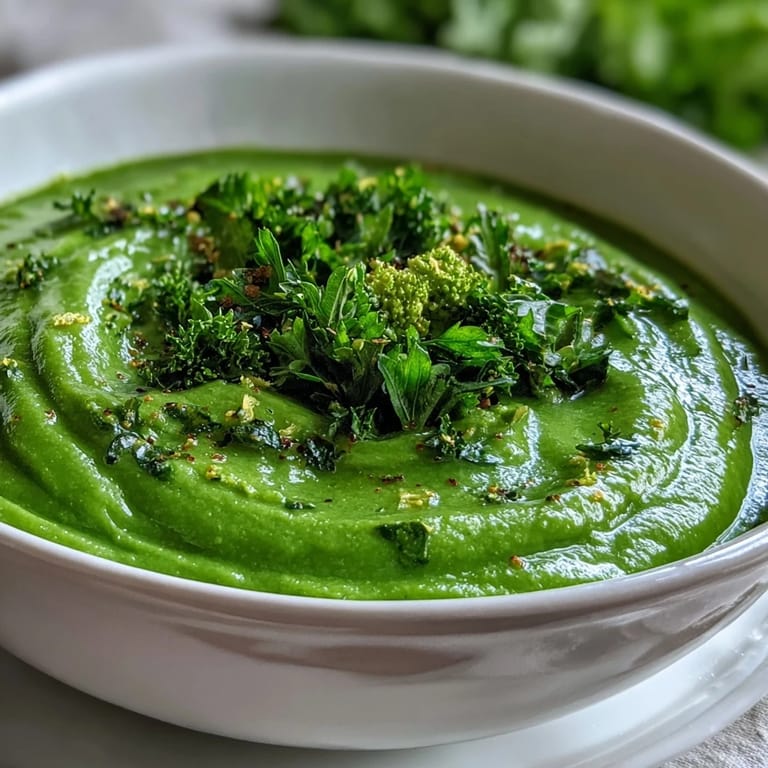
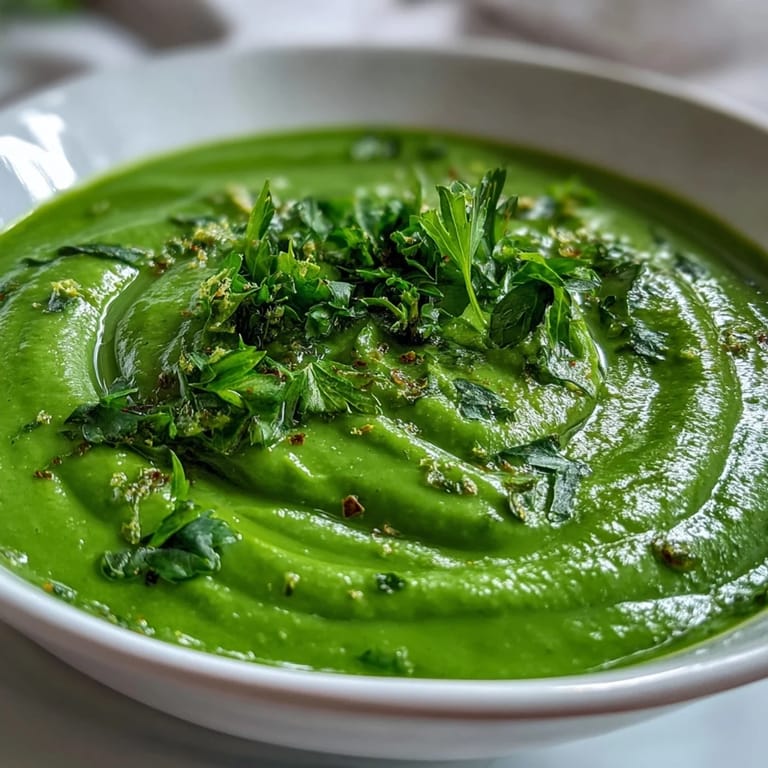
This soup is simple enough that the small touches matter. A proper squeeze of lemon at the table changes everything—some people like more brightness than others, so set the lemon wedge beside their bowl. A tiny drizzle of your best olive oil catches the light and adds richness that cream can't match. Even the herb garnish isn't just decoration; fresh parsley leaves on top remind you that this is vegetable-forward in the best way. These details are what separate a weeknight meal from something you actually want to make again and again.
- Toasted pumpkin seeds add a subtle crunch and earthiness that plays beautifully with the soft soup.
- A tiny spoonful of unsweetened coconut milk stirred in at the end adds creaminess without any dairy undertone.
- Serve alongside something simple like good bread or with a fresh green salad to turn it into a full meal.
 Save to Pinterest
 This is the soup I've made more times than any other, and it's never once let me down. It's proof that the simplest cooking—vegetables, heat, and intention—is sometimes exactly what you need.