 Save to Pinterest
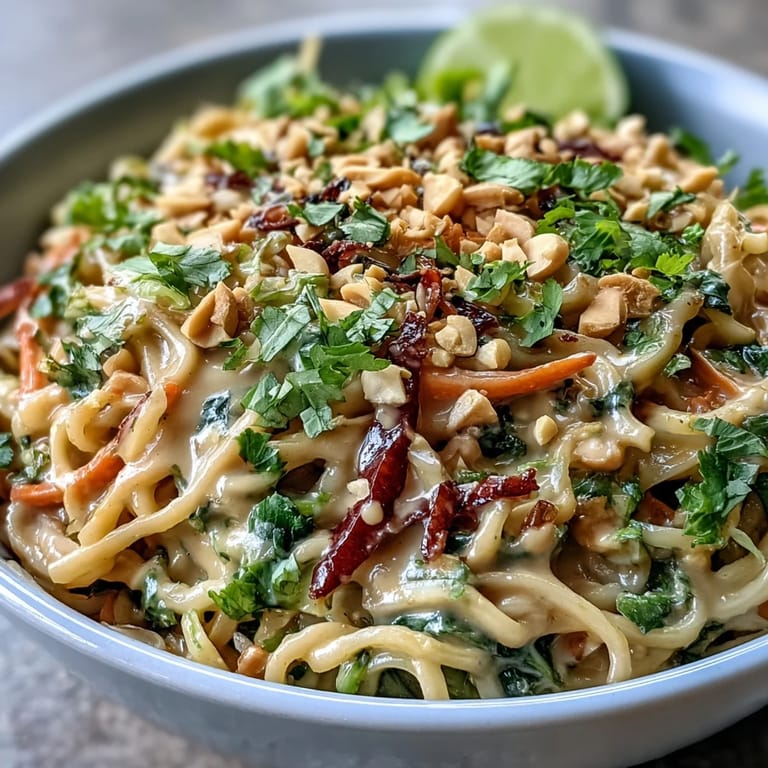
 My neighbor handed me a takeout container of noodles one afternoon, steam still rising from the lid, and said, "Try this—I made it at home." I was skeptical until that first bite: silky noodles clinging to crisp vegetables, a peanut sauce that tasted like it had been simmering in someone's kitchen for hours but hadn't. That's when I realized the magic wasn't in complexity—it was in balance. Now, whenever I need something that feels both indulgent and light, this bowl appears on my counter.
I made this for my sister during a busy weeknight when she'd had a rough day, and watching her face light up as she twirled those noodles—sauce coating everything evenly—reminded me why cooking for people matters. She asked for the recipe immediately, and now it's become her go-to move when friends drop by unexpectedly.
Ingredients
- Rice noodles or wheat noodles (300 g): Rice noodles are lighter and slightly delicate, while wheat noodles hold their chew better—pick based on your mood, and always rinse them cold after cooking so they don't clump together.
- Carrot (1 medium, julienned): Julienne cuts aren't just for show; thin ribbons actually catch the dressing better and add a sweet, crisp counterpoint to the richness.
- Red bell pepper (1 small, thinly sliced): Red peppers bring natural sweetness and a slight crunch that makes every bite feel fresh and alive.
- Red cabbage (1 cup shredded): Don't skip the red variety—it stays crisp longer than green, which matters if you're prepping ahead, and it looks stunning.
- Scallions (2, thinly sliced): Save some of the green parts for sprinkling on top; they add a bright, oniony note right at the end.
- Fresh cilantro (1/2 cup leaves): If cilantro tastes soapy to you, use parsley instead—no judgment, and it's equally delicious.
- Bean sprouts (1/2 cup): These tiny green strands add texture and a subtle earthiness that balances the sweetness of the peanut dressing perfectly.
- Creamy peanut butter (1/3 cup): Use natural peanut butter if you prefer, but stir it well first since the oil sometimes separates.
- Soy sauce (2 tbsp): Use tamari if you're avoiding gluten, and don't be tempted to add more—saltiness builds quickly.
- Sesame oil (1 tbsp): A little goes a long way with this ingredient; its toasty aroma is half the appeal.
- Rice vinegar (1 tbsp): The acidity cuts through the richness of the peanut butter, so don't leave it out.
- Honey or maple syrup (1 tbsp): This tiny bit of sweetness rounds out the flavors; maple syrup makes the whole bowl vegan-friendly.
- Fresh ginger (1 tsp, grated): Use a microplane grater if you have one—it releases more of that warm, spicy essence than a box grater.
- Garlic clove (1 small, minced): Fresh garlic matters here; powdered garlic will leave a grainy texture in your dressing.
- Warm water (2–4 tbsp): Add it slowly while whisking, tasting as you go—the dressing should be pourable but not thin.
- Roasted peanuts (2 tbsp, chopped): These add crunch at the very end, so don't chop them too fine or they'll disappear into the noodles.
- Toasted sesame seeds (1 tsp): If you can find them already toasted, buy them; toasting sesame seeds yourself is a job best left to someone with better attention to detail than I possess.
- Lime wedges: Squeeze these over just before eating—the acidity brightens everything.
Tired of Takeout? 🥡
Get 10 meals you can make faster than delivery arrives. Seriously.
One email. No spam. Unsubscribe anytime.
Instructions
- Cook the noodles:
- Bring a pot of salted water to a rolling boil and cook your noodles exactly according to the package instructions—set a timer so you don't forget. Once tender, drain them into a colander, run cold water over them (your hands will thank you, and the noodles will stay separate), then set aside to let any excess water drip off.
- Make the dressing:
- In a medium bowl, start whisking together the peanut butter, soy sauce, sesame oil, rice vinegar, honey, ginger, and garlic until it looks like thick, glossy paste. Slowly add warm water while whisking, a tablespoon at a time, until the dressing flows like a loose sauce—it should coat the back of a spoon but still move freely.
- Assemble your vegetables:
- While the noodles cool, get your carrot julienned, pepper sliced, cabbage shredded, scallions chopped, cilantro picked, and bean sprouts ready in separate piles. Yes, this is a lot of prep, but doing it now means the bowl comes together in seconds, and you'll appreciate the organization once you're tossing.
- Toss everything together:
- In a large bowl, combine the cooled noodles, carrot, bell pepper, cabbage, most of the scallions, cilantro, and bean sprouts, then pour the peanut dressing over top. Use two forks or tongs to lift and turn the mixture gently but thoroughly, making sure every strand of noodle gets coated—this takes about a minute of actual tossing, and it's meditative.
- Plate and garnish:
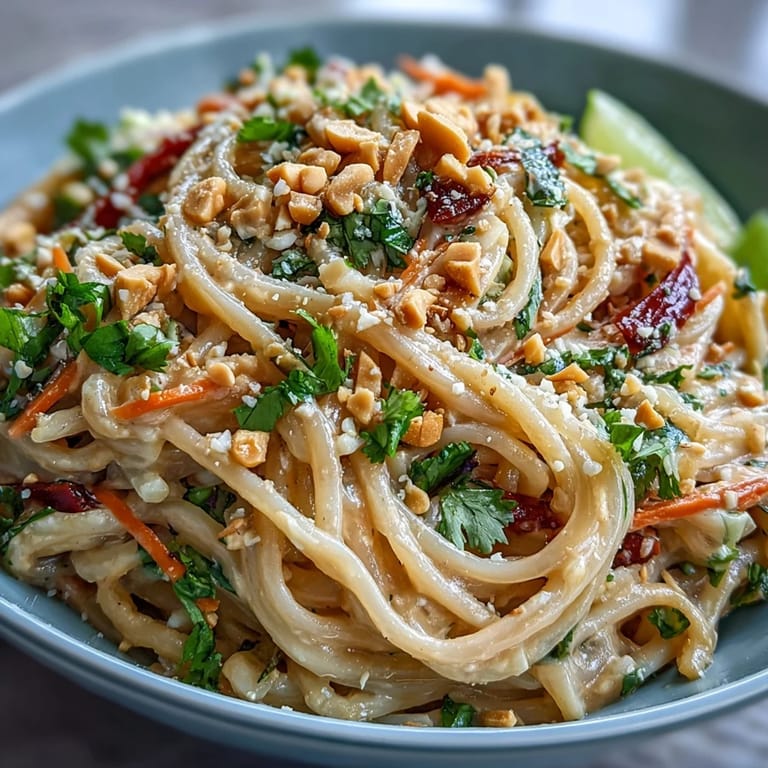
- Divide the noodle bowl among serving bowls or plates, then crown each one with a scatter of chopped peanuts, a pinch of sesame seeds, some of that reserved scallion green, and maybe a cilantro leaf or two. Serve lime wedges on the side so people can add brightness to taste.
 Save to Pinterest
 There's something about a bowl like this that transforms an ordinary Tuesday into something worth remembering. It's the kind of meal that makes you slow down, taste each component, and feel like you're doing something good for yourself without any effort.
The Beauty of Cold Noodles
Cold noodle bowls are deceptive in their simplicity—they're actually one of the best ways to teach yourself about balance in cooking. Because nothing's hot to mask behind, every ingredient has to pull its weight. The sweetness of the peanut butter needs acid from the vinegar and lime, the depth of sesame oil needs the brightness of cilantro, and the crunch of vegetables needs the soft give of noodles. Once you understand how these elements work together in a cold bowl, you start seeing it everywhere in cooking.
Make It Your Own
This recipe is less a rulebook and more a starting point. I've added crispy tofu cubes on nights when I want protein, grilled chicken when I'm feeling heartier, and even soft-boiled eggs when the mood strikes. The dressing is flexible too—a splash of lime juice instead of rice vinegar, a bit of sriracha for heat, or even a spoonful of almond butter if peanuts aren't on hand. What matters is that the core flavors stay balanced: creamy, tangy, sweet, and savory all holding hands.
Storage and Serving
This bowl is genuinely good cold straight from the fridge the next day, though the vegetables will soften slightly and the noodles will absorb more of the dressing—which honestly, some people prefer. You can also gently warm it in a microwave if you're craving something warmer; the dressing will thin slightly but stay smooth. If you're meal prepping, store the components separately and dress it right before eating for the crispest, freshest result.
- Pack extra lime wedges in a separate container so they don't turn the whole bowl sour overnight.
- Make the dressing ahead and refrigerate it in a jar—it keeps for up to five days and saves you ten minutes on busy mornings.
- Prep your vegetables the night before and keep them in separate containers so nothing wilts together.
 Save to Pinterest
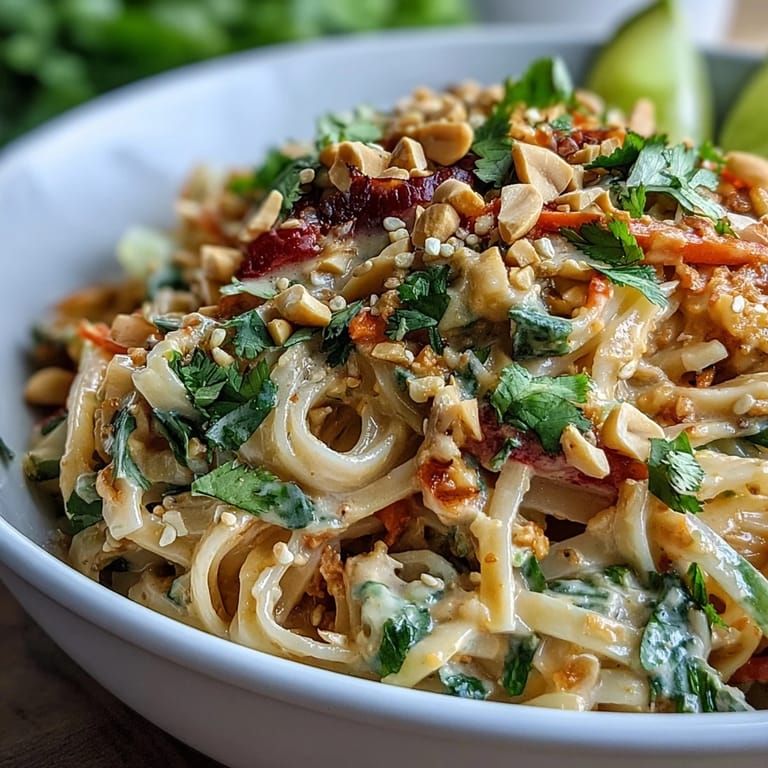
 This bowl has become my answer to "what should I make?" when I want something that feels indulgent but isn't fussy. It's the kind of dish that reminds me why I love cooking at home.
Recipe FAQs
- → Can I make this peanut noodle bowl gluten-free?
Yes, use rice noodles instead of wheat noodles and replace regular soy sauce with tamari. The peanut butter dressing naturally contains no gluten, making this an easy gluten-free option with simple substitutions.
- → How long does the peanut dressing last in the refrigerator?
The homemade peanut dressing will stay fresh for up to one week when stored in an airtight container in the refrigerator. You may need to whisk in a small amount of warm water before using it again, as it tends to thicken when chilled.
- → What protein additions work well with this dish?
Grilled tofu, pan-seared chicken strips, or sautéed shrimp complement the peanut flavors beautifully. You can also add edamame, chickpeas, or sliced hard-boiled eggs for vegetarian protein options that maintain the Asian-inspired profile.
- → Can I prepare the vegetables ahead of time?
Absolutely! The julienned carrots, sliced bell pepper, and shredded cabbage can be prepped up to two days in advance and stored in separate containers. Keep the cilantro and bean sprouts separate and add them just before serving to maintain their crisp texture.
- → How do I adjust the dressing consistency?
The dressing thickness is easily controlled with warm water. Start with two tablespoons and add more one tablespoon at a time until reaching your preferred pourable consistency. Remember that the dressing will thicken slightly as it cools.