 Save to Pinterest
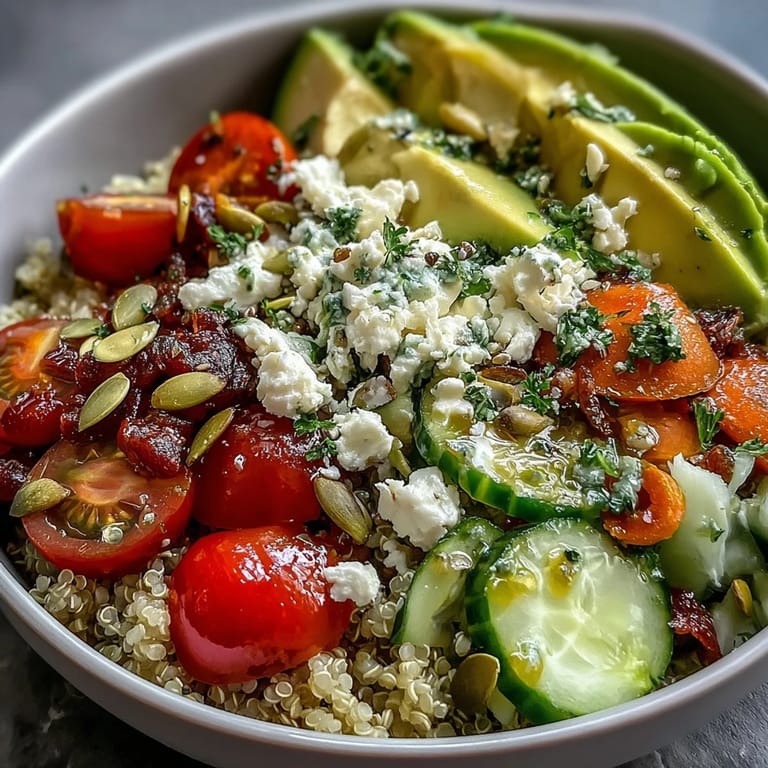
 There's something deeply satisfying about building a bowl from scratch, watching it come together piece by piece until it becomes exactly what you need that day. One Tuesday afternoon, I stood in my kitchen with half a cup of leftover quinoa, a handful of cherry tomatoes, and no real plan, and somehow that random assembly turned into one of my favorite lunches. It taught me that the best meals aren't always the most complicated ones, just the ones that speak to what your body is actually craving in that moment.
I made these bowls for my sister when she was going through a phase of trying to eat healthier, and watching her eyes light up when she realized she could customize every element was the moment I knew this recipe was a keeper. She added a fried egg on top of hers without asking, and I loved that she made it completely her own.
Ingredients
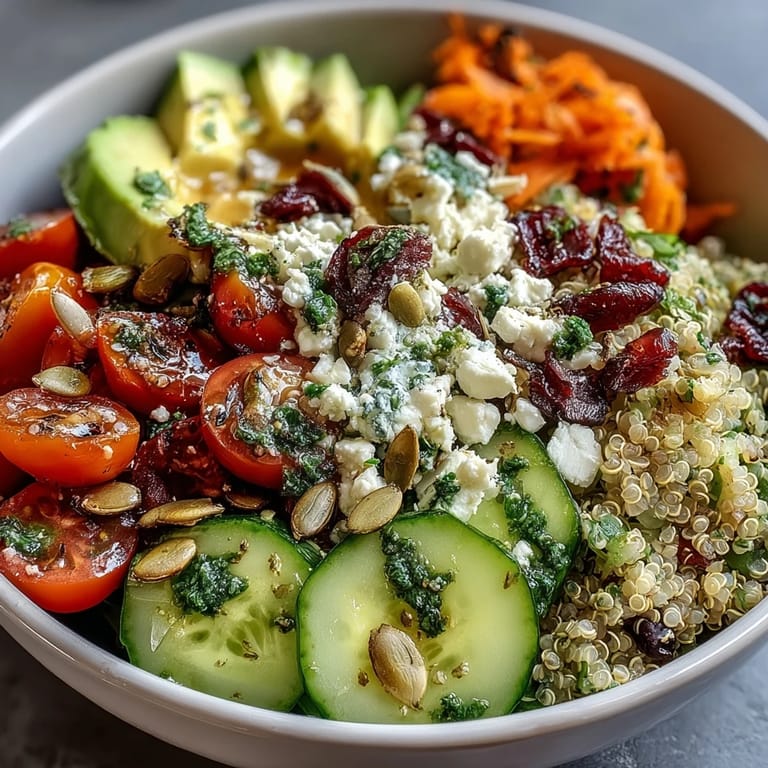
- Brown rice, quinoa, or farro: Pick whichever speaks to you that day, though I find quinoa cooks fastest when I'm in a hurry and farro has this satisfying chew that keeps you coming back for another bite.
- Chickpeas, chicken, tofu, or shrimp: This is your protein anchor, so choose what makes you actually excited to eat, not what you think you should eat.
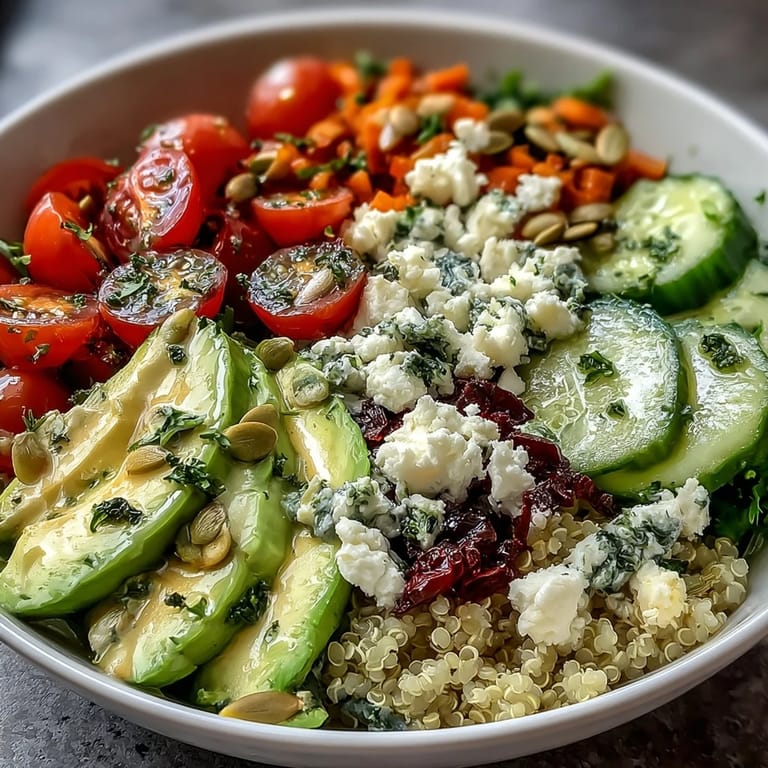
- Cherry tomatoes: Halve them so they release their juices into the bowl and don't just sit there like little decorations.
- Cucumber: Dice it fairly small so it distributes throughout rather than hiding in corners, and use it the day you make your bowl or it gets watery and sad.
- Shredded carrots: They add natural sweetness and stay crisp longer than you'd expect if you keep them covered.
- Avocado: Slice this right before serving or it'll brown and lose that creamy appeal we're all chasing here.
- Red onion: Thinly sliced red onion brings a sharp brightness that cuts through everything else, though if you're sensitive to raw onion, give it a quick soak in cold water first.
- Feta cheese: Optional but honestly the little salty bursts make the whole thing feel more intentional, and it keeps for ages in your fridge.
- Toasted pumpkin seeds: These add texture and a nuttiness that feels unexpected, plus they're somehow more satisfying than raw.
- Fresh herbs: Whatever you have on hand works, though the fresher the better since they're what makes each bowl feel alive.
- Olive oil, lemon juice, apple cider vinegar, Dijon mustard, garlic: This dressing is simple enough to memorize and adaptable enough to change based on your mood, and that balance is everything.
Tired of Takeout? 🥡
Get 10 meals you can make faster than delivery arrives. Seriously.
One email. No spam. Unsubscribe anytime.
Instructions
- Cook your grain base:
- Follow the package instructions, but here's the trick I learned the hard way, let it cool just slightly so it doesn't wilt your vegetables when you add them. I usually cook it ahead and keep it in the fridge.
- Prepare your protein:
- Whether you're grilling, pan-searing, or opening a can, give yourself permission to use shortcuts here because this step isn't where the magic happens. The magic is in the assembly and the freshness of everything else.
- Make the dressing:
- Whisk your olive oil, lemon juice, vinegar, mustard, and minced garlic together until it tastes balanced and bright. Taste it before you pour it on your bowl because this is your chance to adjust the seasoning to exactly what you want.
- Build your bowl:
- Start with the grain as your base, then arrange everything else so you can see the colors and textures, because a bowl that looks good usually tastes better too. Leave a little room in the center for the dressing to pool.
- Dress and serve:
- Pour the dressing over just before eating or the greens will get sad and soggy. If you're meal prepping, keep the dressing separate and add it when you're ready to eat.
 Save to Pinterest
 One of my favorite memories with this bowl is when my neighbor asked what I was eating because apparently it smelled incredible just from her side of the fence. We ended up making bowls together one weekend afternoon, and she discovered she actually loves farro when it's paired with fresh herbs and lemon, something she'd never bothered to try before.
Why Customization Matters
The beauty of a grain bowl is that it works with whatever season you're in and whatever your body needs that particular week. Winter mornings I add roasted root vegetables and a warmer dressing, while summer afternoons I go heavy on the fresh vegetables and herbs and skip the cheese entirely sometimes.
The Dressing is Everything
I spent years making mediocre grain bowls until I realized the dressing was doing almost no work and I was just eating separated ingredients. The moment I started actually caring about the dressing and letting the mustard emulsify the oil properly, everything changed and suddenly the whole bowl tasted intentional instead of scattered.
Make It Your Own
This isn't a recipe you need to follow exactly because that would kind of defeat the purpose of why we make grain bowls in the first place. The formula is solid but the fun is in making it yours, whether that means swapping in seasonal vegetables, using a different dressing entirely, or adding that fried egg because why not.
- Toast your pumpkin seeds in a dry pan for a minute or two before adding them so they taste even more nutty and intentional.
- Keep your cooked grain in the fridge for up to five days so you can throw a bowl together whenever the craving hits.
- Double the dressing recipe because you'll want extra on your bowl and probably some left over for the next day.
 Save to Pinterest
 These bowls have become my quiet victory in the kitchen, the thing I make when I want to feel nourished without overthinking it. There's something honest about a bowl that lets every ingredient be itself while still coming together as something whole and satisfying.
Recipe FAQs
- → Which grain works best for meal prep?
Brown rice and quinoa hold up beautifully for meal prep, maintaining texture after refrigeration. Farro works well too but contains gluten. All grains can be cooked in bulk and stored for up to five days.
- → Can I make this bowl gluten-free?
Absolutely. Choose rice or quinoa as your base and avoid farro. All other ingredients including proteins, vegetables, and the simple olive oil dressing are naturally gluten-free.
- → What protein options work for vegetarians?
Chickpeas provide excellent plant-based protein and fiber. Firm tofu, pan-seared until golden, adds satisfying texture. You can also combine both for extra protein, or add a poached or fried egg on top.
- → How do I keep the bowl fresh for lunch?
Store the grain, protein, and vegetables in separate containers. Keep the dressing in a small jar. Assemble everything just before eating to maintain crisp textures and prevent sogginess.
- → Can I customize the vegetables?
Definitely. Swap in whatever seasonal vegetables you enjoy—roasted sweet potatoes, shredded cabbage, bell peppers, spinach, or roasted broccoli all work beautifully. The beauty of grain bowls is their versatility.
- → How long does the dressing last?
The lemon-mustard dressing keeps refrigerated in a sealed jar for up to one week. The olive oil may solidify when cold—simply let it sit at room temperature for a few minutes and shake well before using.