 Save to Pinterest
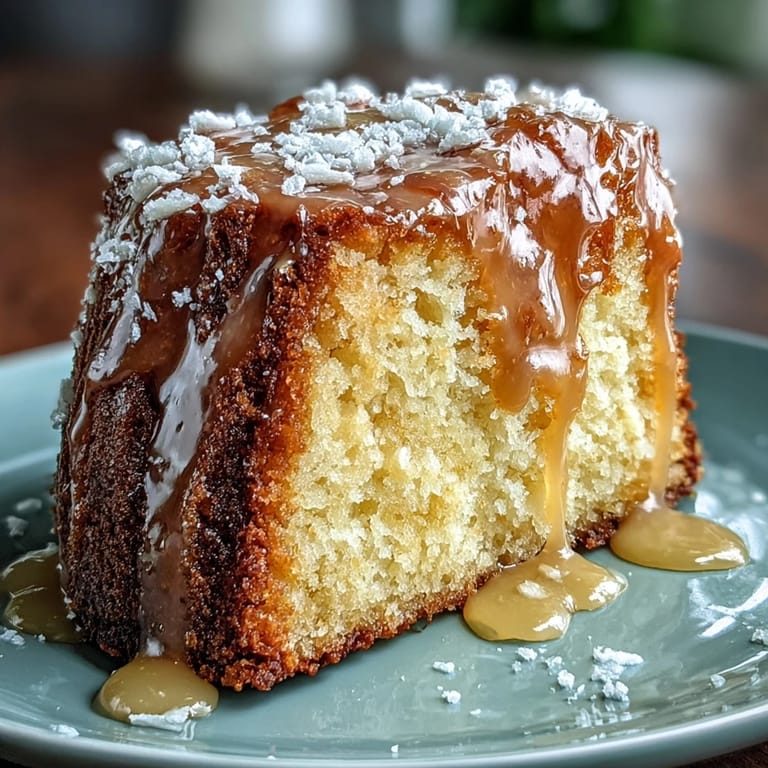
 My neighbor Maria brought over a bottle of homemade Limoncello one autumn, and I spent the entire winter wondering what to do with it besides sip it straight. One particularly gray afternoon, I decided to bake something that would capture that bright, boozy citrus essence in cake form. The result was this Limoncello Pound Cake, and it completely changed how I think about using spirits in desserts. Now whenever spring rolls around, someone always asks me to make it.
I brought this to a small dinner party last spring, and my friend Sarah stood in the kitchen just eating slices straight from the cake with a fork, too impatient to plate it properly. She kept saying things like "How did you even think to do this?" between bites. That's when I knew I'd found something special, something worth making again and again.
Ingredients
- All-purpose flour (2 ½ cups): The foundation of everything, and sifting it helps keep the crumb tender instead of dense.
- Baking powder (2 tsp): Don't skip this or the cake will be too heavy; it's what gives you that light, springy texture.
- Salt (½ tsp): A tiny amount that makes all the lemon flavors pop without tasting salty at all.
- Unsalted butter (1 cup), softened: Room temperature is non-negotiable here; cold butter won't cream properly and you'll end up with a dense cake.
- Granulated sugar (2 cups): The sweetness needs to balance the tartness, so don't reduce it thinking you're being clever.
- Large eggs (4), room temperature: Cold eggs won't incorporate smoothly and will create lumps; let them sit out while you prep everything else.
- Lemon zest (1 tbsp): Use a microplane and zest over a bowl to catch all those fragrant oils; pre-zested is never the same.
- Fresh lemon juice (¼ cup): Fresh-squeezed only, never bottled, or the cake tastes faintly chemical instead of bright.
- Limoncello liqueur (⅓ cup): This is what makes the cake special, so use a good quality one that you'd actually drink.
- Pure vanilla extract (1 tsp): The unsung helper that deepens and rounds out all the lemon notes.
- Whole milk (½ cup), room temperature: This keeps everything tender; cold milk can shock the warm batter and create a grainy texture.
- Powdered sugar (1 ½ cups), sifted: Sifting prevents lumps in the glaze, which sounds fussy but makes a real difference.
- Fresh lemon juice for glaze (2–3 tbsp): Adjust based on how thick you like your glaze; thinner is better because it'll settle into a beautiful shine.
- Limoncello liqueur for glaze (1 tbsp, optional): A little extra splash keeps the flavor cohesive and elegant.
- Lemon zest for garnish (1 tsp): A final flourish that reminds everyone what they're about to taste.
Tired of Takeout? 🥡
Get 10 meals you can make faster than delivery arrives. Seriously.
One email. No spam. Unsubscribe anytime.
Instructions
- Get your oven ready and prepare the pan:
- Preheat to 350°F and grease your Bundt or loaf pan thoroughly, making sure to get into all the crevices; flour it lightly so the cake releases cleanly. Having everything ready before you start mixing is the difference between a smooth bake and a panicked scramble.
- Combine your dry ingredients:
- Whisk together the flour, baking powder, and salt in a medium bowl, then set it aside. This step prevents lumps from forming later and ensures even leavening throughout.
- Cream the butter and sugar until light:
- Using an electric mixer, beat the softened butter and sugar for 3 to 4 minutes until the mixture is pale and fluffy, almost like thick frosting. You'll notice it stops looking greasy and starts looking airy, which means you've got enough air incorporated for a tender crumb.
- Add your eggs one at a time:
- Beat each egg in completely before adding the next one, which takes about 30 seconds per egg. This gradual incorporation ensures the batter stays emulsified and smooth instead of looking curdled.
- Mix in all your flavorful liquids:
- Add the lemon zest, lemon juice, Limoncello, and vanilla extract to the butter mixture and beat until everything is combined. The batter might look slightly separated at this point, which is completely normal.
- Alternate the dry and wet ingredients:
- Starting with the flour mixture, add about a third of it and mix on low speed until just combined, then add about half the milk, then another third of the flour, then the remaining milk, and finally the last of the flour. Ending with flour is the key to a tender crumb; overmixing at this stage creates gluten development and a tough cake.
- Pour and smooth:
- Transfer the batter into your prepared pan and use a spatula to smooth the top gently. You want an even surface so it bakes uniformly.
- Bake until golden and set:
- Bake for 50 to 55 minutes, or until a toothpick inserted in the center comes out clean or with just a few moist crumbs clinging to it. The top should be golden brown and the kitchen should smell absolutely intoxicating.
- Cool with patience:
- Let the cake rest in the pan for 15 minutes before inverting it onto a wire rack to cool completely. This resting period lets the structure set just enough so it won't crack or fall apart.
- Make the glaze:
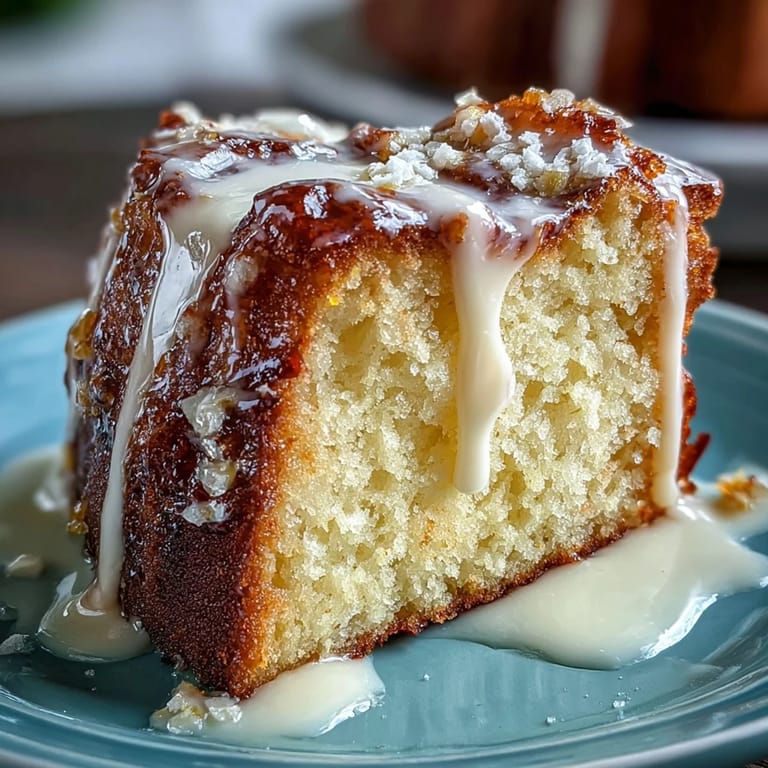
- Whisk together the sifted powdered sugar, fresh lemon juice, Limoncello if you're using it, and lemon zest until you have a smooth, pourable consistency. It should drip slowly from a spoon, not run like water or sit stiffly.
- Glaze and finish:
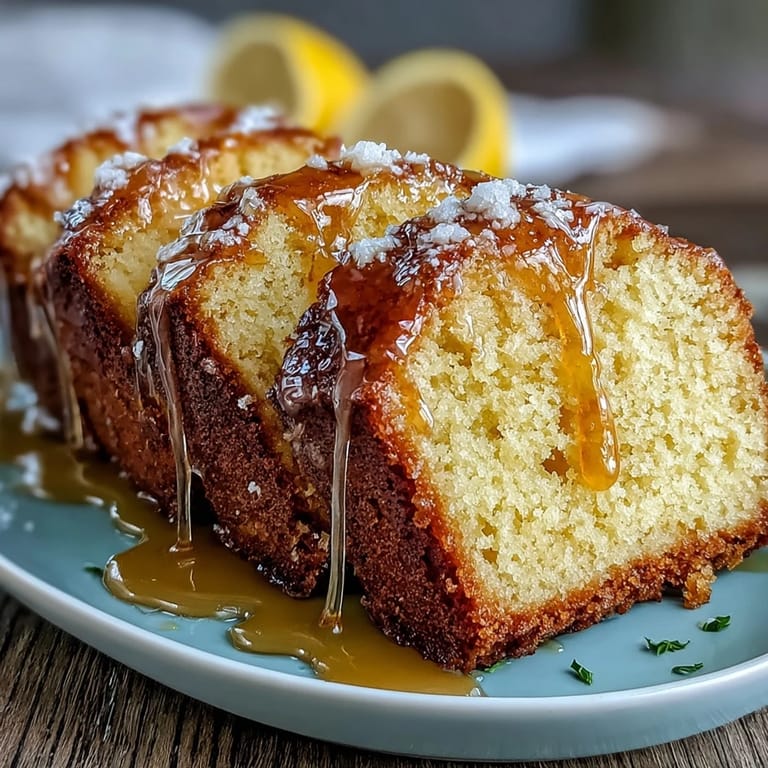
- Drizzle the glaze generously over the cooled cake and let it set for at least 30 minutes before slicing. The glaze will harden slightly and create a beautiful glossy finish.
 Save to Pinterest
 My mother-in-law requested this cake for her book club, which meant I had to make two because apparently word spread that I'd finally unlocked the secret to a cake that was both sophisticated and genuinely delicious. I realized then that food that makes people linger and talk at the table is worth the extra effort.
Why Limoncello Works So Well in Baking
Limoncello isn't just a fun spirit to add; the alcohol in it actually evaporates during baking while leaving behind the intense lemon flavor and a moisture-enhancing quality. The sugar and alcohol combination keeps the crumb tender by preventing excess gluten development, which is why this cake stays soft for several days even without being wrapped. I learned this by accident when I forgot to cover a leftover slice and discovered three days later that it was still perfect, which felt like stumbling upon edible gold.
Variations and Swaps
If Limoncello isn't available or you want to avoid alcohol entirely, you can substitute it with additional fresh lemon juice and a tiny splash of vanilla extract, though the cake will taste fresher and less complex. Some bakers add a pinch of almond extract to heighten the citrus notes, which is subtle but worth considering. I once tried adding a teaspoon of poppy seeds to the batter as an experiment, and it added an unexpected nuttiness that I actually loved, though it's not traditional.
Serving and Storage Wisdom
This cake is absolutely lovely served plain with tea or coffee, but it also pairs beautifully with whipped cream, fresh berries, or a scoop of vanilla gelato. The flavors are bright and summery, so it belongs on a spring table more than a winter one, though honestly I've never followed that rule too strictly. Storage is simple: keep it covered at room temperature for up to four days, and it actually tastes better after a day has passed because the flavors continue to meld and deepen.
- Serve slices with fresh strawberries or raspberries for a bright contrast.
- A thin shaving of candied lemon peel on top looks elegant and tastes wonderful.
- Wrap tightly if you're storing it; the cake dries out if exposed to air, though it'll last much longer in the fridge if you need it to.
 Save to Pinterest
 This Limoncello Pound Cake has become my answer to every spring celebration, and it never disappoints. Bake this, and you'll understand why people keep asking for the recipe.
Recipe FAQs
- → Can I make this cake without alcohol?
Yes, you can replace Limoncello with additional fresh lemon juice for a non-alcoholic version without impacting the lemony flavor.
- → What is the best pan to use for baking?
A 10-cup Bundt pan or a standard loaf pan works well to ensure even baking and easy slicing after cooling.
- → How do I know when the cake is fully baked?
Insert a toothpick into the center; it should come out clean or with a few moist crumbs when the cake is done.
- → Can I add fresh berries as a garnish?
Absolutely, fresh berries complement the lemon glaze and add a vibrant touch to the presentation.
- → Is the cake suitable for vegetarians?
Yes, it contains no meat or gelatin, making it suitable for a vegetarian diet.