 Save to Pinterest
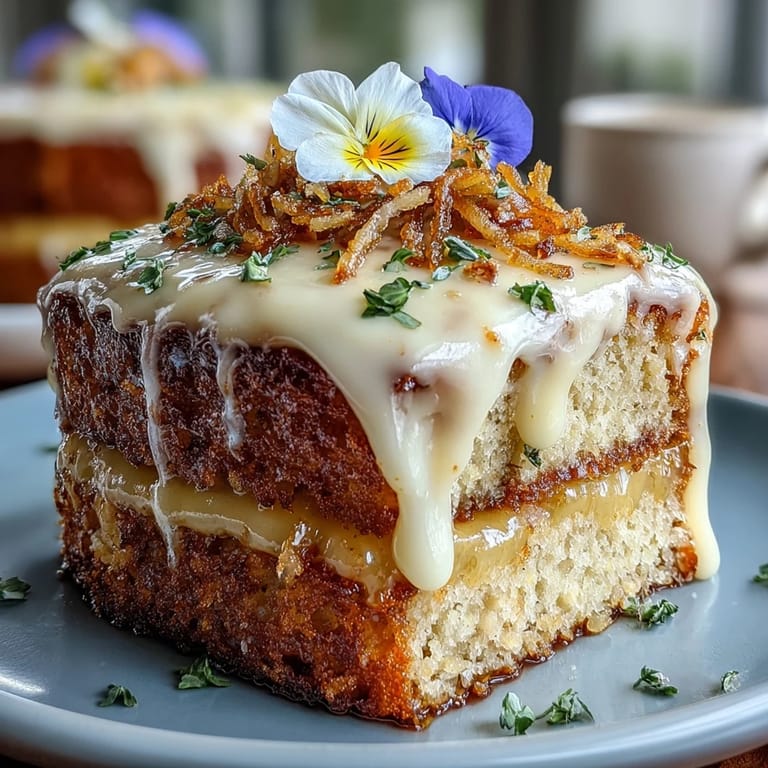
 Last spring, I found myself standing in a farmer's market with my hands full of violets and pansies, suddenly seized by the urge to build something beautiful and edible. That afternoon, I layered sponge cake with sunshine-bright lemon curd and clouds of cream, and watching my friends' faces light up when they saw it sitting there—practically glowing on the table—taught me that sometimes the simplest cakes make the biggest impressions. This naked cake became my answer to every tea party, celebration, and moment when I wanted to prove that elegance doesn't require fussy frosting or complicated techniques.
I'll never forget the first time I made this for my cousin's bridal shower on a Saturday morning in May. The kitchen smelled like butter and lemon, and as I pressed those fresh flowers into the cream, I realized that sometimes the most impressive desserts are the ones you can actually enjoy making instead of stressing over. She took one bite and immediately asked for the recipe, which felt like the highest compliment.
Ingredients
- All-purpose flour: Use fresh flour that hasn't been sitting around—old flour absorbs moisture differently and can make your cake dense instead of pillowy.
- Baking powder and baking soda: These two work together to give you that tender crumb; don't skip either one or you'll get a heavy cake.
- Unsalted butter and granulated sugar: Creaming them until light and fluffy isn't just decoration—it actually whips in air that makes the cake rise properly.
- Room temperature eggs: Cold eggs won't incorporate smoothly, and you'll end up with a grainy batter; take them out of the fridge at least 30 minutes before starting.
- Buttermilk: This is the secret to tenderness; it reacts with the baking soda to create structure without toughness.
- Lemon zest: Add it to the batter and the curd—it's what makes this cake taste like spring itself.
- Freshly squeezed lemon juice: Bottled juice tastes flat in comparison; fresh lemons give the curd that bright, almost floral quality.
- Egg yolks: For the curd, they create richness and that glossy, jammy texture that makes people close their eyes when they taste it.
- Heavy cream: Cold cream whips up faster and holds its shape better than cream that's been sitting on the counter.
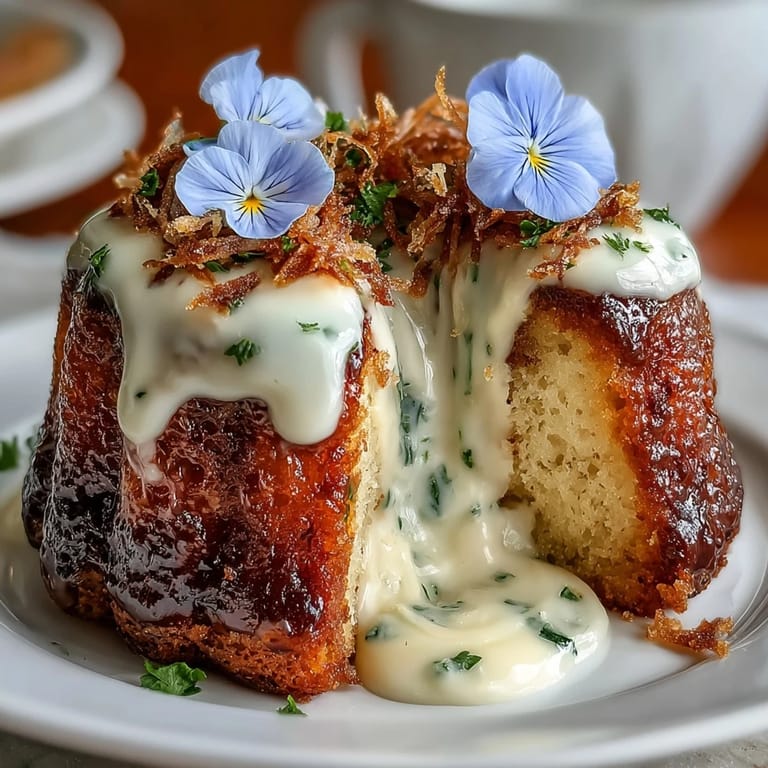
- Edible flowers: Buy them from specialty grocers or farmers' markets where you can ask if they're pesticide-free; they're the finishing touch that makes people gasp.
Tired of Takeout? 🥡
Get 10 meals you can make faster than delivery arrives. Seriously.
One email. No spam. Unsubscribe anytime.
Instructions
- Get your mise en place ready:
- Line those three cake pans and preheat the oven to 350°F—starting with everything organized means you won't be scrambling halfway through the batter.
- Mix your dry ingredients:
- Whisk flour, baking powder, baking soda, and salt together in one bowl; this distributes the leavening evenly so you don't end up with dense pockets.
- Cream butter and sugar into clouds:
- This takes about 3 minutes with an electric mixer, and you'll know you're done when the mixture looks pale, fluffy, and almost mousse-like. Stop and scrape the bowl halfway through so everything incorporates evenly.
- Add eggs one at a time:
- Beat well after each egg goes in; this prevents the batter from looking curdled and ensures smooth mixing. Add the vanilla and lemon zest, and you should already be smelling something wonderful.
- Alternate dry and wet ingredients:
- Start and end with flour, adding in three additions of dry and two of buttermilk; this technique prevents overmixing, which would make the cake tough. Mix until you just can't see flour streaks anymore, then stop—resistance is your friend here.
- Divide and bake:
- Pour batter equally into the three pans, smooth the tops with an offset spatula, and bake for 25–30 minutes until a toothpick comes out clean. The cakes will smell incredible near the end.
- Cool with patience:
- Let them rest in the pans for 10 minutes so they set slightly, then turn them out onto wire racks to cool completely. This prevents them from breaking apart during assembly.
- Make the lemon curd:
- Whisk lemon juice, zest, sugar, and egg yolks in a heatproof bowl set over simmering water, stirring constantly until it thickens enough to coat the back of a spoon (about 8–10 minutes). The key is never stopping the whisking and keeping the water at a gentle simmer so you don't scramble the eggs.
- Finish the curd with butter:
- Remove from heat and whisk in cubed butter until the curd is glossy and smooth; let it cool completely before using so it doesn't melt the whipped cream.
- Whip the cream to stiff peaks:
- Using cold cream and an electric mixer, beat it with powdered sugar and vanilla until you get stiff peaks; overbeat even slightly and you'll have butter.
- Assemble with intention:
- Place your first cake layer on the serving platter, spread half the lemon curd over it, then add a layer of whipped cream. Repeat with the second layer, then top with the third cake and crown it with a generous layer of cream.
- Decorate just before serving:
- Scatter edible flowers and lemon zest curls on top; if you do this too early, the moisture from the flowers will weep into the cream.
 Save to Pinterest
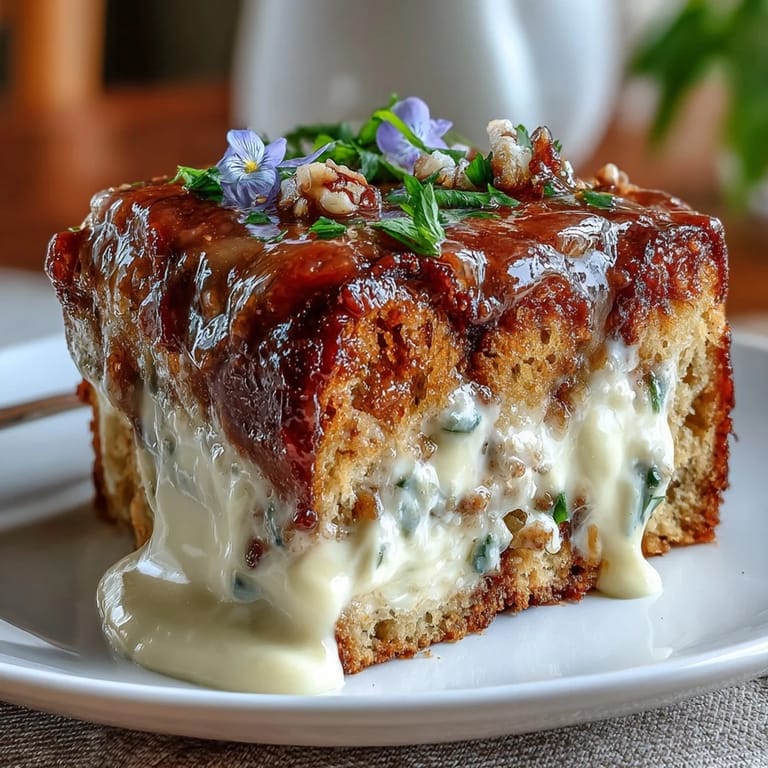
 What I love most about this cake is the moment someone cuts into it and sees those three perfect layers revealed. It's not just dessert; it's proof that you cared enough to do something lovely, and in my experience, that's what people actually remember.
The Story Behind Naked Cakes
Naked cakes became fashionable a few years ago, but there's actually something honest about them—they're cakes that stopped pretending to be something fancier than what they are. Instead of hiding behind buttercream and fondant, this cake says, Look at me, I'm beautiful because my layers are golden and my filling is vibrant. Once I understood that philosophy, I started making cakes this way intentionally, and somehow they taste better when you're not worried about them being perfectly frosted.
Lemon Curd Magic
The first time I made lemon curd, I thought I'd ruined it because it wasn't immediately thick, but then I remembered that it continues to thicken as it cools. This changed everything for me—suddenly I wasn't panicking over timing, and the curd came out silky every single time. Now I make extra jars of it just to eat straight from a spoon, or to stir into yogurt, or to swirl into ice cream when the mood strikes.
Choosing and Using Edible Flowers
When you first see edible flowers at a market, they might feel intimidating or even frivolous, but they're actually your easiest ticket to looking like a professional baker. The flowers I love most for this cake are pansies and violas because they're sturdy enough not to wilt immediately, and their colors—deep purples, soft yellows, creamy whites—look stunning against the pale cream. Just remember: edible doesn't mean they'll taste like anything, so you're choosing them purely for how they make the cake look, which is honestly reason enough.
- Always buy from sources where you can ask about pesticide use or specifically get flowers labeled as edible.
- Arrange them right before serving so they stay perky and don't release moisture into the frosting.
- If you can't find edible flowers, lemon zest curls or candied lemon slices look equally beautiful.
 Save to Pinterest
 This cake reminds me why I love baking in the first place—it's an excuse to make something beautiful for people you care about, with your own hands and a little bit of sunshine in the form of lemon. Make it when spring feels possible.
Recipe FAQs
- → How do I ensure the edible flowers are safe to use?
Choose flowers labeled specifically as edible and pesticide-free. Avoid wild-picked blooms unless confirmed safe by a trusted source.
- → Can I prepare the lemon curd ahead of time?
Yes, lemon curd can be made in advance and refrigerated. Bring it to room temperature before assembly for easier spreading.
- → What’s the best way to achieve stiff peaks for the whipped cream?
Use cold heavy cream and chill your mixing bowl and beaters. Beat on medium-high speed until the cream holds firm peaks without overbeating.
- → How should I store the assembled cake?
Keep the cake refrigerated to maintain freshness. Cover loosely with plastic wrap or a cake dome to protect decorations.
- → Can I substitute mascarpone for part of the whipped cream?
Yes, replacing half of the whipped cream with mascarpone adds richness and stability to the frosting.