 Save to Pinterest
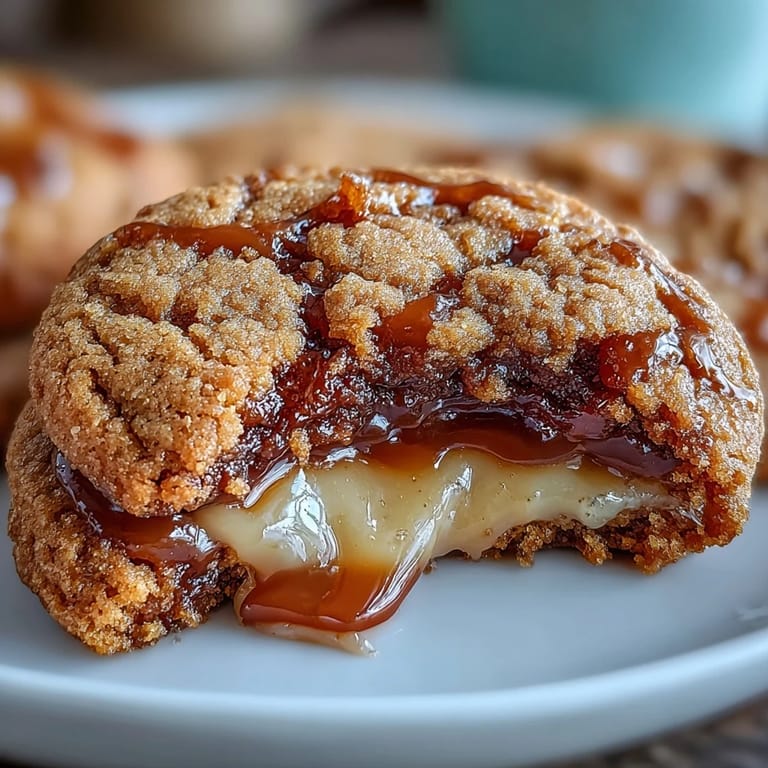
 One quiet afternoon, I was browsing a Japanese tea shop when the owner handed me a small hojicha cookie that had been sitting behind the counter. The moment it touched my tongue, I understood why brown butter and roasted tea belong together—that toasty, almost caramel-like depth made everything else fade away. I spent the next week reverse-engineering the recipe, burning butter, overshooting the hojicha, and generally making a mess of my kitchen until I finally cracked the balance. These cookies became my way of capturing that exact moment in a form I could make again and again.
My partner brought a friend over who mentioned she'd never tried hojicha, and I had these cookies waiting on the cooling rack. Watching her close her eyes on that first bite was worth every single moment I'd spent getting the brown butter just right. She asked for the recipe before she even finished chewing, which felt like the highest compliment I could receive in my own kitchen.
Ingredients
- All-purpose flour (2 cups or 250 g): This is your base, and measuring by weight keeps things consistent across batches.
- Hojicha powder (2 tbsp): This roasted green tea is the soul of the recipe—seek it out at Japanese markets or online because the flavor genuinely can't be replicated.
- Baking soda (1/2 tsp): Just enough to give the cookies slight lift and help them spread evenly without turning cake-like.
- Fine sea salt (1/2 tsp): Salt magnifies the roasted notes in the hojicha, so don't skip it or reduce it.
- Unsalted butter (3/4 cup or 170 g): This needs to be unsalted so you control the salt level and the browning is purely about the milk solids, nothing else.
- Brown sugar (1 cup packed or 200 g): The molasses in brown sugar echoes the roasted flavor of hojicha perfectly.
- Granulated sugar (1/4 cup or 50 g): A small amount helps with spread and creates those crispy edges.
- Egg and egg yolk (1 large egg plus 1 yolk): Keep them at room temperature so they incorporate smoothly and bring richness without making the dough too wet.
- Vanilla extract (2 tsp): Use real vanilla, not imitation, because imitation can taste sharp against the delicate hojicha notes.
Tired of Takeout? 🥡
Get 10 meals you can make faster than delivery arrives. Seriously.
One email. No spam. Unsubscribe anytime.
Instructions
- Preheat and prepare:
- Heat your oven to 350°F (175°C) and line two baking sheets with parchment paper so you're not scrambling when the dough is ready.
- Brown the butter slowly:
- Melt butter in a small saucepan over medium heat, then keep stirring as it foams and turns golden—this takes about 4 to 5 minutes and the kitchen will smell incredible. Listen for the sizzle to quiet down a bit, which signals the moisture has cooked off and you're left with pure nuttiness.
- Cool the browned butter:
- Let it rest for 10 minutes off the heat so it's warm but not hot when you add the sugars; this prevents the eggs from scrambling later.
- Whisk dry ingredients:
- Combine flour, hojicha powder, baking soda, and salt in a medium bowl, breaking up any clumps in the hojicha so it distributes evenly throughout the dough.
- Combine wet ingredients:
- In a large bowl, mix the cooled browned butter with both sugars until smooth, then add the egg, egg yolk, and vanilla, whisking until the mixture is pale and smooth—this is crucial for even texture.
- Bring it together gently:
- Add the dry ingredients to the wet ingredients and stir just until combined; overmixing develops gluten and makes cookies tough. It should look shaggy but cohesive.
- Portion the dough:
- Use a cookie scoop or tablespoon to drop mounds onto your prepared sheets, leaving about 2 inches between each one so they spread without touching.
- Bake to perfection:
- Bake for 10 to 12 minutes until the edges are golden but the centers still look slightly underdone; they'll continue setting as they cool. Pull them out when they still feel soft in the middle—this is what keeps them chewy.
- Cool strategically:
- Let them rest on the baking sheet for 5 minutes so they firm up just enough to move, then transfer to a wire rack so air can circulate underneath and prevent them from becoming dense.
 Save to Pinterest
 There's something almost meditative about watching butter transform from solid to liquid to something entirely different—it's like you're witnessing a small miracle happening in your saucepan. These cookies became my way of slowing down, of paying attention to the tiny details that separate a good cookie from one that makes someone close their eyes and stop talking.
The Magic of Brown Butter
Brown butter isn't just melted butter with extra steps—it's butter that's been coaxed into releasing all its nutty, caramel-like compounds through heat. When those milk solids brown, they create flavors that vanilla extract could never achieve alone. I learned this the hard way by once trying to take a shortcut and just melting regular butter, and the cookies tasted like they were missing their entire personality.
Why Hojicha Works Here
Hojicha is roasted green tea, which means it already has caramel and toasted notes baked into it—literally. When you add it to brown butter, you're stacking roasted flavors on top of each other, creating depth that feels almost savory underneath the sweetness. It's completely different from regular matcha, which would make these cookies taste grassy and bright instead of warm and sophisticated.
The Crispy-Chewy Sweet Spot
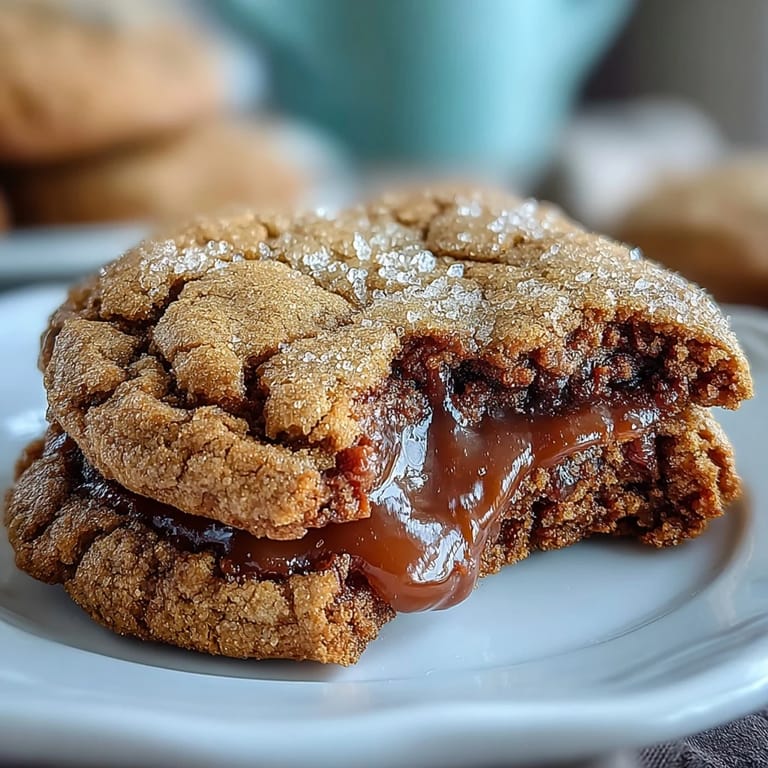
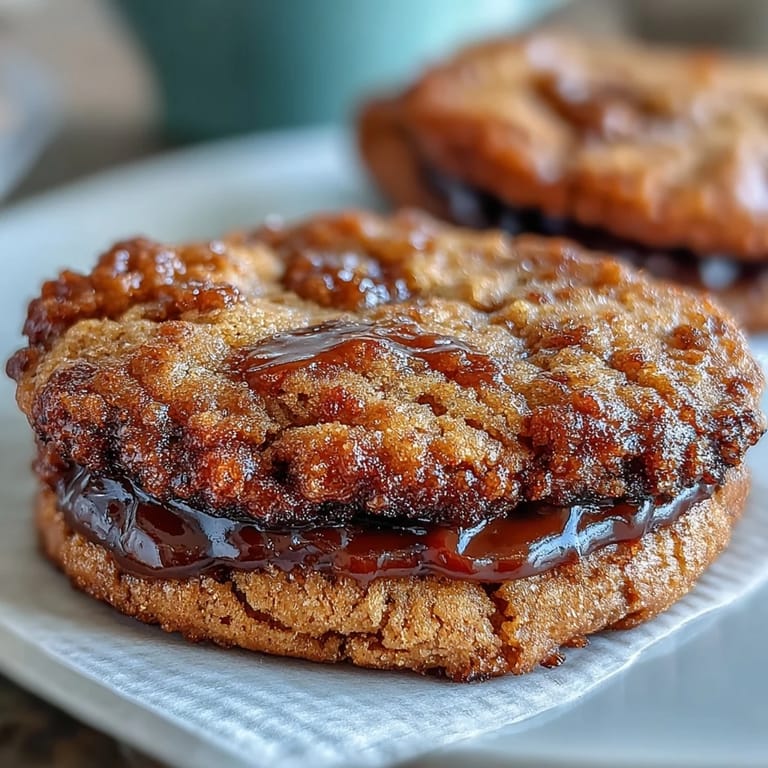
Getting these cookies to that perfect balance of crispy edges and chewy centers is all about timing and trusting your instincts. The moment you pull them from the oven, they should still jiggle slightly in the middle—they'll firm up as they cool, and that residual heat does most of the work.
- If your cookies spread too thin and burn on the edges, your oven might run hot, so try lowering the temperature by 10 to 15 degrees next time.
- If they stay puffy and cake-like, you might have added flour by volume instead of weight, so invest in a kitchen scale for consistency.
- A pinch of flaky sea salt sprinkled right after baking adds a sophisticated finish that makes people wonder what the secret ingredient is.
 Save to Pinterest
 Every time I make these, I'm reminded that the best recipes aren't complicated—they just require paying attention to small moments. These cookies are proof that two great things, brown butter and hojicha, become something even better together.
Recipe FAQs
- → What is hojicha powder?
Hojicha powder is roasted green tea that adds a toasty, caramel-like flavor with subtle smokiness to baked goods.
- → How do you brown butter correctly?
Melt unsalted butter over medium heat, stirring constantly until it turns golden brown with a nutty aroma, then remove from heat to cool.
- → Can I substitute hojicha powder with matcha?
Yes, matcha can be used to give a green tea flavor, although it provides a different, earthier taste compared to roasted hojicha.
- → How do you achieve chewy centers with crisp edges?
Bake the dough at a moderate temperature until edges are golden but centers remain soft, then cool on the baking sheets briefly before transferring.
- → What enhances the flavor after baking?
Sprinkling flaky sea salt immediately after baking highlights the caramel notes and balances sweetness.
- → Are these cookies suitable for vegetarians?
Yes, they contain no meat products and use common vegetarian ingredients like butter and eggs.