 Save to Pinterest
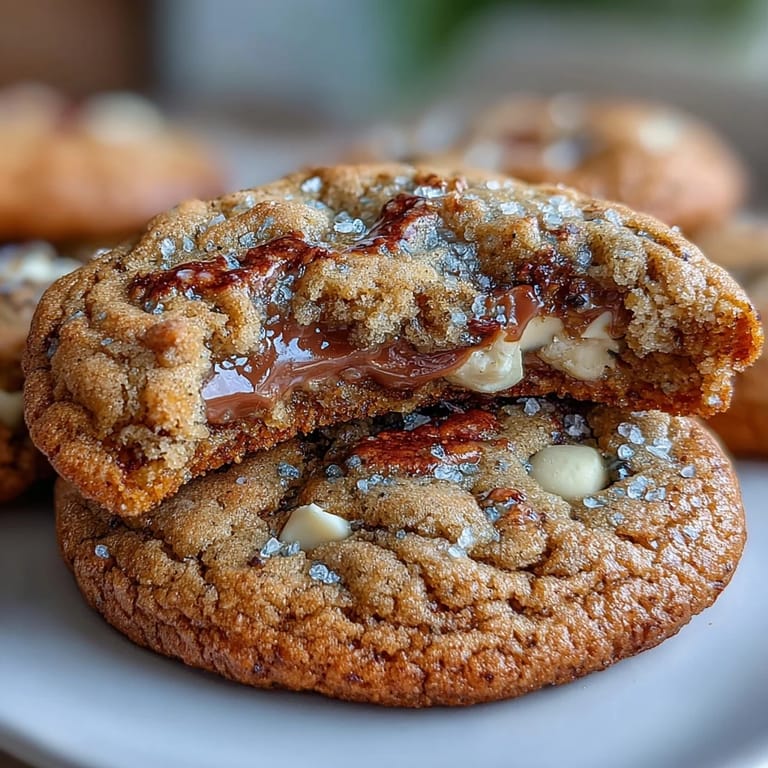
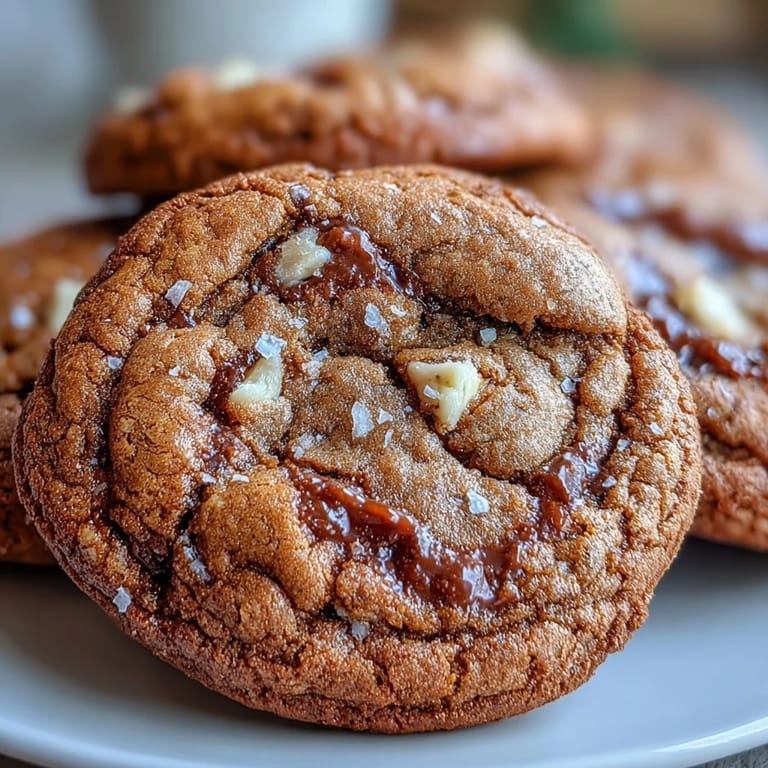
 I stumbled onto this cookie concept on a rainy afternoon while reorganizing my tea drawer, realizing I had hojicha and Earl Grey sitting side by side like they'd been waiting for an introduction. The idea of combining them felt oddly natural, like they were meant to meet in brown butter. My first batch was a quiet triumph—the kitchen filled with that toasty, almost caramel-like scent as the butter browned, then the floral bergamot notes drifted in as the cookies baked. Now whenever someone bites into one, there's always that pause, that moment of trying to name what makes them taste so familiar yet entirely new.
I made these for my neighbor who'd been dealing with a difficult stretch at work, and watching her face when she tasted one—that immediate softening—reminded me why baking for people matters. She called them "sophisticated comfort," which felt exactly right. We ended up sitting on the porch with tea and cookies while she talked through things, and somehow the hojicha notes in the cookie echoed the tea in her cup.
Ingredients
- Unsalted Butter (170 g): The foundation here—browning it isn't optional, it's essential, and watching it transform from pale yellow to golden brown teaches you patience in the best way.
- All-Purpose Flour (250 g): Use fresh flour if you can; old flour can make the cookies taste slightly flat, and these tea flavors deserve brightness.
- Baking Soda (1/2 tsp): This tiny amount keeps the cookies tender and helps them spread just enough to get crispy edges.
- Fine Sea Salt (1/2 tsp): Don't skip this—salt amplifies the tea flavors and balances the sweetness in a way that feels almost magical.
- Hojicha Powder (1 tbsp): This is roasted green tea with a warm, toasty character; look for it in specialty tea shops or online, and sift it before adding to avoid lumps.
- Earl Grey Tea (2 tsp ground): Grind it finely from whole tea bags so you get the bergamot oil along with the tea leaves, not just dust.
- Light Brown Sugar (150 g) & Granulated Sugar (50 g): The combination gives you moisture and chewiness from the brown sugar while the white sugar encourages a slightly crispy edge.
- Egg & Egg Yolk: This adds richness and binding without making the cookies cake-like; room temperature ingredients mix more smoothly together.
- Vanilla Extract (2 tsp): Use real vanilla; the flavor compounds matter here alongside the tea.
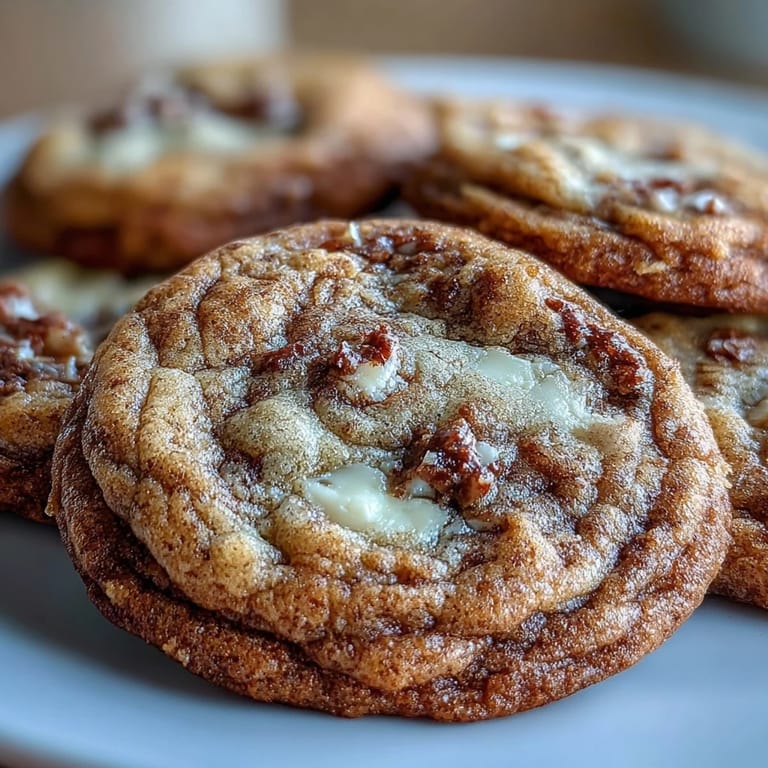
- White Chocolate Chips (100 g, optional): These add pockets of sweetness that complement the tea without competing; white chocolate's subtle vanilla note plays beautifully with the Earl Grey.
Tired of Takeout? 🥡
Get 10 meals you can make faster than delivery arrives. Seriously.
One email. No spam. Unsubscribe anytime.
Instructions
- Brown Your Butter with Purpose:
- Melt the butter in a saucepan over medium heat, then keep stirring as it foams and transforms—you're looking for that deep golden color and nutty aroma, which takes about 5 to 7 minutes. Once it reaches that point, remove it immediately and let it cool for 10 minutes so you don't cook the eggs when you add them later.
- Combine Your Tea & Flour Blend:
- Whisk together the flour, baking soda, salt, hojicha powder, and finely ground Earl Grey in a separate bowl, making sure everything is evenly distributed so no pocket of cookie is missing the tea. This step matters more than it sounds; uneven tea distribution means some cookies taste bold while others taste plain.
- Build Your Wet Base:
- Pour the cooled brown butter into a mixing bowl with both sugars and beat them together until they look almost creamy, which should take 1 to 2 minutes. Add the whole egg, then the egg yolk, then the vanilla, mixing until smooth and slightly pale.
- Marry Wet & Dry Together:
- Add the dry ingredients to the wet ingredients gradually, mixing just until the flour disappears into the dough—overmixing develops gluten and makes the cookies tough. Fold in the white chocolate chips if you're using them, being gentle so they distribute evenly without breaking.
- Chill for Flavor & Texture:
- Cover the dough and refrigerate for at least 1 hour, though overnight is genuinely better; the flavors deepen and the dough becomes easier to scoop. This resting period also prevents the cookies from spreading too thin in the oven.
- Shape & Space Thoughtfully:
- Preheat your oven to 175°C (350°F) and line baking sheets with parchment paper, then scoop the dough into 2-tablespoon mounds spaced about 5 cm apart. If the dough seems too soft, chill it for another 10 minutes.
- Bake Until Edges Set & Centers Yield:
- Bake for 10 to 12 minutes—the edges should look set and slightly golden while the centers still look soft and barely cooked. They'll continue to firm up as they cool, so don't overbake or you'll miss that tender middle.
- Cool with Patience:
- Leave the cookies on the baking sheet for 5 minutes so they set slightly, then transfer to a wire rack to cool completely. This prevents them from breaking apart while still warm but also avoids that overly firm texture that happens if you cool them too long on the hot pan.
 Save to Pinterest
 There's a quiet moment that happens in my kitchen around the middle of the day when the cookies are cooling and the whole space smells like a tea shop crossed with a bakery. It's become one of those small rituals I look forward to, that convergence of technique and aroma that reminds me why I love baking. This cookie, specifically, feels like it bridges two entirely different traditions and somehow makes them feel like they belonged together all along.
The Brown Butter Moment
The brown butter is honestly where all the magic lives in this cookie. I used to be nervous about it, thinking I'd either undercook it or burn it past saving, but now I understand that moment when it stops sputtering and the aroma shifts from just butter smell to something nutty and almost caramelized. The flavor it brings—that deep, slightly toasted sweetness—becomes the backdrop for the tea flavors, making them feel richer and more sophisticated than they would alone.
Tea as an Ingredient, Not an Afterthought
Using actual tea powder and ground tea leaves instead of tea extracts changes everything about how this cookie tastes and feels. There's a texture element from the tea particles, and a freshness in the flavor that an extract could never deliver. I learned this after trying an extract version once out of convenience—it tasted flat and one-dimensional compared to the real thing, which reminded me that some shortcuts actually rob you of the whole experience.
Storage & Serving Wisdom
These cookies stay fresh and chewy for about 4 to 5 days in an airtight container, though I've found that serving them at room temperature brings out the tea flavors more than serving them cold. If you make them ahead, they freeze beautifully for up to a month, and you can bake them straight from the freezer with just an extra minute or two in the oven.
- Pair them with their matching teas—hojicha or Earl Grey—to create a moment that feels intentional and complete.
- If the edges seem too crispy, you're baking them 1 to 2 minutes too long; aim for that soft center that firms up only as they cool.
- These cookies are special enough for gifts, so don't hesitate to package them for people you want to impress.
 Save to Pinterest
 These cookies became one of those recipes I make when I want to feel like I'm sharing something thoughtfully crafted with people I care about. There's something about a cookie that tastes both refined and comforting—something that makes people slow down and actually taste it—that feels like a small gift in itself.
Recipe FAQs
- → What does browning the butter add to the cookies?
Browning butter imparts a nutty, caramelized flavor and a richer aroma, enhancing the overall depth of the baked treat.
- → How does hojicha powder influence the flavor?
Hojicha powder adds a roasted, slightly smoky green tea flavor that complements the butter’s richness and balances sweetness.
- → Can I substitute Earl Grey tea leaves with another tea?
Yes, but Earl Grey’s bergamot notes provide a unique citrus aroma; other teas will change the flavor profile accordingly.
- → Why is chilling the dough recommended?
Chilling solidifies the fats and allows flavors to meld, producing a tender texture and enhanced taste after baking.
- → How do white chocolate chips affect the final product?
They contribute creamy sweetness and a contrasting texture that balances the earthy tea flavors and nutty butter.