 Save to Pinterest
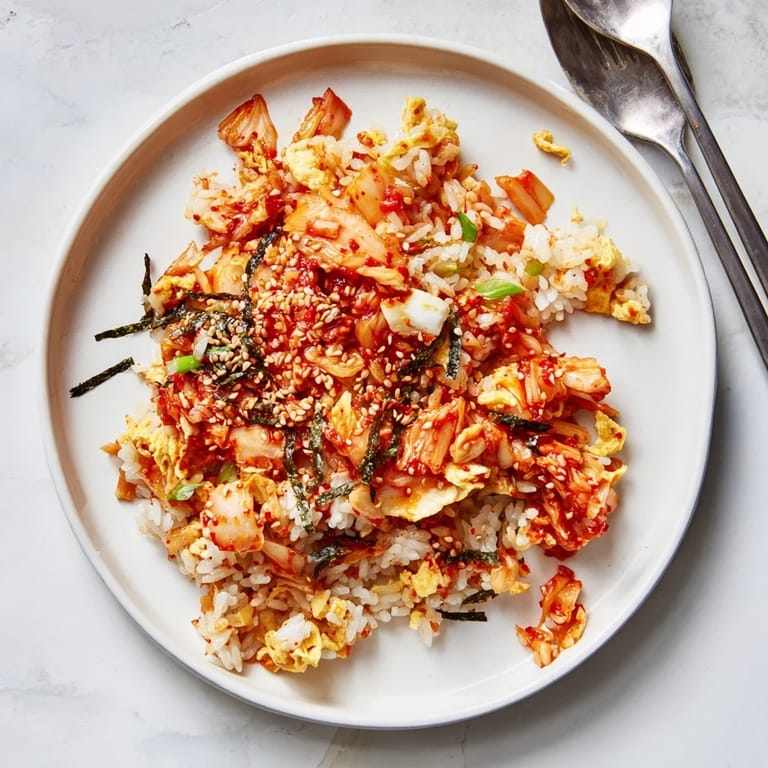
 My tiny apartment kitchen in college smelled like fermented heaven the first time I attempted kimchi fried rice after midnight. I had this jar of kimchi staring at me from the fridge door, leftover rice from takeout, and absolutely zero patience. That spontaneous creation became the dish that taught me some of the best meals happen when you stop overthinking and start cooking. The way the kimchi juices seep into every grain of rice still feels like magic.
My Korean neighbor Sarah caught me making this once and immediately corrected my technique. She showed me how the rice needs to fry undisturbed for those golden crispy bits that make restaurant kimchi fried rice so addictive. Now every time I make it, I remember leaning against her doorframe, learning that the difference between good and great is patience and heat control.
Ingredients
- 2 cups cold cooked white rice: Day old rice is crucial because it has dried out slightly, preventing that sad gummy texture that ruins fried rice
- 1 cup napa cabbage kimchi, chopped: The older and more fermented your kimchi, the deeper and more complex the flavor becomes
- 2 tbsp kimchi juice: This liquid gold is what seasons the rice from the inside out
- 2 large eggs: They add protein and richness that balances the sharp tang of fermented cabbage
- 1/2 small onion, finely diced: Provides sweetness as it caramelizes
- 2 green onions, sliced: Keep the white parts for cooking and save green for fresh garnish
- 1 small carrot, finely diced: Adds subtle sweetness and color contrast
- 2 tbsp gochujang: This Korean chili paste brings heat, sweetness, and that signature red color
- 1 tbsp soy sauce: Adds umami depth and saltiness
- 1 tsp toasted sesame oil: Finish with this for aromatic nuttiness you cannot replicate with anything else
- 1 tbsp vegetable oil: A neutral oil that can handle high heat without burning
- 1 tsp sugar: Balances the acidity if your kimchi is particularly sharp
Tired of Takeout? 🥡
Get 10 meals you can make faster than delivery arrives. Seriously.
One email. No spam. Unsubscribe anytime.
Instructions
- Build your flavor foundation:
- Heat vegetable oil in a large skillet or wok over medium-high heat. Add onion, white parts of green onion, and carrot. Sauté for 2 to 3 minutes until softened and fragrant.
- Develop the kimchi base:
- Add chopped kimchi and stir-fry for 2 to 3 minutes until it becomes fragrant and slightly caramelized. Listen for that sizzling sound that means sugars are developing.
- Season the mixture:
- Stir in gochujang, soy sauce, and sugar if using. Mix everything thoroughly so the paste coats the vegetables evenly.
- Add the eggs:
- Push the mixture to one side of the pan. Crack eggs into the empty space and scramble until just set, then fold them into the kimchi mixture.
- Incorporate the rice:
- Add cold rice, breaking up any clumps with your spatula. Combine everything thoroughly, then pour in kimchi juice. Stir-fry for 3 to 4 minutes until rice is heated through and evenly coated.
- Finish with aromatic touches:
- Drizzle with sesame oil and fold in green parts of green onion. Taste and adjust seasoning if needed.
 Save to Pinterest
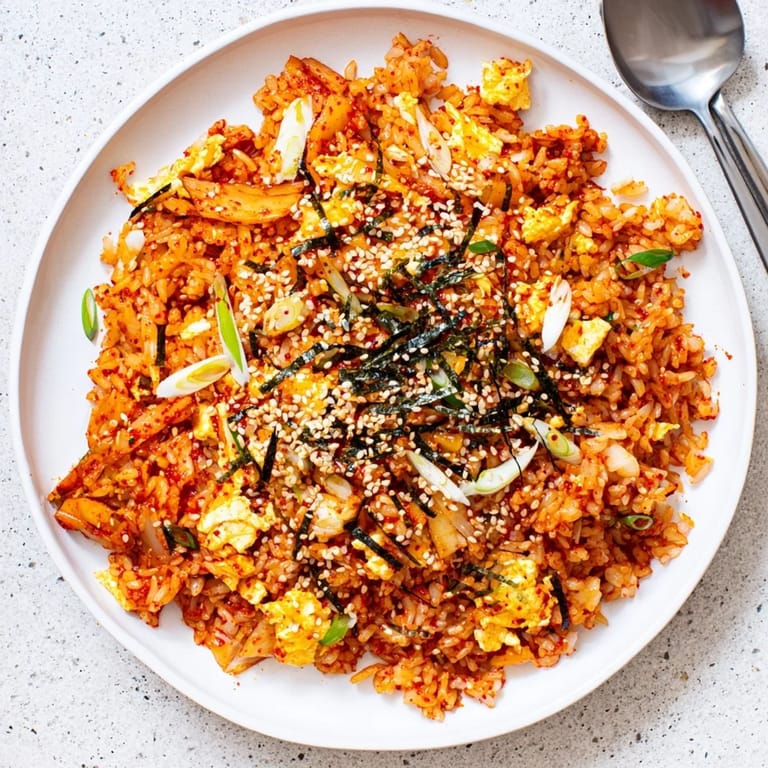
 This recipe has gotten me through countless tired weeknights and impromptu dinner gatherings. There is something deeply satisfying about turning humble leftovers into a dish that feels special and intentional.
Making It Your Own
The beauty of kimchi fried rice lies in its flexibility. You can add diced Spam, tofu, or leftover pork belly for extra protein. Brown rice or cauliflower rice work beautifully if you want something lighter. The key is maintaining that ratio of kimchi to rice that keeps every bite flavorful.
Perfecting Your Technique
High heat is your friend here. You want everything to sizzle and develop those crispy edges. A well-seasoned wok or cast iron skillet will give you the best results. Do not overcrowd the pan or you will end up steaming instead of frying.
Serving Suggestions
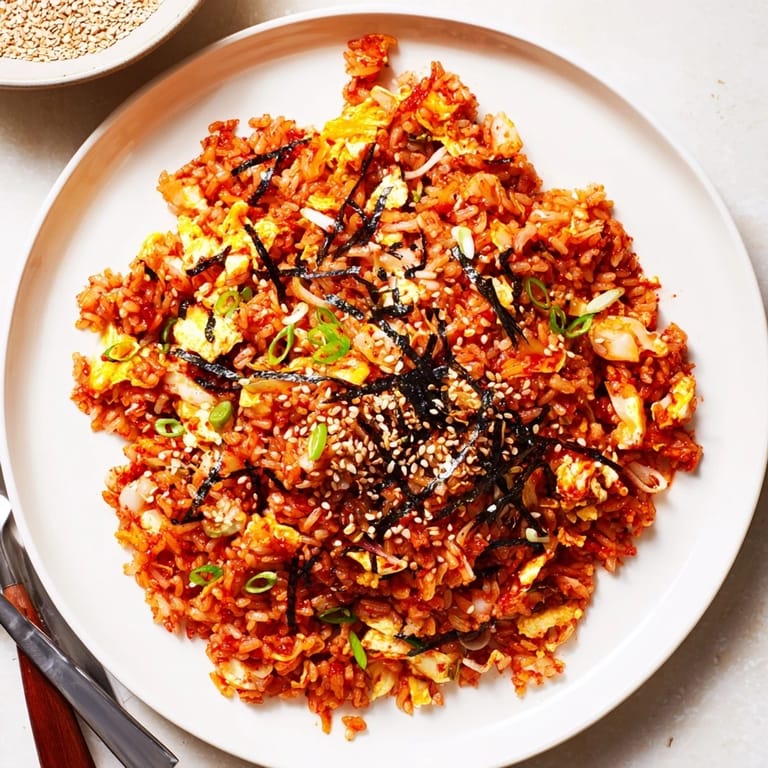
A cold Korean lager cuts through the spice perfectly, or try green tea for a non-alcoholic option. Top with toasted sesame seeds, extra green onions, and roasted seaweed strips for that restaurant presentation. A sunny-side up egg on top never hurt anyone either.
- Set out gochujang on the table so diners can adjust heat to their preference
- Pickled radish on the side adds refreshing crunch
- Keep extra kimchi handy for anyone who wants extra tang
 Save to Pinterest
 Grab a fork and eat it straight from the pan while standing at the stove. That is when this dish tastes absolutely perfect.
Recipe FAQs
- → Why use day-old rice?
Cold, day-old rice has dried slightly, which prevents it from becoming mushy during stir-frying. The grains separate easily and absorb the savory sauce coating perfectly.
- → Can I make this less spicy?
Reduce the gochujang to 1 teaspoon or choose a mild variety. You can also add more sugar to balance the heat. The kimchi itself contributes some spice, so adjust both ingredients to your preference.
- → What protein options work well?
Diced pork belly, Spam, or firm tofu are traditional choices. Shredded chicken, beef, or even edamame can be added. The eggs already provide protein, so additions are optional.
- → Is this dish gluten-free?
Many gochujang brands contain wheat, so look for a gluten-free version. Use tamari instead of soy sauce, and verify your kimchi doesn't contain fish sauce with gluten additives.
- → How do I store leftovers?
Keep in an airtight container in the refrigerator for up to 3 days. Reheat in a skillet over medium heat, adding a splash of water or oil to refresh the texture. The flavors often deepen overnight.