 Save to Pinterest
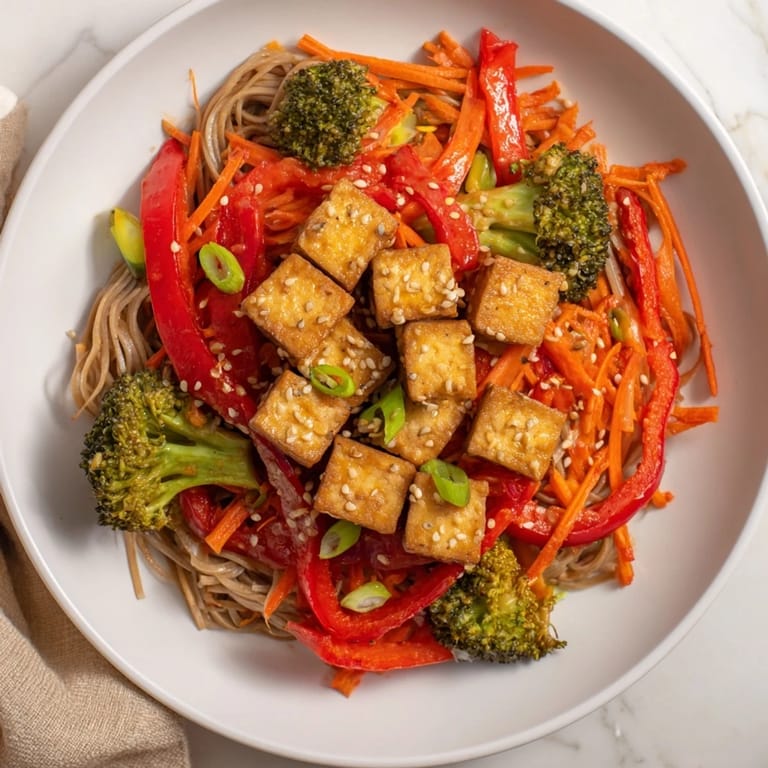
 I used to think stir-fry was just restaurant food until a friend handed me a bowl of crispy tofu tossed with noodles and ginger-soaked vegetables. The sauce clung to everything, nutty and bright at the same time. I asked for the recipe expecting something complicated, but she just laughed and said it was easier than ordering takeout. That night I went home and made it myself, standing over the wok as sesame oil hit the hot pan and filled the kitchen with that unmistakable toasted smell.
I made this for a potluck once and watched people go back for thirds, scraping the edges of the bowl where the sauce had pooled. One person asked if I used a secret ingredient, and I realized the secret was just fresh ginger and not being afraid of a hot pan. It became my go-to whenever I needed to cook something that felt generous without spending hours in the kitchen.
Ingredients
- Firm tofu (400 g, drained and pressed): Pressing the tofu is not optional, the drier it is, the crispier it gets, and crispy tofu changes the whole dish.
- Cornstarch (1 tbsp): This is what gives the tofu that golden, slightly crunchy exterior without any batter or fuss.
- Vegetable oil (2 tbsp, plus extra): Use something neutral with a high smoke point so the tofu can sizzle without burning.
- Red bell pepper (1, thinly sliced): Adds sweetness and a pop of color that makes the bowl look as good as it tastes.
- Carrot (1 medium, julienned): Thin strips cook quickly and stay just a little bit crunchy, which is exactly what you want.
- Sugar snap peas (100 g, trimmed): These bring a fresh snap that balances the soft noodles and rich sauce.
- Broccoli florets (100 g): Small florets catch the sauce in all their little branches, which is a quiet kind of genius.
- Spring onions (2, sliced): Toss these in at the end for a sharp, fresh bite that cuts through the sesame richness.
- Wheat or rice noodles (250 g, dried): Either works beautifully, just cook them a minute less than the package says so they dont turn mushy in the pan.
- Soy sauce (3 tbsp): The backbone of the sauce, salty and deep, use tamari if you need it gluten-free.
- Toasted sesame oil (1 tbsp): A little goes a long way, this is what makes the whole dish smell like a dream.
- Rice vinegar (2 tbsp): Brightens everything and keeps the sauce from feeling heavy.
- Honey or maple syrup (1 tbsp): Just enough sweetness to balance the soy and vinegar without making it dessert.
- Fresh ginger (2 tbsp, grated): Use fresh, not powdered, the zing is worth the extra peeling.
- Garlic (2 cloves, minced): Because garlic and ginger together is one of the great partnerships in cooking.
- Sesame seeds (1 tbsp, plus extra for garnish): Toasted sesame seeds add texture and a faint nuttiness that ties the whole thing together.
- Fresh coriander or cilantro (optional): Some people love it, some people hate it, I always put it on the side and let people decide.
- Lime wedges (optional): A squeeze of lime at the end wakes everything up in a way that surprises me every time.
Tired of Takeout? 🥡
Get 10 meals you can make faster than delivery arrives. Seriously.
One email. No spam. Unsubscribe anytime.
Instructions
- Cook the noodles:
- Boil the noodles according to the package directions, then drain and rinse them under cold water to stop the cooking. This keeps them from sticking together while you prep everything else.
- Prep the tofu:
- Cut the pressed tofu into bite-sized cubes and toss them gently with cornstarch until every piece has a light dusting. Dont skip this step, its what makes them crispy instead of sad and soggy.
- Fry the tofu:
- Heat the vegetable oil in a large skillet or wok over medium-high heat until it shimmers. Add the tofu in a single layer and let it sit without moving for a couple minutes so it develops a golden crust, then flip and repeat until all sides are crispy, about 6 to 8 minutes total.
- Stir-fry the vegetables:
- Remove the tofu and set it aside, then add a splash more oil if the pan looks dry. Toss in the bell pepper, carrot, snap peas, and broccoli, stirring constantly until theyre tender but still have some bite, about 3 to 4 minutes.
- Make the sauce:
- While the vegetables cook, whisk together the soy sauce, sesame oil, rice vinegar, honey, grated ginger, minced garlic, and sesame seeds in a small bowl. It should smell sharp and sweet and a little bit spicy from the ginger.
- Bring it all together:
- Add the tofu back to the pan along with the cooked noodles and the sauce. Toss everything gently but thoroughly until the noodles are coated and everything is heated through, about 2 to 3 minutes.
- Garnish and serve:
- Top with sliced spring onions, extra sesame seeds, and fresh coriander if youre using it. Serve with lime wedges on the side so everyone can squeeze their own.
 Save to Pinterest
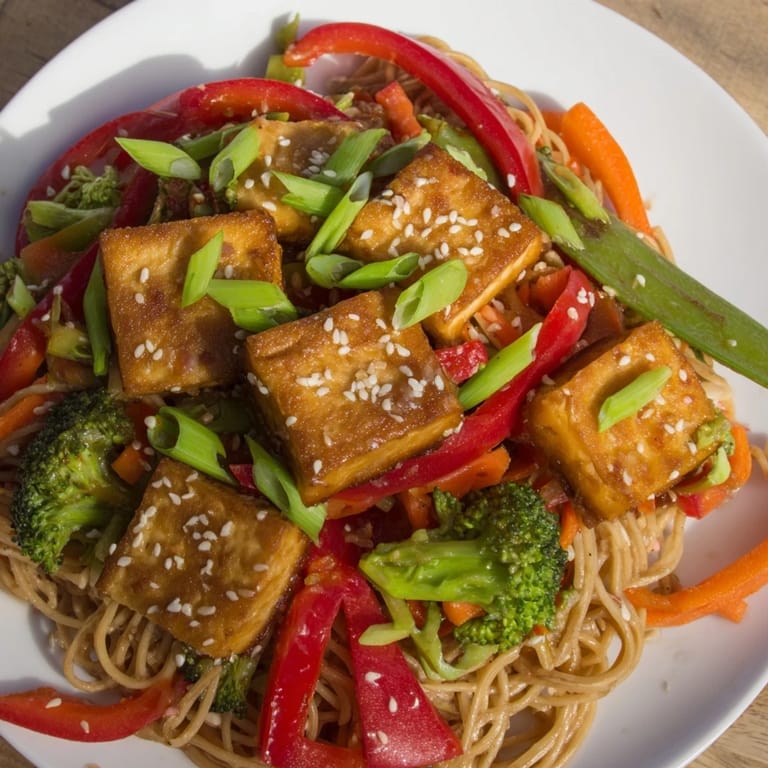
 One rainy Tuesday I made this for myself and ate it straight from the pan, standing at the counter with chopsticks. The ginger was so fresh it almost stung, and the tofu was hot and crunchy, and I thought about how some meals dont need an occasion to feel special. Sometimes the act of cooking something good is enough.
How to Press Tofu Properly
I used to skip pressing tofu because I thought it didnt matter, and then I wondered why my stir-fries were always watery. Now I wrap the block in a clean kitchen towel, set a cutting board on top, and weigh it down with a cast iron skillet or a few cans. After 15 minutes the towel is soaked and the tofu is firm and ready to actually crisp up in the pan. If youre in a hurry, even 10 minutes makes a difference.
Vegetable Swaps and Seasonal Ideas
This recipe is forgiving in the best way. Ive used mushrooms, baby corn, bok choy, and even shredded cabbage depending on what I had around. In the summer I add fresh green beans or zucchini, and in the winter I lean into heartier vegetables like sliced Brussels sprouts. The sauce is strong enough to carry whatever you throw at it, so trust your instincts and use whats fresh.
Storing and Reheating Leftovers
Leftovers keep well in the fridge for up to three days, though the tofu loses some of its crispness. I reheat it in a hot skillet instead of the microwave to bring back a little of that texture, adding a splash of water or soy sauce if it looks dry. You can also eat it cold straight from the container, which I have done more times than I care to admit, and it still tastes good.
- If you want to meal prep, cook the tofu and vegetables separately and toss everything together fresh when youre ready to eat.
- Double the sauce and keep extra in a jar for drizzling over rice bowls or roasted vegetables during the week.
- Freeze cooked noodles in individual portions so you can pull one out and stir-fry it in minutes.
 Save to Pinterest
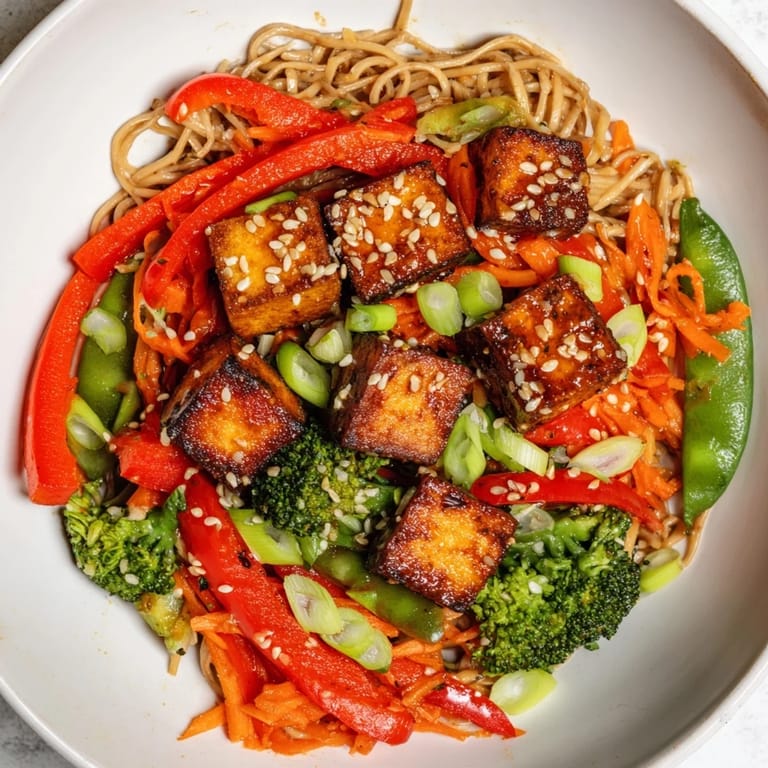
 This is the kind of recipe that gets better the more you make it because you stop measuring and start feeling your way through. I hope it becomes one of those meals you cook without thinking, the kind that fills your kitchen with good smells and leaves everyone quietly happy.
Recipe FAQs
- → How do I achieve crispy tofu in this dish?
Press the tofu to remove excess moisture, toss cubes with cornstarch, and fry in hot oil until golden and crisp on all sides.
- → Can I use gluten-free noodles?
Yes, substitute wheat noodles with certified gluten-free rice noodles to keep it gluten-free without compromising texture.
- → What vegetables work best for a stir-fry?
Crunchy, quick-cooking vegetables like bell peppers, carrots, snap peas, and broccoli create a vibrant texture and flavor balance.
- → How to make the sauce tangy and balanced?
The combination of soy sauce, toasted sesame oil, rice vinegar, honey, ginger, and garlic creates a bright and well-rounded sauce.
- → Can this dish be made spicier?
Add chili flakes or sriracha to the sauce mix for an extra kick according to your heat preference.