 Save to Pinterest
 There's something almost magical about watching garlic transform in the oven—those harsh, pungent cloves turning sweet and mellow, filling your kitchen with an aroma that feels more like a hug than a smell. I discovered this soup by accident one winter afternoon when I had more garlic than I knew what to do with and a craving for something warm that didn't feel heavy. One slow roast later, and I realized garlic could be gentle, even elegant. Now it's become my go-to recipe when I want to impress someone without fussing, or when I just need comfort in a bowl.
I made this for my sister last spring when she was recovering from being under the weather, and watching her face light up at that first spoonful reminded me why simple, honest food matters so much. She called me the next day asking for the recipe, and now she makes it whenever she wants to feel better or think clearer—she swears by it.
Ingredients
- Garlic (3 large heads): The star of the show—roasting mellows the bite and brings out a natural sweetness that makes this soup feel luxurious without any fancy ingredients.
- Yellow onion (1 medium, chopped): Adds gentle sweetness and body; don't skip it, even though the garlic gets all the attention.
- Celery stalk (1, chopped): A quiet backbone that keeps the soup from tasting one-dimensional.
- Carrot (1 medium, chopped): Brings a subtle earthiness and helps the blended soup feel silky instead of pasty.
- Unsalted butter (2 tablespoons): Use real butter here—it makes a difference in both flavor and mouthfeel.
- Heavy cream (1/2 cup): The finishing touch that makes this soup feel indulgent; don't thin it down with milk.
- Vegetable broth (4 cups): Good quality broth matters since it's half the soup; taste it before you buy.
- Dried thyme (1/2 teaspoon): Just enough to hint at herbaceousness without drowning out the garlic.
- Freshly ground black pepper (1/4 teaspoon): Always grind it fresh—pre-ground tastes dusty by comparison.
- Salt (1/2 teaspoon): Start with this amount and taste as you go; you'll likely add a pinch more.
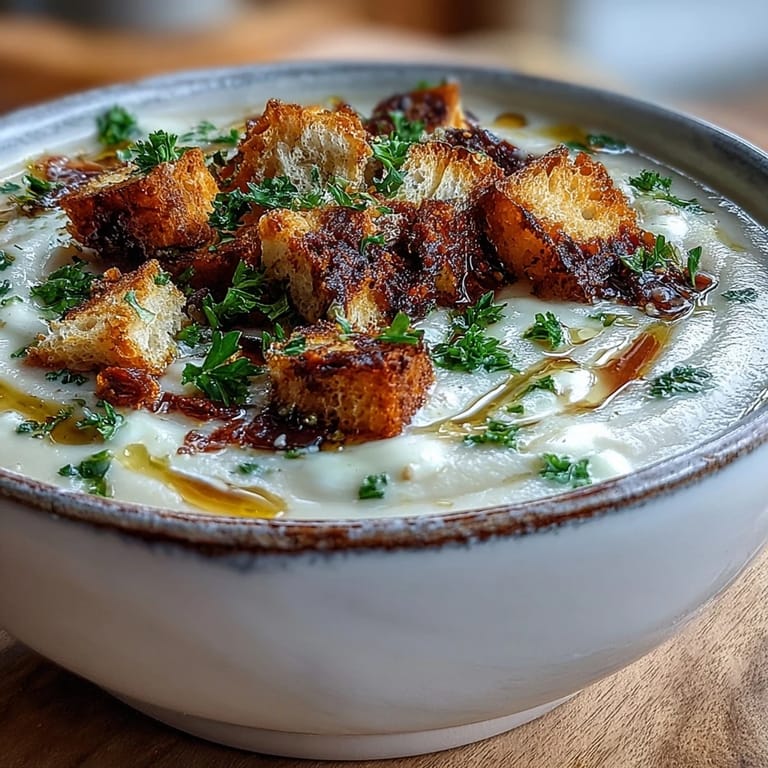
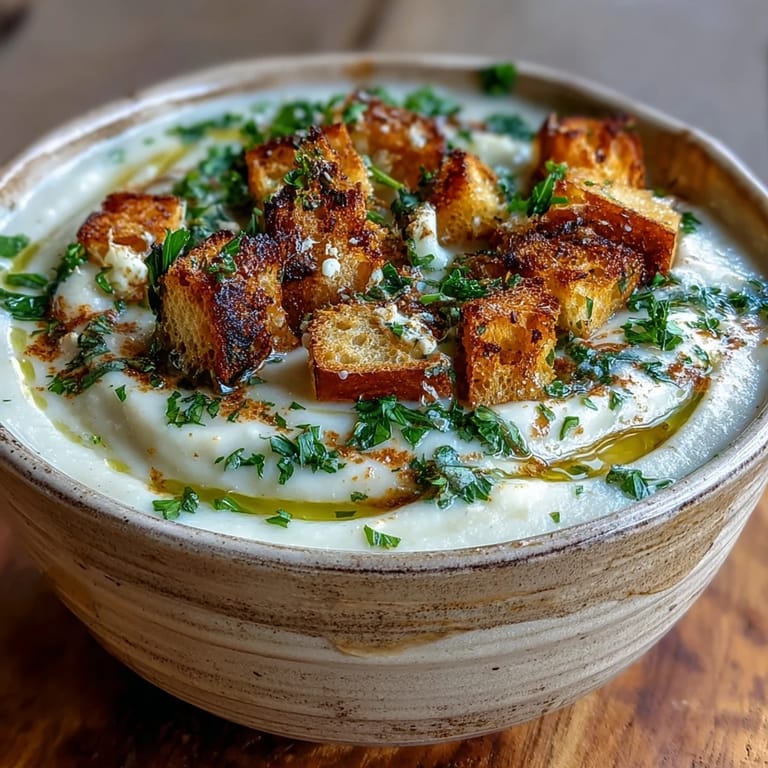
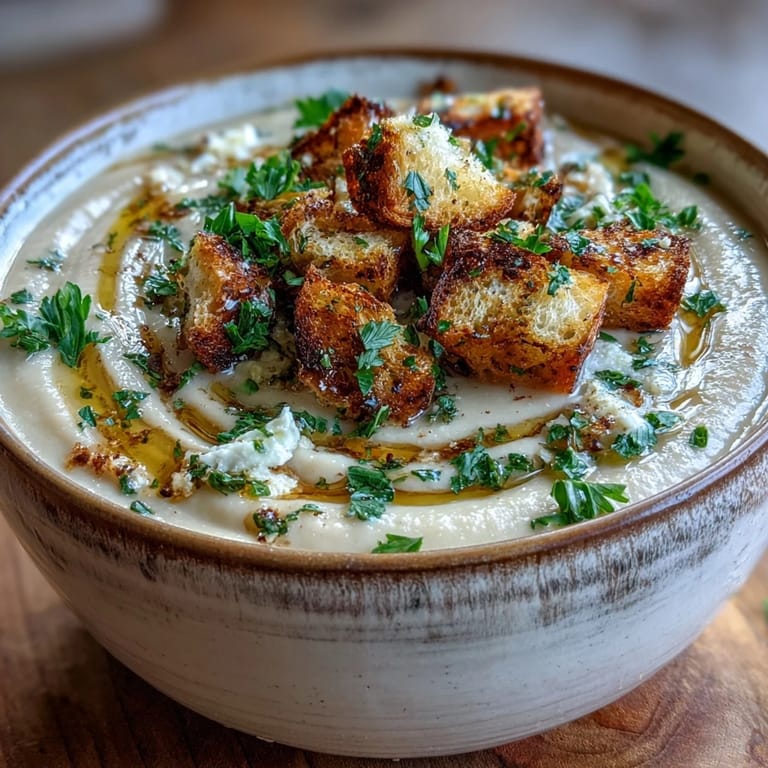
- Fresh parsley, croutons, and olive oil (for garnish): These optional touches turn a bowl of soup into something that looks like you care.
Tired of Takeout? 🥡
Get 10 meals you can make faster than delivery arrives. Seriously.
One email. No spam. Unsubscribe anytime.
Instructions
- Roast the garlic until it's golden and sweet:
- Preheat your oven to 400°F and slice off the pointed tops of three garlic heads to expose the cloves. Drizzle each head lightly with olive oil, wrap them in foil, and roast for 35 to 40 minutes until the cloves turn soft and caramelize to a golden tan—this is where all the magic happens.
- Squeeze out the roasted cloves:
- Let the garlic cool just enough to handle, then gently squeeze each head from the pointy end and watch the cloves slide out like butter. They should feel creamy to the touch.
- Build your flavor base:
- Melt butter in a large pot over medium heat, then add your chopped onion, celery, and carrot, stirring occasionally for about 5 to 7 minutes until everything softens and becomes translucent. You'll notice the pot start to smell like a proper kitchen.
- Add the roasted garlic and aromatics:
- Stir in the squeezed roasted cloves, dried thyme, salt, and pepper, cooking for just 2 minutes to let everything get acquainted and release their scents together.
- Simmer everything into harmony:
- Pour in your vegetable broth, bring it to a gentle boil, then lower the heat and let it simmer quietly for about 10 minutes so all the flavors can mingle and deepen.
- Blend until completely smooth:
- Using an immersion blender, purée the soup right in the pot, or carefully transfer batches to a countertop blender if you prefer—either way, blend until there are no lumps and the texture feels velvety.
- Finish with cream and warmth:
- Stir in the heavy cream and gently heat for 2 to 3 minutes, tasting as you go to adjust salt or pepper to your liking—this is when you taste and fall in love.
- Serve with intention:
- Ladle into bowls and top with fresh parsley, crispy croutons, or a slow drizzle of good olive oil that catches the light in the soup.
 Save to Pinterest
 My neighbor stopped by one evening and caught the aroma drifting from my kitchen, and by the time we finished talking, I'd pressed a warm bowl into her hands with a sleeve of crackers. She returned the empty bowl the next morning with a note that just said 'magic'—and honestly, that's exactly what this soup feels like.
Why This Soup Works as Comfort
There's a reason roasted garlic soup has shown up in kitchens across Europe for generations—it hits that sweet spot between simple enough for a weeknight and impressive enough for guests. The long, slow roasting process transforms something assertive into something almost delicate, which is a lesson I've learned applies to other things in life too. When you serve this, you're not just offering soup; you're offering permission to slow down and savor.
Making It Your Own
This recipe is more of a suggestion than a mandate, honestly—I've made it with white onions instead of yellow, added a pinch of smoked paprika when I was feeling adventurous, even stirred in crispy sage leaves on occasion. A friend who keeps kosher makes it with olive oil instead of butter and coconut cream instead of dairy, and swears it's just as silky and warming. The bones of the recipe stay the same, but the details are yours to play with based on what you have and what you're craving that day.
Serving and Pairing Ideas
I've learned that this soup is a background player that knows how to shine—it pairs beautifully with a simple green salad dressed in sharp vinaigrette, or with crusty bread for dunking. Some nights I serve it in small cups as a first course before something more substantial, and other times it's the whole meal, especially when the weather is cold enough that soup feels like the only reasonable dinner. A drizzle of truffle oil, a sprinkle of crispy shallots, or even a crack of cayenne pepper can push it in different directions depending on your mood.
- Pair with a sharp arugula salad to cut through the richness and refresh your palate between spoonfuls.
- Serve in smaller portions before a main course to prime your appetite without filling you up completely.
- Add a pinch of cayenne or a tiny splash of hot sauce if you want warmth that goes beyond just temperature.
 Save to Pinterest
 This soup has become my answer to almost any kitchen question: what do I make when I want to feel nourished, when someone needs comfort, or when I want to prove that the simplest ingredients can create something unforgettable. Every time I make it, I'm reminded that the best cooking isn't about complexity—it's about patience, good ingredients, and knowing when to let time do the work.
Recipe FAQs
- → How does roasting garlic change its flavor?
Roasting garlic transforms its sharp, pungent raw flavor into something sweet, mellow, and deeply aromatic. The slow heat caramelizes the natural sugars in the cloves, creating notes that are almost nutty and savory. This process makes the garlic much more subtle and enjoyable, perfect for those who find raw garlic too intense.
- → Can I make this soup ahead of time?
Absolutely. This soup actually develops even more flavor when made ahead. Prepare it completely, then store in an airtight container in the refrigerator for up to 3 days. Reheat gently over low heat, adding a splash of broth or cream if it has thickened. The flavors will have melded beautifully, making it taste even better than the first day.
- → What can I use instead of heavy cream?
For a lighter version, substitute half-and-half, whole milk, or coconut cream for a dairy-free alternative. You can also purée an extra potato or add white beans to the soup for natural creaminess without any dairy. Each option yields a slightly different texture and flavor profile while maintaining the soup's comforting qualities.
- → How do I achieve the smoothest texture?
For the silkiest results, use an immersion blender directly in the pot, or carefully transfer to a high-speed blender in batches—never fill a blender more than halfway with hot liquid. Blend for at least 1-2 minutes to ensure complete smoothness. Straining through a fine-mesh sieve afterward removes any remaining fibers for an exceptionally refined texture.
- → What toppings work best with this soup?
Classic garnishes include crispy croutons, toasted baguette slices, or a drizzle of high-quality olive oil. Fresh herbs like parsley, thyme, or chives add brightness and color. For extra richness, try a sprinkle of grated Parmesan or a dollop of sour cream. A pinch of smoked paprika or cayenne can add warmth and visual appeal.
- → Is this soup suitable for freezing?
Yes, though it's best to freeze before adding the cream. Cool the soup completely, then transfer to freezer-safe containers, leaving space for expansion. It will keep well for up to 3 months. Thaw overnight in the refrigerator, reheat gently, and stir in the cream just before serving. This method maintains the best texture and flavor.