 Save to Pinterest
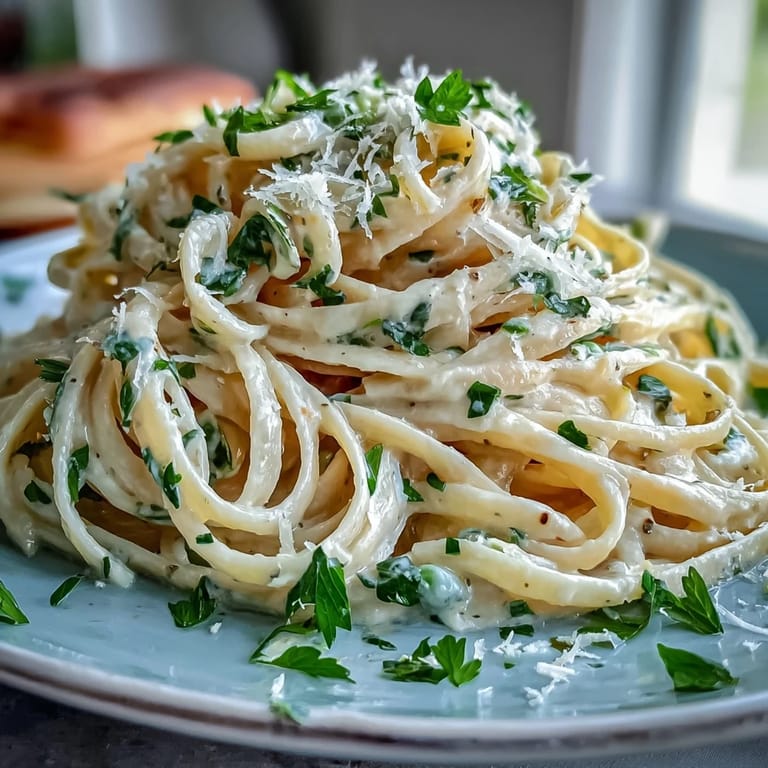
 There's something about the smell of butter hitting a hot pan that makes me feel like I've got my life together, even when I'm wearing yesterday's shirt and the kitchen is a mild disaster. This lemon butter pasta came into my rotation on a Tuesday when I had exactly three things in my fridge that weren't condiments—peas, butter, and a lemon that had been quietly judging me for a week. Twenty-five minutes later, I had something so bright and silky it felt almost unfair how easy it was. The kind of dish that tastes like you actually planned dinner instead of improvising at 6 PM.
I made this for my sister last spring when she showed up unannounced looking exactly how I felt—tired and craving something that didn't come out of a freezer. She sat at the counter while I zested lemon, and by the time we sat down to eat, she'd already forgiven whatever I'd said to upset her last month. Food's funny that way sometimes. It's not about the ingredients; it's about the moment when someone tastes something you made and goes quiet for a second, and you know you got it right.
Ingredients
- Linguine or spaghetti, 12 oz: The pasta is your canvas here, so use something you actually like eating—it genuinely matters because you'll taste every strand.
- Fresh or frozen green peas, 1 cup: If you use frozen, don't thaw them first; they'll cook perfectly right in the pan and stay bright green instead of turning sad and dull.
- Garlic, 2 cloves minced: Mince it small and stay close by once it hits the butter—this is the one moment where timing actually matters.
- Lemon zest and juice, from 1 lemon: Use a microplane zester if you have one; it makes the zest fluffy and it'll distribute more evenly through the pasta.
- Fresh parsley, 2 tbsp chopped: Don't skip this—it's the green confetti that makes your plate look intentional.
- Unsalted butter, 4 tbsp: Room temperature butter is easier to work with, but honestly any butter works; it's not that precious.
- Parmesan cheese, 1/2 cup grated: Grate it yourself if you can; the pre-grated stuff has anti-caking agents that prevent the sauce from getting truly silky.
- Salt and black pepper: Taste as you go because pasta water is already salty and Parmesan brings its own salt too.
Tired of Takeout? 🥡
Get 10 meals you can make faster than delivery arrives. Seriously.
One email. No spam. Unsubscribe anytime.
Instructions
- Boil your pasta water generously:
- Fill a large pot with water and salt it like you're seasoning soup, not just rinsing something. The pasta will absorb salt and flavor from the water, and you'll thank yourself when the first bite doesn't taste bland.
- Cook the pasta until it's actually al dente:
- This is not the time to be timid—pull a strand at 8 minutes and taste it, then keep checking every 30 seconds after that. You want it to have a tiny bit of resistance, not mushy, not hard.
- Save your pasta water before draining:
- This is liquid gold and the secret to why restaurant pasta tastes better than ours—it's starchy and will turn your sauce creamy without cream. Reserve about 1 cup in a measuring cup or mug so you can add it back gradually.
- Melt butter and toast the garlic gently:
- Medium heat, butter foaming slightly, then garlic goes in for about 1 minute until you can really smell it but it's still pale. If it starts to brown, you've gone too far and it'll taste bitter.
- Cook the peas until just tender:
- Fresh peas take about 2 to 3 minutes and should still snap slightly when you bite one; frozen peas need less time, maybe 2 minutes, and you're just heating them through. Don't overcook or they'll turn mealy.
- Add the lemon and let it brighten everything:
- Zest goes in first so the oils release into the warm butter, then juice comes in and the whole pan smells amazing. Stir it around for 15 seconds and you'll see the sauce start to come together.
- Combine pasta with the sauce and work your magic:
- Add the drained pasta and 1/2 cup of that precious starchy water, then toss constantly for about 1 minute. The starch will emulsify with the butter and lemon juice and create something that coats every noodle.
- Finish with Parmesan and seasoning:
- Sprinkle the cheese over everything and keep tossing so it melts evenly and doesn't clump up. Taste it before you add salt because the pasta water and Parmesan are already doing a lot of work.
- Add parsley and serve immediately:
- Fresh herbs belong at the end, not cooked into oblivion, so stir them in right before plating. Serve right away with extra cheese and pepper on the side so people can adjust it to their taste.
 Save to Pinterest
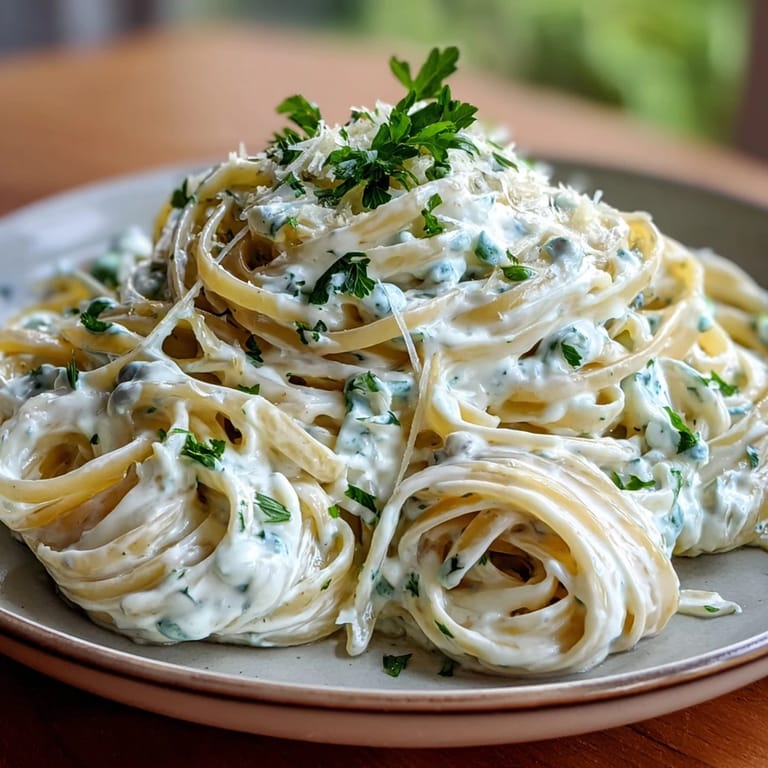
 My neighbor asked for this recipe after I sent her home with leftovers, and she came back the next week to tell me her kid actually ate vegetables without a fight. That's when I realized this isn't just pasta—it's a small quiet way to make people's evenings a little bit better.
Why This Works as Dinner
There's no stress in this dish and that matters more than you'd think. You're not managing multiple temperatures or timing, just one skillet doing its thing while pasta boils nearby. By the time your pasta is done, your sauce is basically ready, and the whole thing comes together in the pan in about 90 seconds of actual cooking. It's the kind of recipe that lets you have a conversation while cooking instead of being tethered to the stove.
Making It Your Own
This is a base that actually wants you to play with it. The lemon-butter structure is strong enough to handle additions without falling apart, so you can add things based on what's in your fridge or what you're craving. I've made it with shrimp stirred in at the last second, and it turns into something fancy enough for guests. I've made it with spinach wilted into the pan at the end, and it feeds people who are trying to sneak vegetables into their diet.
The Lemon-Butter Formula You Can Use Elsewhere
Once you see how this sauce comes together, you'll start seeing it everywhere in your cooking. The basic idea—butter, acid from lemon, a little pasta water to emulsify, cheese to make it silky—works on vegetables, chicken, seafood, or anything you want to feel more special than it actually is. It's a technique that takes 5 minutes to understand and a lifetime to master, and it's honestly worth knowing.
- This same sauce works beautifully on roasted vegetables if you want to make pasta optional.
- Fresh herbs are flexible—mint or basil work just as well as parsley if you have them around.
- Make extra every time because reheating it with a splash of cream or more pasta water turns it into tomorrow's lunch that tastes just as good.
 Save to Pinterest
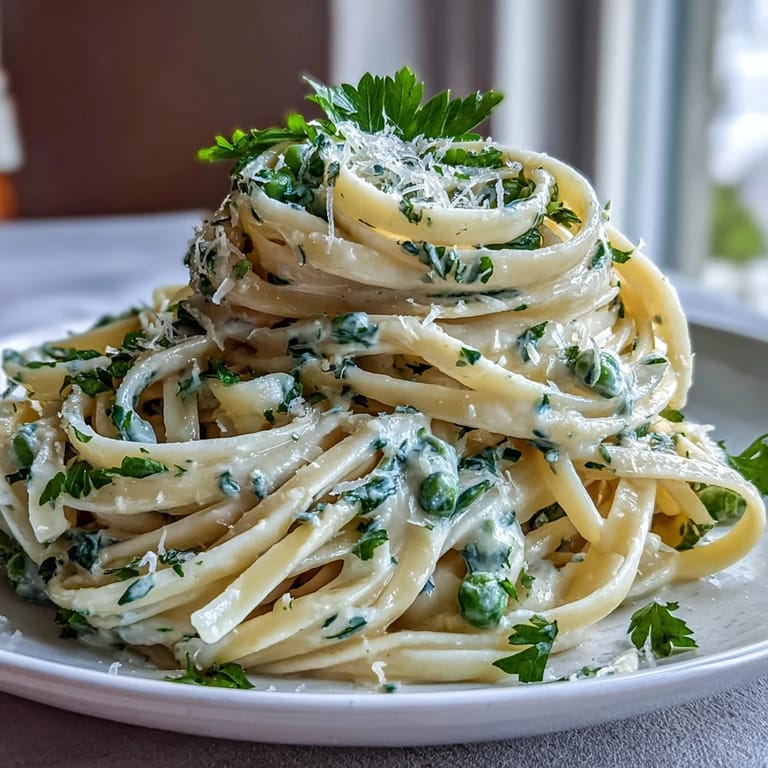
 This is the kind of dinner that feels like an accomplishment without requiring any actual effort, which is exactly what weeknight cooking should be. Make it whenever you need proof that simple things done well are always worth the small amount of attention they ask for.
Recipe FAQs
- → What type of pasta works best with this dish?
Linguine or spaghetti are ideal as they hold the lemon-butter sauce well and complement the peas' texture.
- → Can I use frozen peas instead of fresh?
Yes, frozen peas can be used. Cook them until heated through and tender before combining with the sauce.
- → How do I achieve a creamy sauce without cream?
Reserving pasta water and adding it while tossing helps emulsify the butter and cheese, creating a silky, creamy texture.
- → Is it possible to add protein to this dish?
Certainly. Adding sautéed shrimp or grilled chicken enhances protein content without overpowering the delicate flavors.
- → What can I serve alongside this pasta?
A crisp Sauvignon Blanc pairs beautifully, and adding a simple green salad or steamed vegetables complements the meal well.