 Save to Pinterest
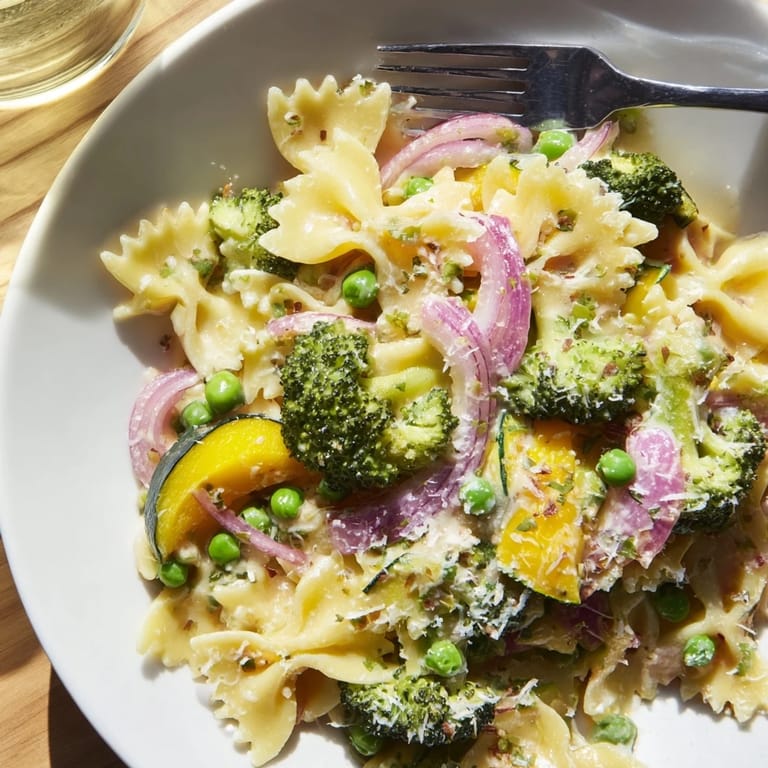
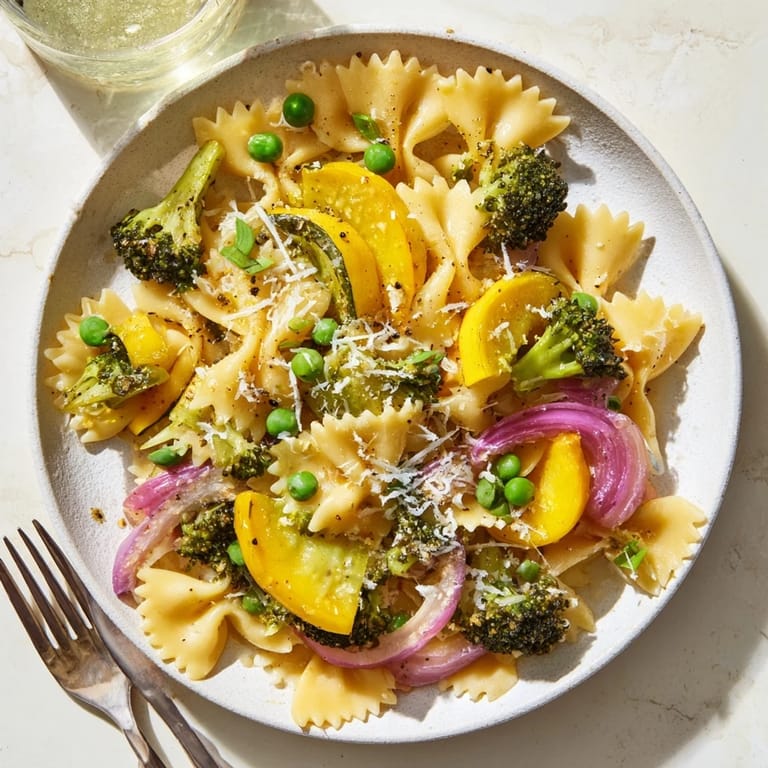
 The first time I made this primavera, I was halfway through chopping vegetables when my roommate walked in and asked if I was cooking a garden salad by mistake. All those colors spread across the counter, cherry tomatoes and bright yellow squash, red peppers and green asparagus, it did look like I'd raided a farmers market stand. But something about tossing all that rainbow goodness into a single bowl felt exactly right, especially when the garlic hit the hot oil and that fragrance filled the whole apartment.
Last spring my neighbor planted her first vegetable garden and ended up with more squash and tomatoes than she knew what to do with. I brought over a big bowl of this pasta, and we sat on her back porch watching the sun go down, picking out which vegetables we could taste in each bite. There's something about eating food this fresh that makes conversation flow easier, like the colors themselves are doing some of the work.
Ingredients
- 340 g (12 oz) bow-tie pasta: Those little bows catch all the vegetable pieces and sauce in their folds, which I learned after trying this with spaghetti and watching everything slide right off the plate
- 1 cup cherry tomatoes, halved: They burst slightly when tossed with hot pasta, releasing their juices into the olive oil and creating little pockets of sweetness throughout the dish
- 1 cup asparagus, cut into pieces: Spring asparagus has this natural sweetness that mellows out when cooked, balancing the sharper vegetables
- 1 cup red bell pepper, thinly sliced: Red peppers add a crunch and sweetness that makes the whole bowl feel more substantial
- 1 cup yellow squash, sliced: The soft texture of cooked squash contrasts beautifully with still-crunch peppers and onions
- 1 cup broccoli florets: Broccoli holds up to the heat without turning mushy, maintaining its bite even after tossing with hot pasta
- 1 cup carrots, julienned: Something about ribbons of carrot throughout makes the dish feel elegant, like you tried harder than you actually did
- 1/2 cup red onion, thinly sliced: Raw onion might feel too sharp, but quick cooking mellows it into just enough bite to keep things interesting
- 1/2 cup frozen peas: My secret for adding sweetness and pops of bright green without any extra prep work
- 3 tbsp extra-virgin olive oil: Good olive oil is what ties all these vegetables together, creating that silky coating that makes restaurant pasta feel special
- 3 cloves garlic, minced: Fresh garlic, not jarred, makes a difference you can taste in every single bite
- 1/2 tsp crushed red pepper flakes: Even if you think you don't like heat, this tiny amount just wakes everything up without overwhelming
- Zest of 1 lemon: The oils in the zest brighten all the vegetables in a way juice alone can't quite achieve
- 2 tbsp fresh lemon juice: Acid cuts through the olive oil and makes each vegetable taste more like itself
- 1/4 cup grated Parmesan cheese: Optional, but that salty richness creates this perfect balance with the fresh vegetables
- 2 tbsp each fresh basil and parsley: Don't skip the herbs, they're what make the dish taste alive instead of just cooked
Tired of Takeout? 🥡
Get 10 meals you can make faster than delivery arrives. Seriously.
One email. No spam. Unsubscribe anytime.
Instructions
- Get your pasta water going first:
- Bring a large pot of salted water to a boil and cook the bow-tie pasta until al dente, which usually means a minute or two less than the package suggests. Before draining, scoop out about half a cup of the starchy cooking water, that liquid gold that will help create your sauce later.
- Warm the garlic and oil:
- While the pasta bubbles away, heat 2 tablespoons of olive oil in a large skillet over medium heat and add the minced garlic with red pepper flakes if you're using them. Let them sizzle for just one minute, watching carefully, because garlic goes from fragrant to bitter faster than you'd think.
- Start your hardest vegetables:
- Add the carrots, broccoli, and asparagus to the skillet, sauting for 3 to 4 minutes until they start to soften but still have some bite. You're not cooking them all the way through here, just getting them started.
- Add the remaining vegetables:
- Toss in the red onion, bell pepper, and yellow squash with a pinch of salt, cooking for another 3 to 4 minutes until everything is tender but still colorful and vibrant.
- Finish with the delicate ones:
- Stir in the cherry tomatoes and frozen peas, cooking for just 2 minutes until heated through but still holding their shape.
- Bring it all together:
- Add your drained pasta to the skillet along with the remaining tablespoon of olive oil, lemon zest, and lemon juice. Toss everything together, adding that reserved pasta water a little at a time until the sauce looks silky and coats each piece of pasta.
- Season and finish:
- Taste and add more salt and pepper if needed, then remove from heat and toss with Parmesan, basil, and parsley until the herbs are fragrant and everything looks impossibly colorful together.
 Save to Pinterest
 This recipe became my go-to for potluck dinners after I brought it to a summer gathering and watched three different people ask for the recipe before they'd even finished their first serving. Something about all those colors in one bowl makes people happy before they even take a bite.
Making It Your Own
One of the best things about primavera is how forgiving it is, which I discovered when I made it with whatever vegetables I had left in the crisper drawer. As long as you keep the total amount roughly the same and think about cooking times, you can swap in whatever looks good at the market or whatever needs using up in your fridge.
Getting The Timing Right
The secret is starting your vegetables in the skillet while the pasta cooks, so everything finishes at roughly the same time. I've had nights where I got distracted and ended up with perfectly cooked pasta and raw vegetables, which is still edible but definitely not the experience you're going for.
Serving Suggestions
This pasta works beautifully as a main course but also shines as a side dish alongside grilled fish or chicken. I've found that a simple green salad with a vinaigrette is all you need to make a complete meal, plus maybe some crusty bread if you want to soak up every last drop of that garlic olive oil sauce.
- Let the pasta rest for 5 minutes before serving, the flavors meld together
- Keep some extra lemon wedges on the table for those who love extra brightness
- This dish is best eaten the same day, as the vegetables lose their crunch overnight
 Save to Pinterest
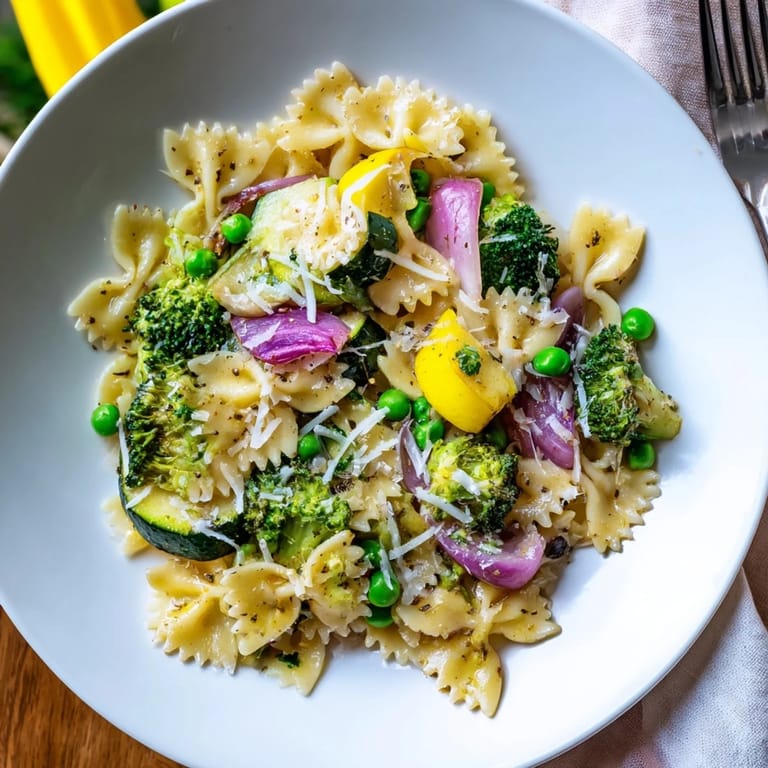
 There's something deeply satisfying about sitting down to a bowl of pasta that looks this beautiful and tastes this fresh, like you've somehow captured the season on a plate. I hope this brings a little color to your table too.
Recipe FAQs
- → How do I achieve al dente pasta?
Cook your bow-tie pasta according to package instructions but check it 1-2 minutes before the suggested time. The pasta should be tender but still have a slight firmness when bitten. Reserve pasta water before draining, as it helps create a silky sauce when needed.
- → Can I prepare the vegetables ahead of time?
Yes, you can prep all vegetables in advance and store them in separate containers in the refrigerator for up to 24 hours. This makes assembly much faster when you're ready to cook. However, cook them fresh just before serving to maintain their vibrant colors and crisp-tender texture.
- → What makes the sauce silky without cream?
The reserved pasta water contains starch that emulsifies with the olive oil, creating a light silky coating. Start with a small amount and add more as needed while tossing. The lemon juice also brightens and enhances the sauce's overall flavor.
- → Which vegetables can I substitute?
This dish is highly versatile. Try zucchini, snap peas, green beans, artichoke hearts, or sun-dried tomatoes. Stick with vegetables that cook quickly at medium heat and maintain vibrant colors. Keep a balance of colors and textures for the best presentation.
- → How do I make this dish vegan?
Simply omit the Parmesan cheese or substitute it with a plant-based alternative. All other ingredients are naturally plant-based. The fresh herbs and lemon provide plenty of flavor and richness without dairy.
- → What wine pairs best with this dish?
Crisp white wines work beautifully with the fresh lemon and vegetables. A Sauvignon Blanc or Pinot Grigio complements the light garlic sauce and herbaceous flavors perfectly. These wines cut through the olive oil richness while enhancing the dish's freshness.