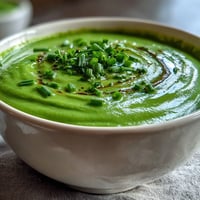
 Save to Pinterest
 There's something about roasted parsnips that stopped me in my tracks the first time I actually paid attention to them. I'd walked past them a hundred times at the market, those pale root vegetables that seemed boring until my neighbor handed me a bag one autumn afternoon and insisted I try roasting them. That evening, my kitchen filled with this unexpected sweetness, almost caramel-like, and I realized I'd been missing something delicious the whole time. This soup became my way of celebrating that discovery, turning humble parsnips into something silky and elegant that feels like a proper meal.
I made this soup for my friend Marcus on a particularly grey November evening, and he brought his daughter along unexpectedly. She took one spoonful and asked for seconds without even trying the bread, which felt like winning the parenting lottery for him. That moment reminded me that the best recipes aren't the complicated ones—they're the ones that somehow make people feel understood and cared for, even in the simplest way.
Ingredients
- Parsnips (800 g): The star of this show, and roasting is non-negotiable—it concentrates their natural sugars and gives the soup its character.
- Potato (1 medium): Not just filler; it adds creaminess when blended and helps thicken the soup naturally without cream overload.
- Onion and garlic (1 medium onion, 2 cloves): These form the aromatic base, and roasting them mellows any harshness so they integrate smoothly.
- Vegetable stock (1 L): Use a good quality one or make your own if you're feeling ambitious—it really does matter.
- Milk (200 ml): Whole milk gives the richest finish, but plant-based versions work beautifully if that's your preference.
- Olive oil (2 tbsp): Use it generously for roasting; it's what creates those golden, caramelized edges.
- Fresh herbs (parsley, chives, dill): These are what turn a good soup into a memorable one—they hit your palate with brightness right at the end.
- Bay leaf and thyme: The backbone of flavor during cooking; remove the bay leaf before blending or you'll regret it.
- White pepper and salt: White pepper gives a subtle warmth without dark specks; taste as you season because stock already contains salt.
Tired of Takeout? 🥡
Get 10 meals you can make faster than delivery arrives. Seriously.
One email. No spam. Unsubscribe anytime.
Instructions
- Get your oven ready and prep the main vegetables:
- Preheat to 200°C and while that's happening, peel and chop your parsnips into roughly 3 cm chunks—uniform sizes mean they'll roast evenly. Chop your onion into similar-sized pieces and leave garlic cloves whole.
- Roast until golden and fragrant:
- Toss everything with olive oil, spread on a baking tray in a single layer, and let them roast for 25–30 minutes, stirring halfway through. You're looking for deep golden edges and a kitchen that smells like caramelized sweetness.
- Build the soup foundation:
- Transfer your roasted vegetables to a large saucepan, add the diced potato, bay leaf, thyme, white pepper, and stock. Bring to a boil, then drop the heat and let it simmer gently for about 15 minutes until the potato is completely soft and falling apart.
- Blend until silky smooth:
- Fish out that bay leaf first—trust me on this. Then use an immersion blender right in the pan or carefully transfer to a regular blender in batches, blending until there's no graininess left, just velvety smoothness.
- Finish with cream and herbs:
- Pour the soup back into the pan if you used a regular blender, add your milk, and warm it through gently without letting it boil. Stir in all your fresh herbs right before serving.
- Serve with a flourish:
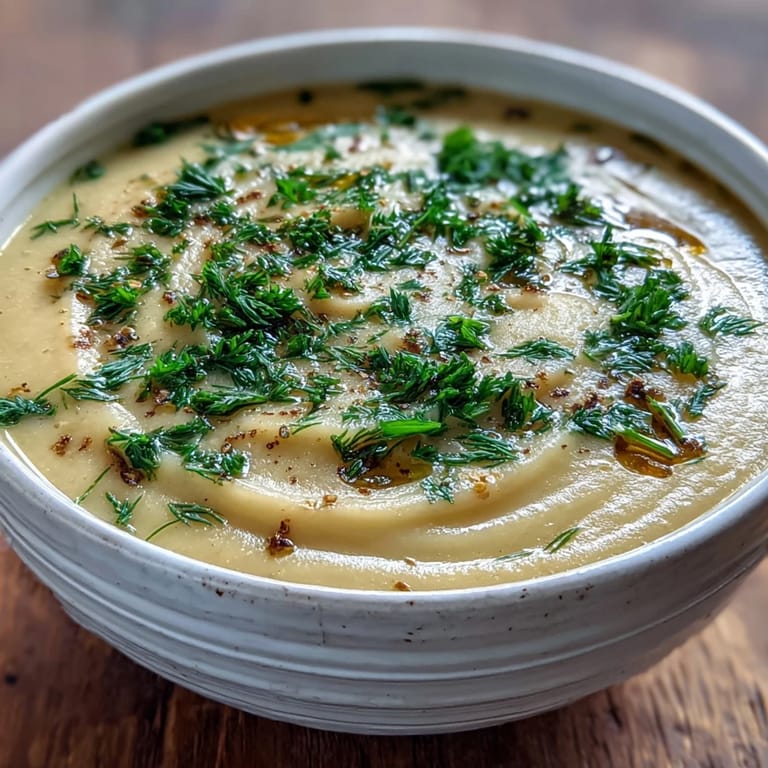
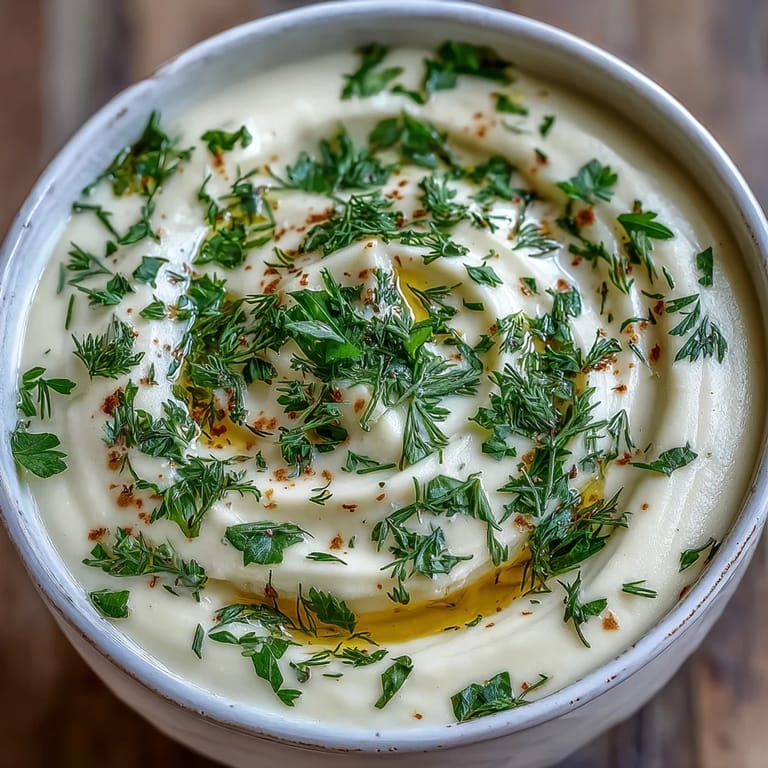
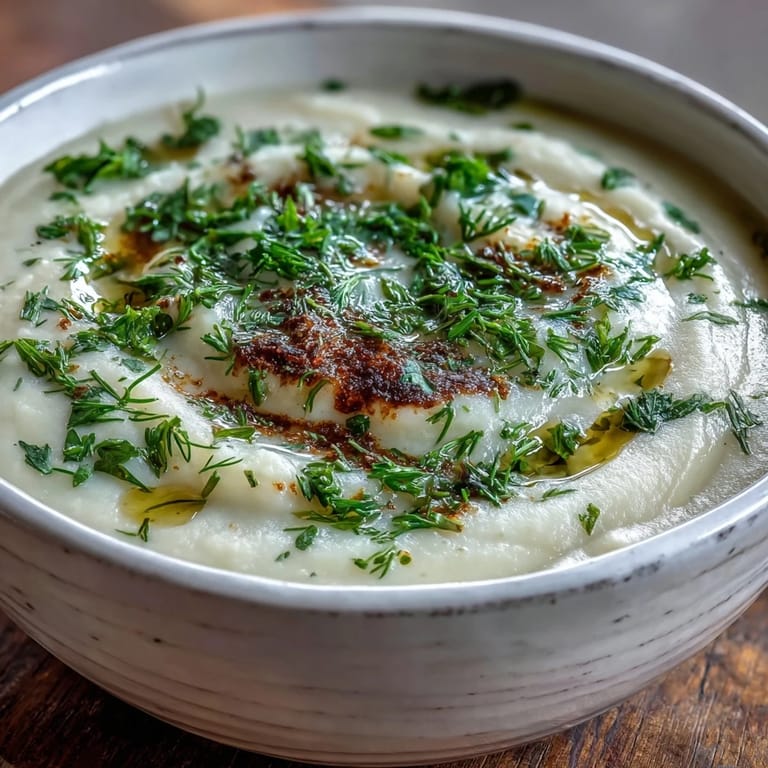
- Ladle into bowls and top with an extra pinch of fresh herbs and a swirl of olive oil or cream if you're feeling indulgent.
 Save to Pinterest
 My partner once called this soup 'the reason I don't mind winter,' and honestly, that stuck with me. It's the kind of dish that works as a quiet lunch alone or as an elegant starter when people come over, and it somehow makes both feel like the right occasion.
The Magic of Roasting
Roasting vegetables isn't just a technique—it's a flavor amplifier that actually changes what you're cooking at a chemical level. The dry heat caramelizes natural sugars, creating complexity that you simply cannot achieve by boiling or steaming. I learned this the hard way after making soup the 'quick' way once and being genuinely disappointed with myself. Now I treat roasting as non-negotiable, not because the recipe demands it, but because it's what makes this soup worthy of your time.
Making It Your Own
This recipe is genuinely flexible, and that's partly why it's become a regular in my kitchen. A tiny pinch of nutmeg adds warmth without being obvious, while a whisper of smoked paprika takes it in a completely different direction. I've added leeks when parsnips seemed tired at the market, or swapped the chives for tarragon when that felt right. The structure stays the same—roast, simmer, blend, finish with herbs—but the personality changes based on what speaks to you.
Serving and Storage Wisdom
This soup actually improves slightly the next day as flavors settle and deepen, so it's perfect for meal prep if you're thinking ahead. It keeps well in the fridge for three days and freezes beautifully for up to three months—I usually freeze it before adding the fresh herbs, then stir those in after reheating so they stay bright and lively. Serve it with crusty bread for a simple dinner, or pair with a crisp Sauvignon Blanc if you're doing something more deliberate.
- Always taste and adjust salt after blending, because flavors concentrate as the soup cooks.
- If your soup seems too thick, warm stock or milk added gradually gets you to the right consistency without watering down flavor.
- Fresh herbs really do matter at the end—don't skip them thinking it's just garnish, because they're what makes this soup sing.
 Save to Pinterest
 This soup has quietly become one of those recipes I make without thinking, the way you'd reach for a favorite sweater when the weather turns cold. It asks for your attention just enough to feel intentional, but not so much that it becomes a burden.
Recipe FAQs
- → Can I freeze this soup?
Yes, this soup freezes beautifully. Cool completely before transferring to airtight containers. It will keep for up to 3 months in the freezer. Thaw overnight in the refrigerator and reheat gently, adding a splash of milk or stock if needed to restore consistency.
- → What herbs work best in parsnip soup?
Fresh parsley and chives provide classic flavor combinations, while dill adds a lovely aromatic touch. Thyme enhances the earthy notes during cooking. Avoid strong herbs like rosemary or sage, which can overpower the delicate sweetness of the parsnips.
- → Do I need to peel parsnips?
Peeling is recommended for the smoothest texture, as parsnip skins can be tough and fibrous. Large parsnips may also have a woody core that should be removed. Young, small parsnips can sometimes be scrubbed well and left unpeeled if you prefer a more rustic preparation.
- → How do I make this soup vegan?
Simply substitute the whole milk with your preferred unsweetened plant-based milk—oat, almond, or cashew work beautifully. Omit any cream garnish or use a dollop of coconut cream or vegan yogurt. Ensure your vegetable stock is certified vegan.
- → Why roast the vegetables first?
Roasting caramelizes the natural sugars in parsnips and onions, creating deeper flavor and golden-brown notes. This step elevates the soup from simple to sophisticated, adding complexity that boiling alone cannot achieve. The extra 30 minutes of hands-off roasting time is absolutely worth the enhanced taste.
- → What can I serve with this soup?
Crusty bread, warm rolls, or rustic soda bread make perfect accompaniments. A light side salad with vinaigrette balances the richness. For a complete meal, top with toasted seeds or croutons. The soup also pairs excellently with aged cheddar or goat cheese crostini.