 Save to Pinterest
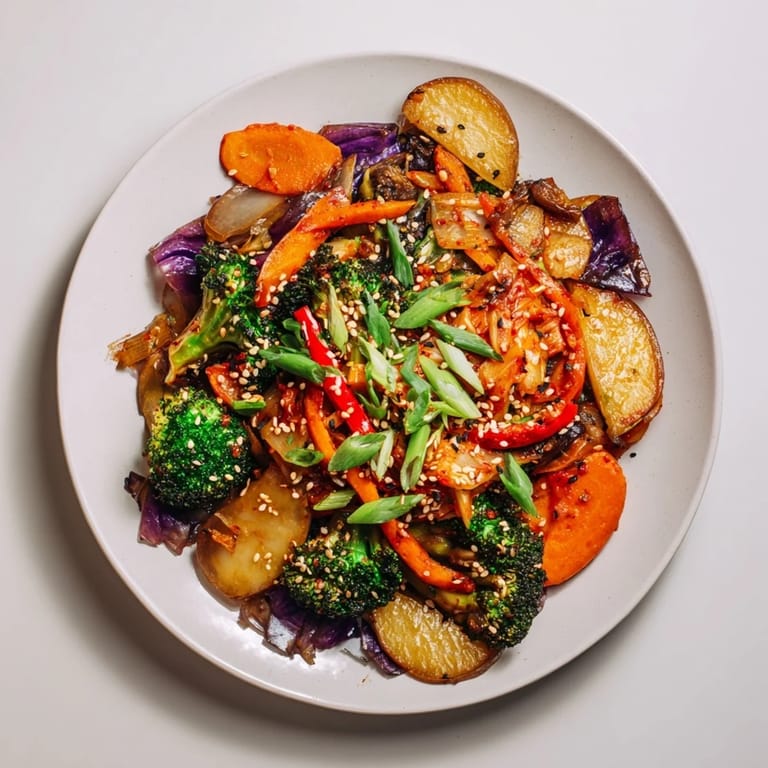
 The first time I made this stir-fry during a particularly brutal January, my kitchen was so cold I could see my breath. I'd just discovered kimchi at a local market and was obsessed with finding ways to use it beyond just a side dish. Something about combining those hearty winter vegetables with the bright, fermented kick felt like exactly what my body was craving. That night, eating it straight from the wok while snow fell outside, I knew I'd found my winter comfort food.
Last winter, my neighbor Sarah dropped by unexpectedly while I was making this. The smell of toasted sesame oil and ginger had drifted into the hallway, drawing her in. We ended up eating standing up at the counter, talking about how fermented foods became our winter obsession. She texted me the next day saying she'd made it three times that week.
Ingredients
- 1 small head broccoli: Cut into bite-sized florets, these hold up beautifully during high-heat cooking and maintain a satisfying crunch
- 2 medium carrots: Slice them on the bias for more surface area which means better flavor absorption and prettier presentation
- 1 small parsnip: Often overlooked, this adds a subtle sweetness that bridges the gap between the savory sauce and earthy vegetables
- 1 small sweet potato: Cut into thin matchsticks so they cook through quickly without becoming mushy
- 1 cup shredded green cabbage: Adds fresh texture and absorbs all those delicious sauce flavors
- 1 red bell pepper: Sliced thin for bursts of sweetness and gorgeous color contrast
- 1 tablespoon fresh ginger: Grated fresh is non-negotiable here, the warmth it provides is the backbone of the whole dish
- 2 cloves garlic: Minced finely so it distributes evenly without burning
- 2 tablespoons toasted sesame oil: The toasted variety makes all the difference in depth of flavor
- 2 tablespoons soy sauce or tamari: Tamari if you need it gluten-free, otherwise regular soy sauce works perfectly
- 1 tablespoon rice vinegar: Cuts through the richness and brightens everything up
- 1 teaspoon maple syrup or honey: Just enough to balance the saltiness and bring out the natural sweetness of the vegetables
- 1 cup kimchi: Chopped into bite-sized pieces, preferably well-fermented for that deep tangy flavor
- 2 green onions: Sliced thin for a fresh finish and pop of color
- 1 tablespoon toasted sesame seeds: The final touch that adds nuttiness and beautiful texture
Tired of Takeout? 🥡
Get 10 meals you can make faster than delivery arrives. Seriously.
One email. No spam. Unsubscribe anytime.
Instructions
- Prep your mise en place:
- Have all vegetables chopped and aromatics ready before you turn on the heat, stir-frying happens fast and you wont have time to chop once cooking starts
- Heat your wok:
- Warm the sesame oil over medium-high heat until it shimmers and you can smell the toasty aroma
- Bloom the aromatics:
- Add ginger and garlic, stirring constantly for just 30 seconds until fragrant but not browned
- Add the hard vegetables:
- Toss in carrots, parsnip, sweet potato, and broccoli, stir-frying for 4 to 5 minutes until they start to soften and develop golden edges
- Add the softer vegetables:
- Add cabbage and bell pepper, continuing to stir-fry for another 3 to 4 minutes until everything is crisp-tender
- Make the sauce:
- Whisk together soy sauce, rice vinegar, and maple syrup in a small bowl until the maple syrup dissolves completely
- Add the sauce:
- Pour the sauce over the vegetables and toss quickly to coat everything evenly, letting it bubble for just a moment
- Finish with kimchi:
- Remove from heat and gently fold in the chopped kimchi, being careful not to cook it so those beneficial probiotics stay intact
- Garnish and serve:
- Top with green onions and sesame seeds, serving immediately while everything is still hot and vibrant
 Save to Pinterest
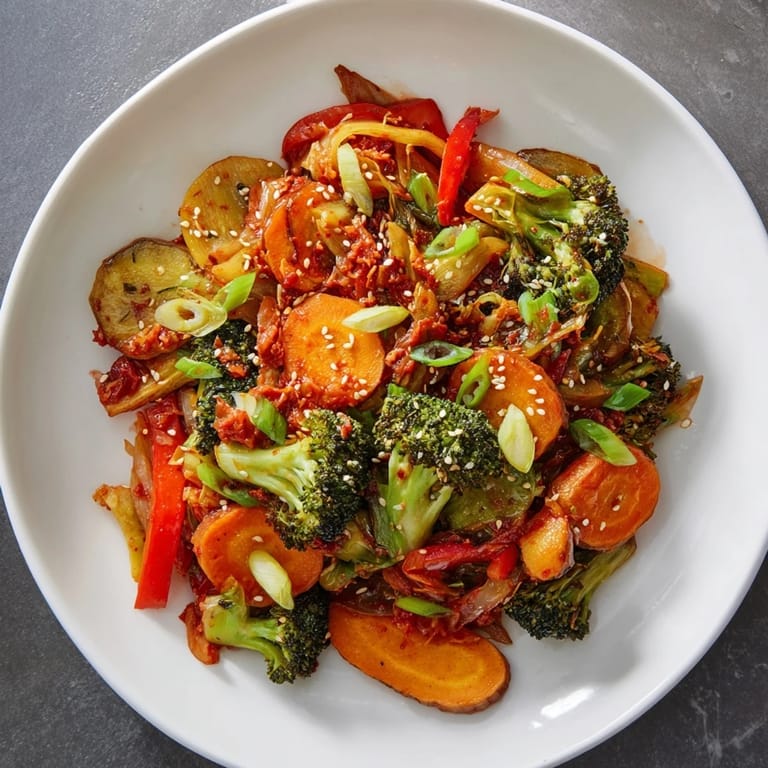
 This recipe became my go-to when my sister was recovering from surgery and couldn't handle heavy foods. She texted me after her third serving saying it was the first time in weeks she'd felt truly nourished instead of just fed. Sometimes food really is medicine.
The Kimchi Factor
I've learned that not all kimchi is created equal for this dish. The older and more fermented your kimchi, the deeper and more complex your stir-fry will taste. Fresh kimchi works fine, but that jar that's been sitting in your fridge for a month that you're not sure about anymore, that's the gold standard here.
Winter Vegetable Wisdom
Root vegetables can feel intimidating if you're used to quick-cooking summer produce. The trick is cutting everything uniformly and starting with the hardest vegetables first. Once you understand that rhythm, winter stir-fries become just as quick and easy as anything you'd make in July.
Making It Your Own
This recipe is incredibly forgiving based on what you have in your crisper drawer. I've made it with turnips instead of parsnips, added snow peas in spring, and thrown in shredded kale when that's what needed using. The magic happens in the sauce and kimchi combination, everything else is just supporting cast.
- If you like heat, add a teaspoon of gochujang to the sauce mixture
- Extra protein like tofu or edamame makes this a complete standalone meal
- Leftovers actually taste better the next day as flavors meld together
 Save to Pinterest
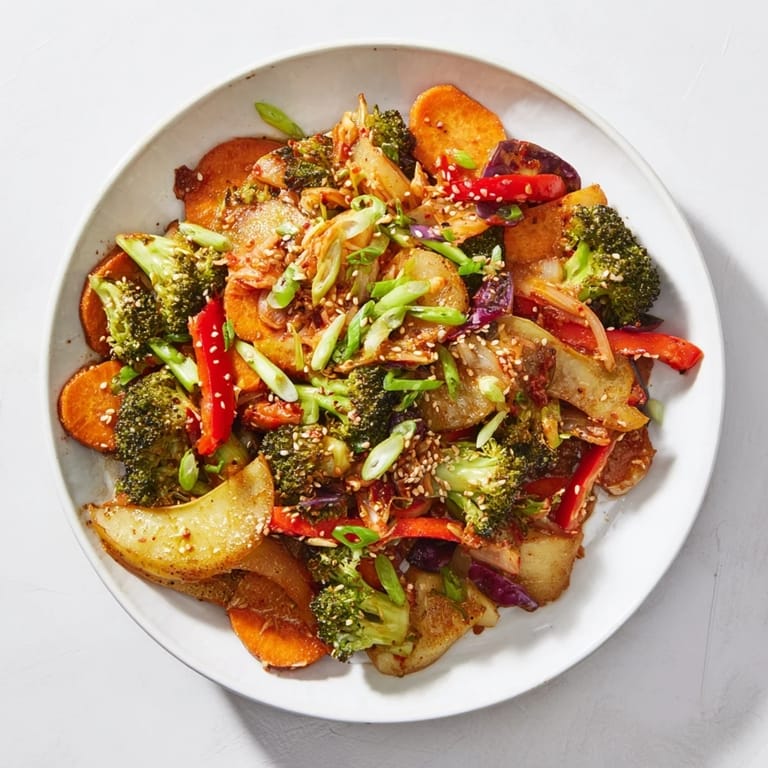
 Hope this brings as much warmth to your kitchen as it has to mine during these long winter months.
Recipe FAQs
- → Can I make this dish gluten-free?
Yes, simply substitute tamari for the soy sauce. Always check your kimchi label, as some varieties contain gluten-containing ingredients or fish sauce.
- → How do I store leftovers?
Store in an airtight container in the refrigerator for up to 3 days. Reheat gently in a skillet over medium heat, adding a splash of water if needed to prevent sticking.
- → Can I add protein to this stir-fry?
Absolutely. Tofu, tempeh, edamame, or cooked chickpeas work wonderfully. Add them during step 4 when stir-frying the harder vegetables.
- → What vegetables can I substitute?
Feel free to use turnips, rutabaga, kale, Brussels sprouts, or daikon radish. Adjust cooking times based on vegetable hardness, adding softer varieties later.
- → Why add kimchi at the end?
Adding kimchi off the heat preserves the beneficial probiotics and live cultures, which can be destroyed by high-temperature cooking. It also maintains the kimchi's crisp texture.
- → Is this suitable for meal prep?
Yes, this dish meal preps excellently. Cook the vegetables through step 6, then add fresh kimchi when reheating to maintain probiotic benefits and texture.