 Save to Pinterest
 My coworker Sarah brought one of these bowls to lunch last Tuesday, and I watched her arrange each component with the kind of intentional care usually reserved for plating at fancy restaurants. She caught me staring and laughed, saying the secret was that she'd started making them on Sundays and everything tasted better when she wasn't stressed about dinner. That single bowl—which somehow felt both casual and thoughtful—became my solution for weeknights when I couldn't decide what to cook but desperately wanted something good.
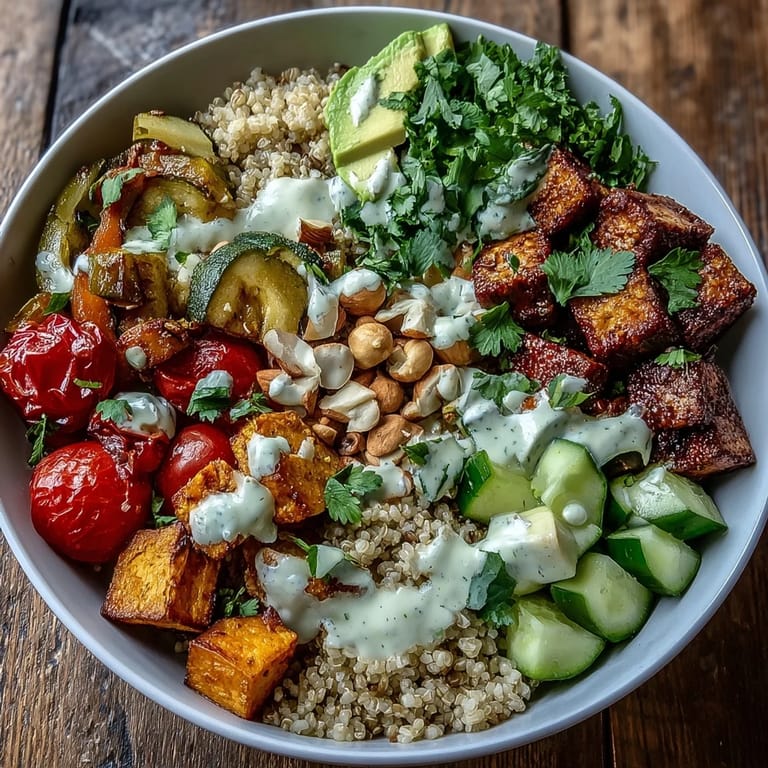
When my sister went vegan last year, I panicked about having something substantial to offer her when she visited. I threw together one of these bowls with quinoa, roasted chickpeas, and this green goddess dressing I'd made on a whim, and she sat there quietly for a moment before saying it was exactly what she needed. That's when I realized these bowls weren't about restriction at all—they were about abundance.
Ingredients
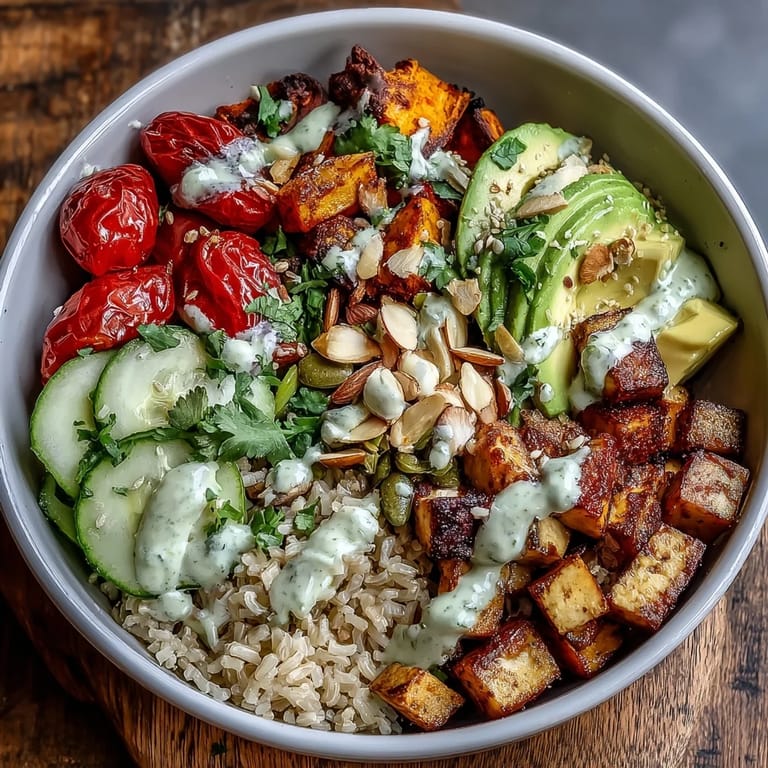
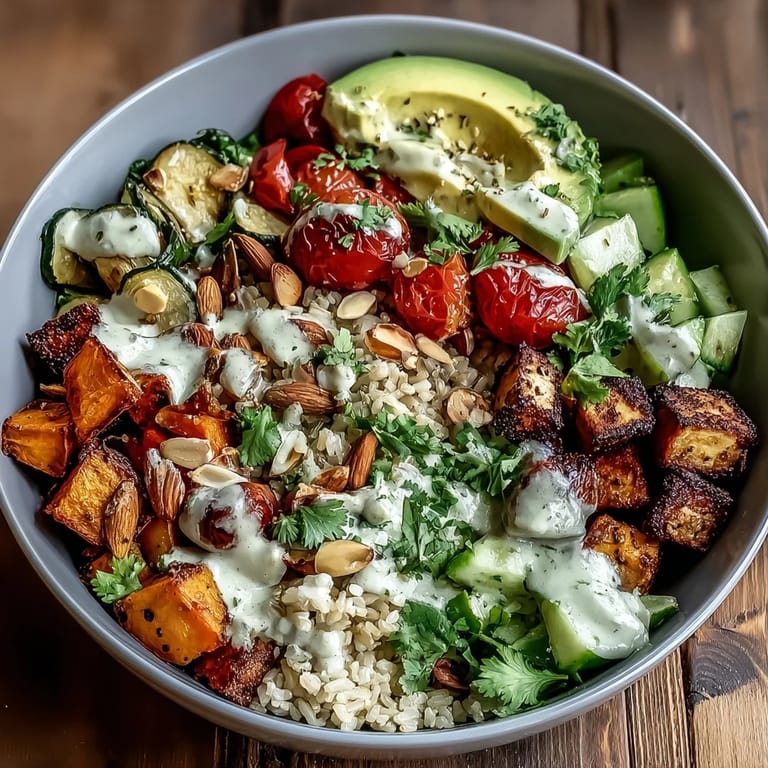
- Grains (brown rice, quinoa, farro, or couscous): Pick one or two depending on mood—brown rice is forgiving and feeds a crowd, quinoa has this nutty thing going on, and farro chews like you're actually eating something substantial.
- Proteins (chicken, tofu, chickpeas, or shrimp): Leftover protein from dinner two nights ago works brilliantly here, and chickpeas are your friend if you're feeding mixed diets at one table.
- Raw vegetables (cherry tomatoes, cucumber, carrots): These stay bright and crisp when you don't dress them until the last second, which I learned after a soggy experiment I'd rather forget.
- Roasted vegetables (sweet potato, broccoli, root vegetables): Roasting concentrates their sweetness and creates little caramelized edges that make eating vegetables feel less virtuous and more delicious.
- Avocado: Add this just before eating so it doesn't brown and get that sad, oxidized look that ruins the whole bowl's vibe.
- Toppings and extras (feta, seeds, nuts, fresh herbs): These aren't garnish—they're textural contrast and the reason you'll actually look forward to eating lunch.
- Dressing (tahini, balsamic, soy-ginger, or green goddess): Make this your own or use a bottle; the dressing is what ties everything together and makes it feel intentional instead of assembled.
Tired of Takeout? 🥡
Get 10 meals you can make faster than delivery arrives. Seriously.
One email. No spam. Unsubscribe anytime.
Instructions
- Start with your base grain:
- Cook according to package directions, then fluff it gently with a fork while it's still warm so each grain stays separate and light. Let it cool just enough to handle—slightly warm grains actually taste better than cold ones.
- Get your protein ready:
- Use leftovers if you have them, or spend fifteen minutes cooking what you need. Everything tastes better when it's seasoned properly, so don't skip salt and pepper here.
- Prep your vegetables with intention:
- Wash, chop, and decide which ones you're roasting—toss those with a little oil and salt and let them get golden in a hot oven while you handle the other components. Raw vegetables should be cut uniform enough that eating isn't awkward.
- Roast if you're using roasted vegetables:
- Spread them on a baking sheet at 400°F for about twenty minutes, stirring halfway through until they're caramelized at the edges. This is where the magic happens—their flavor deepens and sweetens.
- Arrange your bowl with care:
- Start with grains as your base, then layer protein and vegetables in sections around the bowl. This isn't just prettier; it actually lets you taste everything distinctly instead of it becoming one muddled bite.
- Add the good stuff on top:
- Sprinkle seeds, nuts, cheese if you're using it, and fresh herbs—these toppings should catch your eye when you look down at your bowl. The presentation part genuinely makes food taste better.
- Dress right before eating:
- Drizzle your chosen dressing over everything, or keep it on the side if you're meal prepping and planning to eat this tomorrow. A damp bowl is depressing; a freshly dressed bowl is dinner.
 Save to Pinterest
 My neighbor Marcus mentioned he'd started eating these bowls because his teenage son would actually choose them over pizza, and I remember him seeming genuinely amazed that food could be both nutritious and something a kid would ask for twice. That's the kind of magic these bowls have—they feel like you're choosing yourself, not being chosen for.
The Art of Building Your Bowl
There's something almost meditative about layering these bowls, like you're creating a small edible landscape. I used to think I was bad at cooking until I realized that building a great grain bowl is really about understanding contrast—soft grains against crispy vegetables, warm against cool, rich against bright. Once you see it that way, assembly becomes less about following rules and more about trusting yourself.
Dressings That Change Everything
The dressing can absolutely make or break your bowl, and I've learned this through trial and error—mostly error. Tahini-based dressings add richness and work beautifully with roasted vegetables, while vinegar-forward dressings brighten everything and cut through heavier proteins. Ginger-soy combinations bring warmth and depth, and if you're ever stuck, a green goddess dressing works with literally everything because it's basically herby magic.
Make It Your Own
The beauty of these bowls is that they adapt to what's actually in your kitchen and what your body wants that day. Some days you'll crave something warm and comforting; other days you want everything cold and crisp. Some days you're vegetarian, some days you're not, and this framework doesn't judge either choice—it just works.
- Keep cooked grains in your fridge and you can assemble a bowl in under five minutes any night of the week.
- Roasted vegetables freeze beautifully, so make a big batch on Sunday and eat them throughout the week.
- Don't skip the herbs and fresh elements—they're what turn meal prep from sad desk lunch to actually something you're excited to eat.
 Save to Pinterest
 These bowls taught me that eating well doesn't have to feel like a punishment or a project, just a small decision made with a little intention. Every time someone asks me what I'm eating and I describe the layers, they usually ask how they can make one too.
Recipe FAQs
- → What grains work best in these bowls?
Brown rice, quinoa, farro, and couscous all provide excellent bases. Choose hearty grains that hold their texture well when mixed with toppings and dressings.
- → How do I store components for meal prep?
Keep grains, proteins, and vegetables in separate airtight containers in the refrigerator. They stay fresh for 4-5 days. Assemble bowls just before eating to maintain texture and prevent sogginess.
- → Can I make this vegan?
Absolutely. Choose plant-based proteins like chickpeas or baked tofu, skip cheese, and use vegan-friendly dressings like lemon-tahini or balsamic vinaigrette.
- → What's the best way to add flavor?
Dressings tie everything together. Try soy-ginger for Asian-inspired bowls, balsamic for Mediterranean vibes, or tahini for creamy richness. Fresh herbs, toasted nuts, and pickled vegetables add extra depth.
- → How many vegetables should I include?
Aim for 3-4 different vegetables to maximize nutrition and color. Mix raw vegetables like cucumber and tomatoes with roasted options like sweet potatoes for varied textures and flavors.