 Save to Pinterest
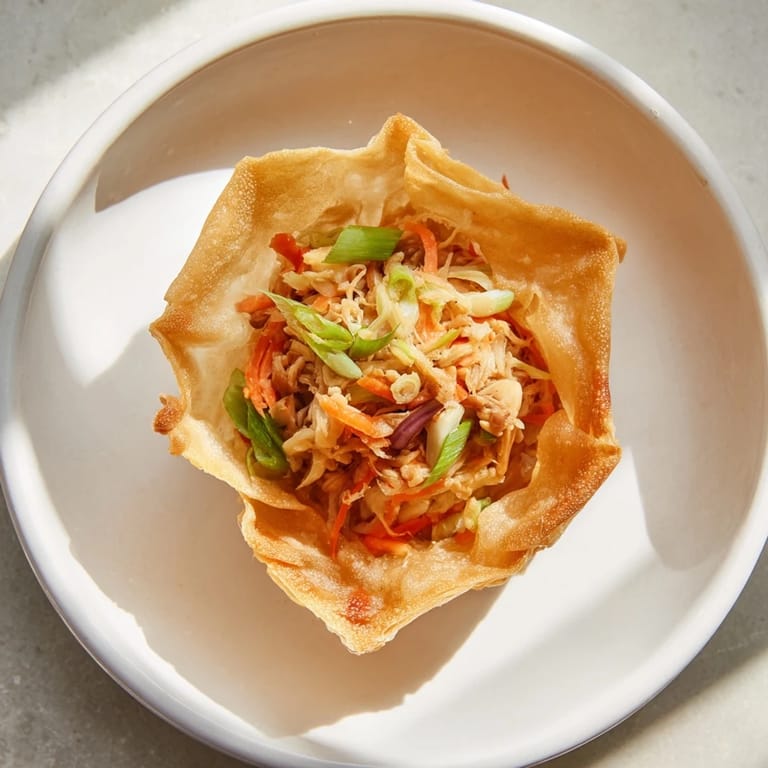
 The first time I made crispy rice paper dumplings, I was trying to recreate a late-night craving from a food stall I'd stumbled upon. My kitchen filled with the smell of sesame oil and sautéed mushrooms, and something about the way the rice paper turned golden in the pan felt like pure magic. I'd never worked with rice paper before, so I was nervous about tearing it, but that first batch turned out so good that I made them again the next weekend. Now they're my go-to when I want something that tastes impressive but doesn't actually take much effort.
I served these to my roommate who claimed she didn't like vegetables, and she ate four in a row without realizing what she was eating. When I told her what was inside, she just shrugged and asked if I could make them again next week. That moment taught me that crispy texture can change people's minds about vegetables in ways that careful seasoning sometimes can't.
Ingredients
- Green cabbage: Shredded fine so it releases moisture quickly when sautéed and creates that silky, cohesive filling that sticks together.
- Carrot: Grated carrots add natural sweetness and a subtle earthiness that balances the savory soy sauce.
- Shiitake mushrooms: These have an umami depth that regular button mushrooms can't touch, making the filling taste richer than it has any right to be.
- Green onions: Thinly sliced, they stay bright and add a sharp freshness that cuts through the richness of the oil.
- Garlic and ginger: The dynamic duo that makes everything smell incredible and taste more complex than the ingredient list suggests.
- Soy sauce and sesame oil: Together they create the backbone of flavor; the sesame oil especially is not negotiable if you want that authentic taste.
- Rice paper: Look for 22 cm sheets, not the super thin ones that tear if you breathe on them wrong, and not the thick ones that stay chewy.
- Neutral oil for frying: I use avocado oil because it has a higher smoke point and doesn't overpower the delicate filling flavors.
Tired of Takeout? 🥡
Get 10 meals you can make faster than delivery arrives. Seriously.
One email. No spam. Unsubscribe anytime.
Instructions
- Mix your filling:
- Combine cabbage, carrot, mushrooms, green onions, garlic, soy sauce, sesame oil, and ginger in a large bowl. Don't overthink it; you're just getting everything evenly distributed so every dumpling tastes the same.
- Sauté and cool:
- Heat a nonstick skillet over medium heat and add your filling. Cook for 3 to 4 minutes, stirring occasionally, until the vegetables just start to soften and release their moisture. This step matters because it prevents the rice paper from getting soggy, and it also helps the flavors meld. Let it cool slightly before assembling so you don't burn your fingers.
- Prepare your workspace:
- Fill a shallow dish with warm water and lay out a damp kitchen towel. This is your assembly line, and having everything within arm's reach makes the process smooth.
- Work with the rice paper:
- Dip one sheet of rice paper into the warm water for about 5 to 10 seconds, just until it becomes pliable. This is the part where people panic, but trust me: it should feel delicate, almost fragile. Over-soaking makes it tear.
- Fill and roll:
- Place the softened rice paper on your damp towel. Put 2 tablespoons of filling in the center, fold in the sides, then roll it up tightly like a burrito. The tighter you roll, the crispier it gets later.
- Heat your oil and fry:
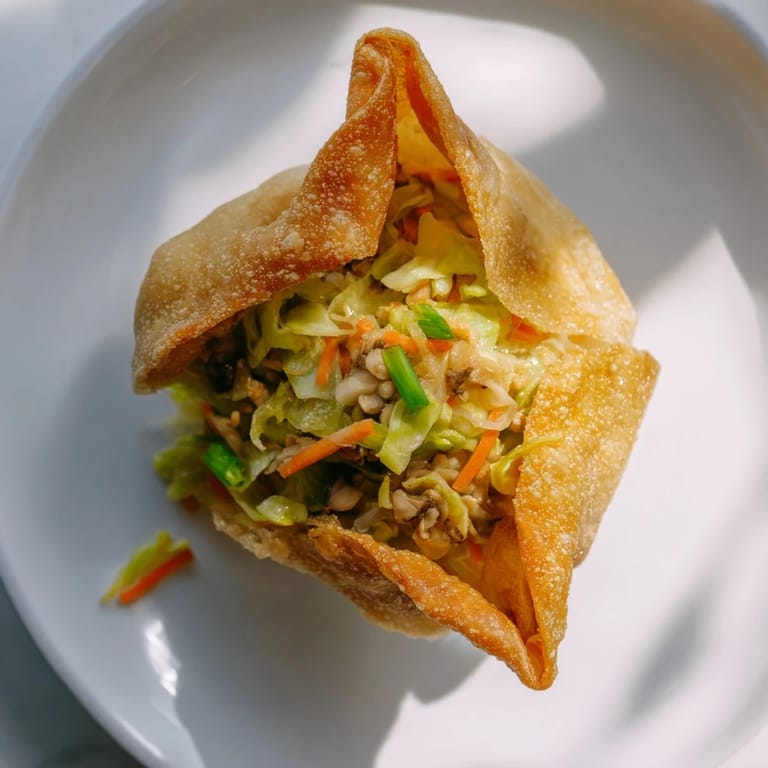
- Heat oil in a nonstick skillet over medium heat. Place dumplings seam side down, leaving space between each one so they can crisp up instead of steaming. Cook for 2 to 3 minutes per side until golden and shatteringly crispy.
- Make the dipping sauce:
- While the dumplings are cooking, mix soy sauce, rice vinegar, maple syrup, and chili flakes in a small bowl. Taste it and adjust; it should balance salty, sour, and a touch of sweetness.
- Serve immediately:
- Crispy rice paper dumplings are best enjoyed hot, when the outside is still crackling. Serve with the dipping sauce and watch people's faces light up.
 Save to Pinterest
 One afternoon, my friend asked why dumplings from restaurants taste so much better than the ones she made at home. I realized she was frying them at too high a temperature, which burned the outside before the inside warmed through. We made a batch together at a gentle medium heat, and she tasted the difference immediately. That's when I understood that these dumplings aren't about fancy techniques or secret ingredients; they're about patience and paying attention to small things like oil temperature and dipping time.
Why Rice Paper Is Your Secret Weapon
Rice paper might seem fragile, but it's actually one of the most forgiving wrappers once you understand it. Unlike dumpling wrappers that need rest time and exact moisture levels, rice paper just needs warm water and gentle handling. I've made these on nights when I didn't plan ahead because rice paper doesn't require defrosting or special storage beyond keeping it in a cool, dry place. The crispy texture you get from rice paper is something you literally cannot achieve with regular wheat wrappers, no matter how much you try, which is why these have that addictive quality that keeps people reaching for more.
Customizing Without Losing the Magic
The beauty of this filling is that it's a template, not a rigid rule. I've added minced tofu for extra protein on nights when I was feeding vegetarians who wanted something more substantial. A friend once added finely chopped water chestnuts for extra crunch, and that changed everything. The core flavors stay the same, but you can play with ratios and additions. Just remember that wetter fillings will steam the dumpling, so if you add anything liquid like fresh herbs that release moisture, balance it by using slightly less sautéing time or by squeezing excess moisture out before assembly.
The Dipping Sauce That Makes It All Come Together
The sauce seems simple, and that's exactly why it works. The rice vinegar cuts through the richness of the fried rice paper, the soy sauce brings umami, and the touch of sweetness makes your palate keep coming back for another dumpling. I've experimented with fancy variations, but this basic recipe is the one that disappears first. If you want heat, a few chili flakes will give you a slow, lingering burn without overpowering the dumpling itself.
- Make the sauce while the dumplings cool slightly so the flavors have time to meld before you serve.
- If your sauce tastes too salty, add a bit more rice vinegar or a tiny drizzle of maple syrup to balance it.
- These dumplings are best eaten immediately, so have the sauce ready to go before the first one leaves the pan.
 Save to Pinterest
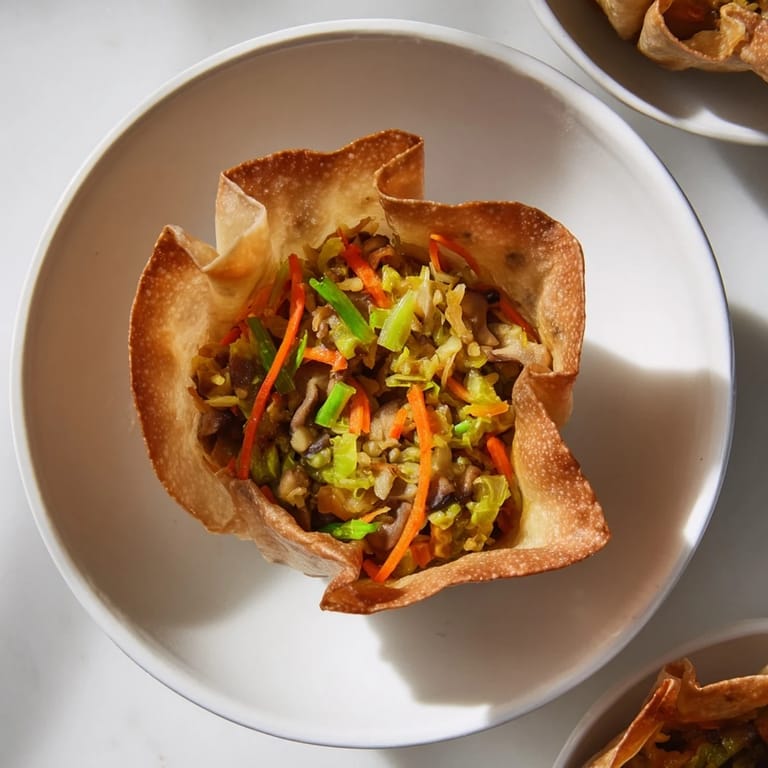
 These dumplings became my answer to the question I used to dread: what do you bring to a potluck? Now I show up with a container of crispy rice paper dumplings and a small jar of sauce, and I always leave with an empty plate and at least three requests for the recipe. There's something about food that's easy to eat with your hands and tastes indulgent but isn't complicated that brings people together in a way fancy plating never quite does.
Recipe FAQs
- → How do I prevent the rice paper from tearing when rolling?
Dip the rice paper briefly in warm water just until pliable, then lay it flat on a damp towel before adding filling. Avoid soaking too long to keep it sturdy.
- → Can I add protein to the filling?
Yes, finely chopped tofu or cooked chicken can be mixed with the vegetables to boost protein content.
- → What oil is best for frying these dumplings?
Neutral oils like canola or avocado provide a clean flavor and high smoke point ideal for achieving crispy texture.
- → How can I achieve extra crunchiness?
Try double wrapping each dumpling in two sheets of rice paper before pan-frying for an extra crispy bite.
- → Is this dish suitable for gluten-free diets?
Use tamari instead of soy sauce and check all labels on rice paper and condiments to ensure gluten-free compliance.