 Save to Pinterest
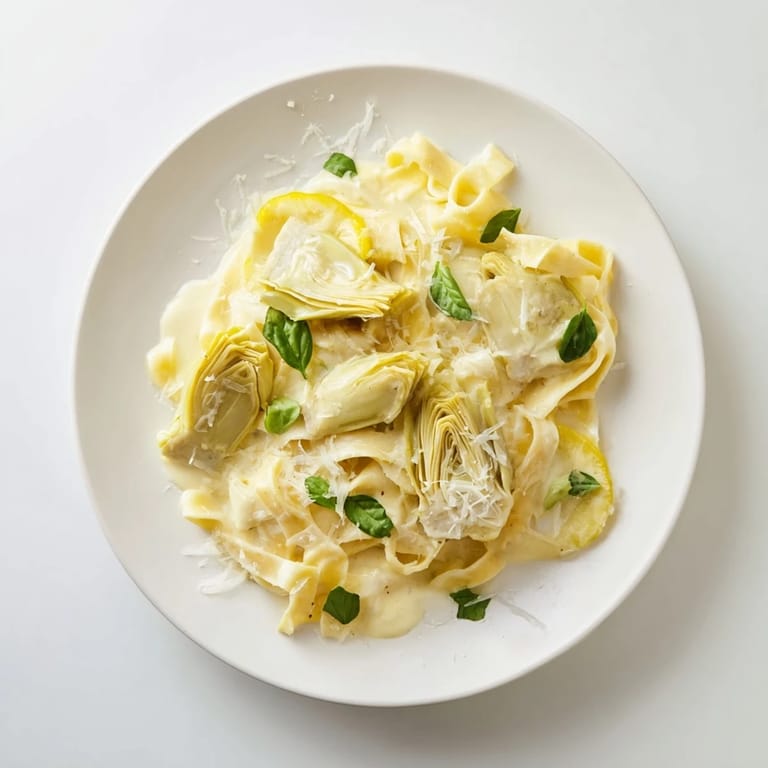
 I stumbled onto this recipe on a warm April evening when I had a jar of marinated artichokes in the pantry and nothing planned. The lemon was sitting on the counter, the cream was about to expire, and I thought, why not? What came together in less than half an hour tasted like something I'd order at a tucked-away trattoria. The brightness of the lemon cut through the richness in a way that felt both indulgent and clean, and I've been making it ever since.
The first time I made this for friends, someone asked if I'd trained in Italy. I laughed because I'd just winged it, but that compliment stuck with me. There's something about the way the artichokes soak up the sauce and the pasta clings to every bit of Parmesan that makes people go quiet at the table. It's become my go-to when I want to impress without spending hours in the kitchen.
Ingredients
- Fettuccine or linguine: Long pasta works best here because it twirls up with the creamy sauce and catches every bit of flavor.
- Artichoke hearts: Use canned and make sure to drain them well, a little char in the pan adds a subtle smokiness that deepens the whole dish.
- Baby spinach: Totally optional, but it wilts down to almost nothing and adds a pop of color and a whisper of earthiness.
- Garlic and shallot: Shallots are sweeter and more delicate than onions, and they melt into the sauce instead of fighting it.
- Lemon zest and juice: This is where the magic happens, the zest gives you perfume and the juice gives you tang.
- Heavy cream: It creates that silky coating, but don't skip the pasta water because that's what makes it cling.
- Parmesan cheese: Freshly grated melts smoothly and tastes sharper, the stuff in the green can won't give you the same result.
- Butter and olive oil: Starting with both gives you richness and a fruity backbone that olive oil alone can't match.
- Crushed red pepper flakes: Just a pinch wakes everything up without making it spicy.
- Fresh basil or parsley: A handful of herbs at the end makes it taste like spring no matter the season.
Tired of Takeout? 🥡
Get 10 meals you can make faster than delivery arrives. Seriously.
One email. No spam. Unsubscribe anytime.
Instructions
- Boil the pasta:
- Get your water boiling with a generous pinch of salt, it should taste like the sea. Cook the pasta just until al dente and save some of that starchy water before you drain, it's your secret weapon for a glossy sauce.
- Sauté the aromatics:
- Melt butter into olive oil over medium heat until it smells nutty, then add the shallot and garlic. Stir them around for a couple of minutes until they're soft and fragrant, not browned.
- Cook the artichokes:
- Toss in the quartered artichoke hearts and let them sit undisturbed for a minute or two so they get a little golden on the edges. Then stir in the lemon zest and spinach if you're using it, and watch the greens collapse into the pan.
- Build the sauce:
- Pour in the cream and let it come to a gentle simmer, then lower the heat and stir in the Parmesan, lemon juice, salt, pepper, and red pepper flakes. The sauce should look smooth and coat the back of a spoon.
- Toss and serve:
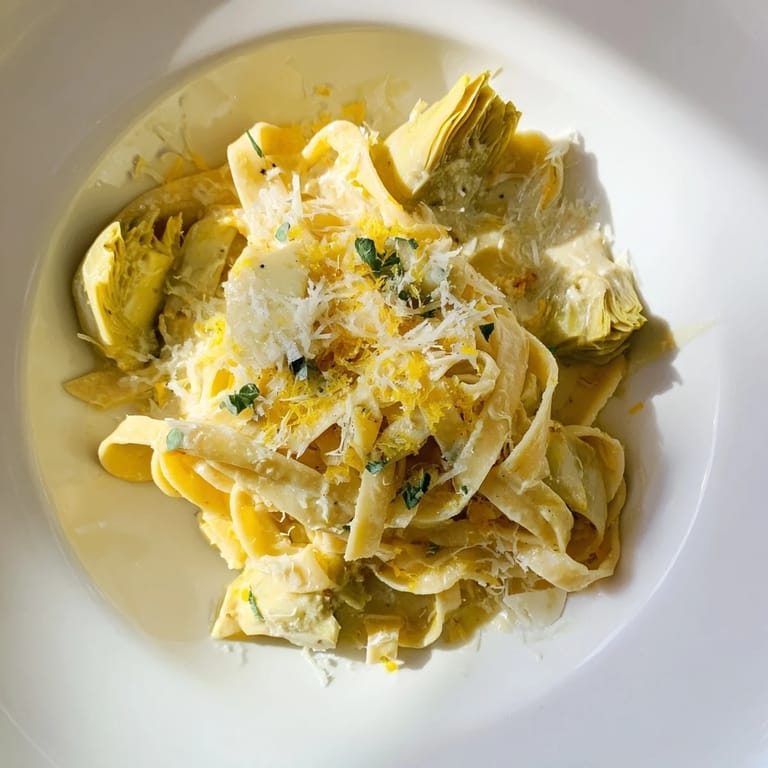
- Add the drained pasta directly to the skillet and toss everything together, adding splashes of pasta water until the sauce is glossy and clings to every strand. Serve it right away with a shower of fresh herbs and extra Parmesan on top.
 Save to Pinterest
 One night I served this to my mom, who usually dismisses anything I make as too rich. She finished her plate and asked for seconds. I didn't say anything, just spooned more onto her dish, but that quiet moment of approval meant more than any review ever could. Food has a way of speaking when words don't.
Making It Your Own
This recipe is a template more than a rulebook. I've added sun-dried tomatoes when I had them, swapped in kale for spinach, and even stirred in leftover rotisserie chicken on nights when I needed more heft. The lemon and artichoke are the constants, everything else can bend to what's in your fridge. Trust your instincts and taste as you go.
What to Serve Alongside
I usually keep it simple with a crisp green salad dressed in olive oil and vinegar, maybe some crusty bread to mop up the sauce. A chilled glass of Pinot Grigio or Sauvignon Blanc cuts through the cream and echoes the citrus, but sparkling water with a lemon wedge works just as well. The pasta is rich enough to be the star without much competition.
Storage and Leftovers
Leftovers keep in the fridge for up to three days, though the pasta will soak up some of the sauce as it sits. When you reheat it, add a splash of cream or milk and a drizzle of olive oil in a skillet over low heat, stirring gently until it loosens up. It won't be quite as silky as the first night, but it's still deeply satisfying.
- Reheat gently to avoid splitting the cream.
- A squeeze of fresh lemon juice before serving brings it back to life.
- Don't microwave it on high or the sauce will separate and turn grainy.
 Save to Pinterest
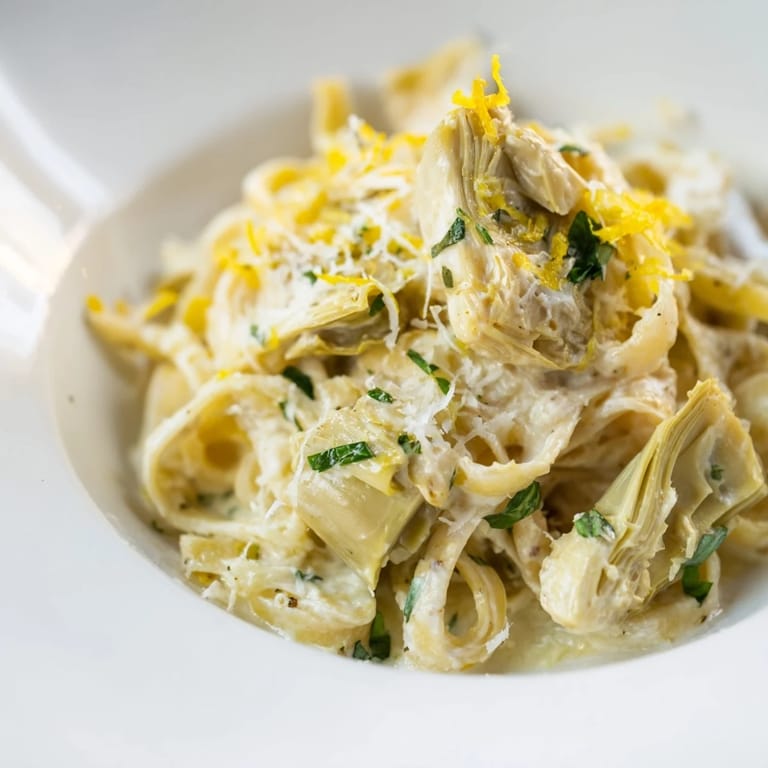
 This dish has become one of those recipes I turn to when I need something comforting but not heavy, celebratory but not fussy. I hope it finds a place in your rotation the way it has in mine.
Recipe FAQs
- → Can I use other types of pasta?
Yes, linguine, spaghetti, or penne can substitute fettuccine for varied texture and shape.
- → How do I make this dish vegetarian-friendly?
The dish is naturally vegetarian. Use plant-based cream and cheese for a vegan adaptation.
- → What is the best way to prepare the artichokes?
Drain canned artichoke hearts well and quarter them before sautéing until lightly golden to enhance flavor.
- → Can I add protein to this dish?
Cooked chicken or shrimp can be added for extra protein, complementing the creamy sauce well.
- → How can I adjust the sauce consistency?
Use reserved pasta water a little at a time to create a smooth sauce that clings well to pasta.
- → What herbs complement this dish?
Fresh basil or parsley garnish adds brightness and balances the richness of the cream.