 Save to Pinterest
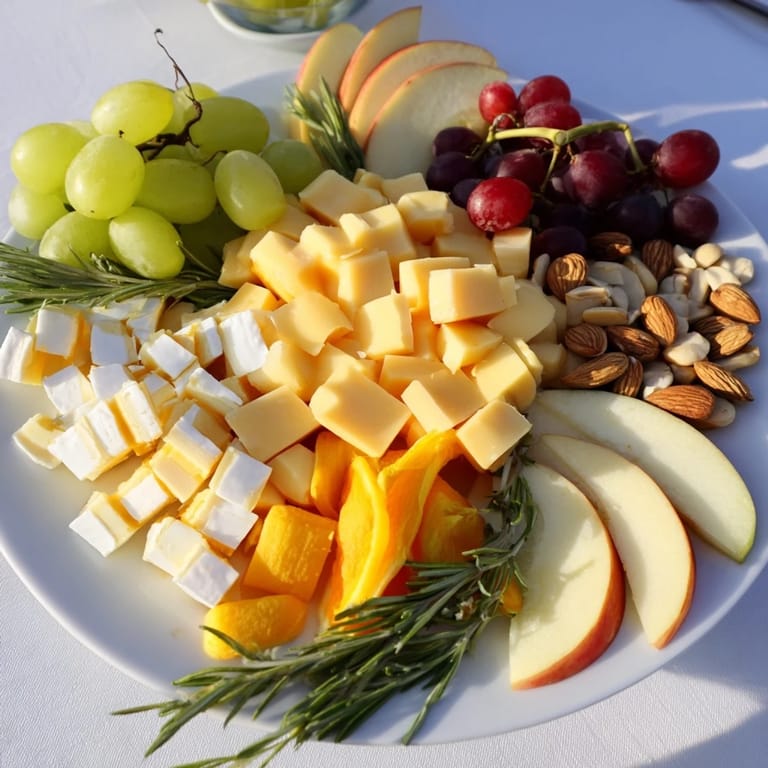
 I'll never forget the first book club meeting at my apartment when I realized that feeding a group of thoughtful readers required something more elegant than just cheese and crackers. That evening, as we discussed our latest selection, I found myself arranging a platter with intention—dividing it into sections, each thoughtfully paired with the wines we'd chosen. The rosemary sprigs I scattered across the board weren't just practical; they released their fragrance with every hand that reached for a slice of brie, and suddenly the whole experience felt like sharing a secret with friends.
What touched me most was watching my book club circle the platter, how each person naturally gravitated to different sections based on their wine choice, how the cheddar and prosciutto section became the gathering point for our most animated discussions. Someone said, "This platter gets what we're doing here—it's about pairing flavors and ideas," and I realized that sometimes the best dishes are the ones that understand their moment.
Ingredients
- Triple-cream brie, 100 g, sliced: The star of your white wine section—seek out one that's soft enough to spread but cold enough to slice cleanly. This richness speaks directly to Chardonnay's fuller body.
- Gruyère cheese, 100 g, cubed: Its subtle nuttiness bridges the gap between the creamy brie and the crisp fruit; the small cubes make it easy for guests to pair with almonds or grapes.
- Green grapes, 1 small bunch: Choose grapes still slightly cool from the fridge—their crunch against the soft cheese is exactly what your palate needs between sips of white wine.
- Crisp apple, 1, sliced: A Granny Smith or Honeycrisp works beautifully here. Slice it just before serving and consider a light lemon juice brush to keep it bright and prevent browning.
- Marcona almonds, 50 g: These are roasted and salted, which means they need no preparation but add tremendous flavor and texture. Their buttery quality complements white wine in ways regular almonds simply cannot.
- Aged cheddar, 100 g, cubed: Look for one with some sharpness—at least 18 months aged if possible. This is your anchor for the red wine section, bold enough to stand up to Pinot Noir's structure.
- Smoked gouda, 100 g, sliced: The smokiness adds depth to this section. Slice it thin enough to be elegant but thick enough that the texture remains interesting against your tongue.
- Prosciutto, 70 g, thinly sliced: Buy it sliced from the counter if possible. Those delicate folds are meant to catch the light and showcase the care of your platter.
- Salami, 70 g, sliced: Choose one with good marbling and a peppery finish. This is where the red wine section gets its savory kick.
- Cherry tomatoes, 1 cup: Leave them whole—they're meant to burst slightly as guests bite into them, releasing their sweetness as a counterpoint to the cured meats.
- Herbed goat cheese, 100 g, formed into a log: Soften it slightly at room temperature so it's spreadable but still holds its shape. The herbs (usually chives and dill) should be visible and fragrant.
- Dried apricots, 70 g: Their subtle tartness is exactly what sparkling wine needs. Choose ones that are still soft and have that beautiful jewel-tone color.
- Roasted pistachios, 50 g: Their slight saltiness and that distinctive flavor work magic with the brightness of rosé. Leave them in their shells if you'd like—it adds to the experience of eating.
- Mixed olives, 1/2 cup: Choose a mix of colors and varieties if possible—maybe a Castelvetrano with a Kalamata. This is your salinity anchor for the entire platter.
- Cucumber, 1/2, sliced: That cool, clean flavor is essential to the sparkling wine section. Slice it just before serving so it stays crisp and doesn't weep.
- Baguette, 1, sliced: A proper baguette with a crispy crust and tender crumb. Slice it at an angle so each piece feels intentional, like you've thought about every detail.
- Assorted crackers, 1 box: Choose crackers with different textures and flavors—some delicate, some hearty, some herbed. They're the blank canvas for guests to create their own flavor combinations.
- Fresh rosemary sprigs, 3–4: These living dividers release their fragrance as the evening unfolds. The aroma becomes part of the memory of the gathering.
- Honey or fig jam, optional: A small drizzle transforms simple cheese into something unexpected. The fig jam especially finds its way into conversations about sweetness and complexity.
Tired of Takeout? 🥡
Get 10 meals you can make faster than delivery arrives. Seriously.
One email. No spam. Unsubscribe anytime.
Instructions
- Find your canvas:
- Choose a large platter or wooden board that feels generous—this isn't about filling every inch, it's about creating visual breathing room. I prefer wood because it has warmth, but marble or slate brings its own elegance. Make sure it's clean and dry before you begin.
- Plant your rosemary dividers:
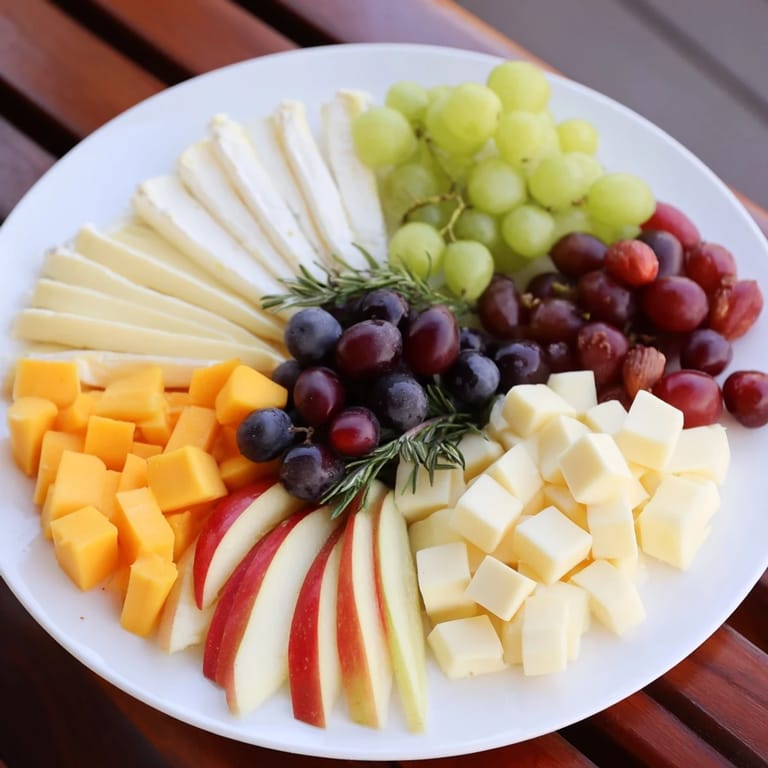
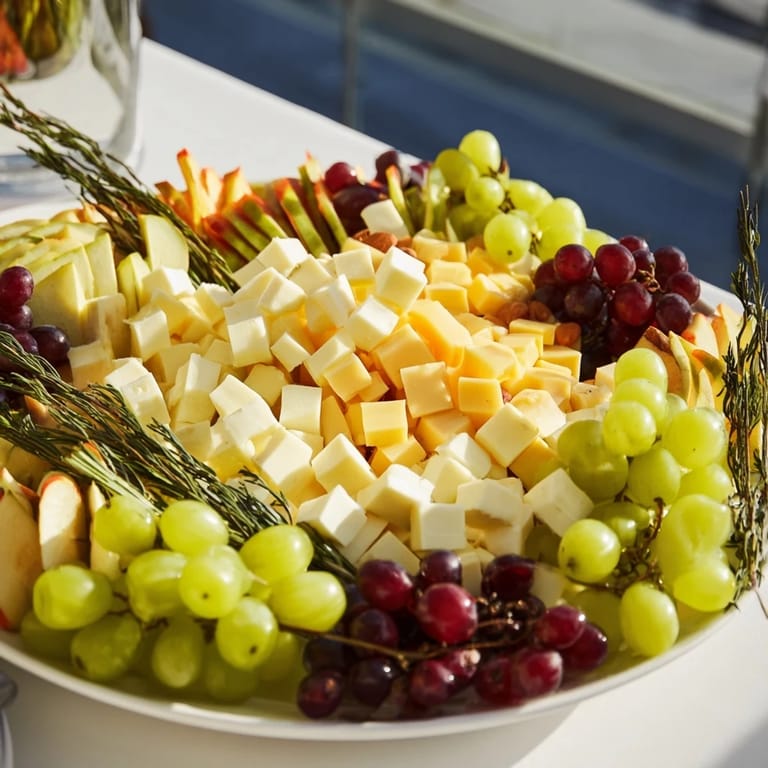
- Lay down your rosemary sprigs to create three distinct sections. Don't overthink this—three lines dividing the platter into thirds work beautifully. As you place them, brush your fingers across the leaves; that's the scent your guests will remember.
- Build the Chardonnay section (Section 1):
- Start with the soft cheese—arrange the brie slices first, then scatter the Gruyère cubes nearby. Add the grapes in a small cluster, fan your apple slices artfully, and tuck the almonds into any remaining spaces. Think about colors: the deep green of grapes, the pale cream of brie, the golden almonds. This section should feel inviting and sophisticated.
- Compose the Pinot Noir section (Section 2):
- This is where you build contrast and depth. Arrange the darker cheeses—aged cheddar and smoked gouda—first, then loosely fold the prosciutto and salami, letting them overlap and show their beautiful marbling. Scatter cherry tomatoes throughout. This section should feel bold and rich, with deeper tones that complement red wine.
- Arrange the sparkling section (Section 3):
- Place the goat cheese log prominently—it's going to be gorgeous. Arrange the apricots nearby, add the pistachios, and scatter the olives. The cucumber slices should be fanned slightly. This section should feel fresh and light, with colors that dance in the light.
- Fill the spaces with intention:
- Now comes the part that feels like you've spent hours planning. Arrange your baguette slices and crackers around the platter, thinking about how guests will move through it. Angle the baguette slices, create little clusters of crackers near each cheese. Every placement should feel considered.
- Add the finishing touch:
- If you're using honey or fig jam, place small bowls strategically near cheese sections. A tiny spoon in each bowl makes it clear what they're for and adds another layer of elegance.
- Present with confidence:
- Bring the platter to the table just before guests arrive if possible, so everything is as fresh and aromatic as it can be. The rosemary fragrance will be at its peak, and that first moment of seeing the platter—that's when the magic happens.
 Save to Pinterest
 What I learned that first book club evening was that a beautiful platter becomes a gathering point, a conversation piece, a shared memory. Someone brought that platter up at book club two years later—not the book we'd read that night, but the way the rosemary smelled, the way everyone circled it like it was telling stories.
The Wine Pairing Philosophy Behind Each Section
I used to think wine pairings were something mysterious, reserved for sommeliers and fancy dinners. But arranging this platter taught me it's actually about understanding what each wine needs. A Chardonnay—especially a rich, buttery one—wants the fat of brie and the sweetness of grapes to balance its body. A Pinot Noir, lighter and more delicate than you'd think, craves the saltiness of cured meat and the slight tang of aged cheddar to give it something to hold onto. And sparkling wine? It wants brightness and contrast—the creamy goat cheese, the tartness of apricots, the clean snap of cucumber. Once you understand this, you're not just serving wine; you're orchestrating an experience.
Why This Platter Works for Book Clubs and Gatherings
Book clubs sit for hours, and a platter like this acknowledges that reality. It's substantial enough to provide real sustenance without being so heavy that it makes conversation difficult. There's no pressure to eat everything—guests can graze, returning to their favorite sections as the evening unfolds. The different sections also solve a practical problem: everyone finds something they love. Someone might be allergic to nuts—they have the meat and cheese section. Someone might be vegetarian—they have three whole sections waiting. And because the platter is organized visually, no one feels awkward asking what things are or where things belong.
Final Touches and Last-Minute Wisdom
The moments just before guests arrive are when you remember the small details that matter: making sure nothing has dried out, giving the rosemary sprigs a gentle refresh so they're fragrant, checking that bowls for olives or jam are clean and inviting. These aren't frantic moments if you've prepared ahead; they're meditative ones, final touches on something you're genuinely proud of.
- Chill your serving platter or board in the fridge for 15 minutes before assembling—this keeps soft cheeses firmer and everything fresher longer
- If you're concerned about items drying out during a long evening, cover loosely with a kitchen towel until guests arrive, then uncover for the grand moment
- Have small plates, napkins, and cheese knives ready nearby—not on the platter itself, but close enough that guests feel cared for and can serve themselves easily
 Save to Pinterest
 A good platter doesn't demand attention; it invites it. This one whispers to your guests that you've thought about them, that you understand they might want something different from each other, that the evening itself is an experience worth savoring alongside whatever book brought everyone together.
Recipe FAQs
- → How should the platter be arranged?
Arrange the ingredients in three sections divided by fresh rosemary sprigs to keep flavors distinct and add aroma.
- → Can this platter accommodate vegetarian preferences?
Yes, omit the meats and substitute with extra nuts or roasted vegetables to suit vegetarian needs.
- → What cheeses work well in this arrangement?
The platter includes triple-cream brie, Gruyère, aged cheddar, smoked gouda, and herbed goat cheese for a variety of textures and flavors.
- → What accompaniments enhance the platter?
Fresh baguette slices, assorted crackers, and optional honey or fig jam complement the flavors and textures nicely.
- → How does rosemary contribute to the platter's experience?
Rosemary sprigs serve as natural dividers adding both a visual flair and a fragrant aroma that elevates the presentation.