 Save to Pinterest
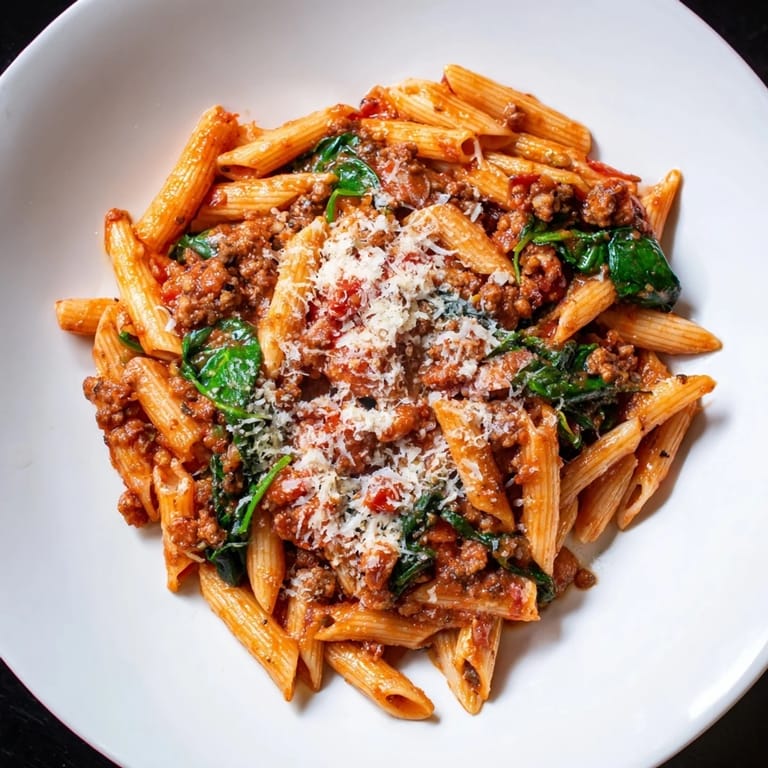
 I threw this together on a Wednesday night when the fridge was nearly empty and everyone was cranky. The sausage had been sitting in the freezer, the tomatoes were from a can I almost forgot about, and I figured one pot meant less cleanup. What came out of that skillet surprised all of us—it was rich, satisfying, and tasted like I'd been simmering it for hours. Now it's the dish I make when I need comfort without the fuss.
The first time I made this for my neighbor, she stood in my kitchen and asked if I'd added wine or used homemade stock. I hadn't—it was just the way the tomatoes melted into the broth and the Parmesan thickened everything at the end. She went home with the recipe scribbled on a napkin, and now she texts me every time she makes it with a photo of her own version.
Ingredients
- Italian sausage: The star of the dish, it brings seasoning and richness without requiring a long list of spices—look for casings you can easily pinch open and discard.
- Yellow onion: I dice mine small so it practically disappears into the sauce, adding sweetness without chunks that picky eaters might push aside.
- Garlic: Fresh cloves matter here because they bloom in the hot oil and perfume the entire pot within seconds.
- Canned diced tomatoes: I use the kind with juices included, they break down into a silky base that clings to every piece of pasta.
- Baby spinach: Optional, but a handful wilts in at the end and makes me feel slightly virtuous about serving greens.
- Short pasta: Penne or rigatoni work best because their ridges catch the sauce, and they cook evenly when nestled in broth.
- Chicken broth: Low-sodium gives you control over the salt level, especially once the Parmesan goes in.
- Heavy cream: Just a splash smooths out the acidity of the tomatoes and makes the sauce cling like velvet.
- Parmesan cheese: Freshly grated melts better and tastes sharper than the pre-shredded kind, which can turn grainy.
- Olive oil: I use this to start the sausage browning, it keeps everything from sticking before the fat renders out.
- Dried Italian herbs: A quick shake adds oregano and basil notes without having to chop fresh herbs on a busy night.
- Crushed red pepper flakes: I add these when I want a little heat sneaking up at the end of each bite.
- Salt and black pepper: Taste before serving because the sausage and cheese already bring plenty of salt to the party.
Tired of Takeout? 🥡
Get 10 meals you can make faster than delivery arrives. Seriously.
One email. No spam. Unsubscribe anytime.
Instructions
- Brown the sausage:
- Heat the olive oil over medium-high heat and crumble in the sausage, breaking it into bite-sized pieces with your spoon. Let it sizzle undisturbed for a minute or two so it gets those caramelized edges that taste like pure comfort.
- Soften the aromatics:
- Toss in the chopped onion and stir until it turns translucent and sweet, then add the garlic and cook just until you can smell it—about one minute before it risks burning.
- Build the tomato base:
- Pour in the diced tomatoes with all their juices, sprinkle in the Italian herbs and red pepper flakes, and stir everything together. You'll see the bottom of the pan release all those browned bits, which means flavor.
- Add the pasta and broth:
- Dump in the uncooked pasta and pour the chicken broth over the top, giving it a good stir so nothing sticks. Bring it to a boil, then lower the heat to a gentle simmer and cover the pot.
- Simmer until tender:
- Let it cook for 12 to 15 minutes, lifting the lid every few minutes to stir and make sure the pasta isn't clumping. The liquid will reduce and the pasta will drink up all that savory broth.
- Finish with cream and cheese:
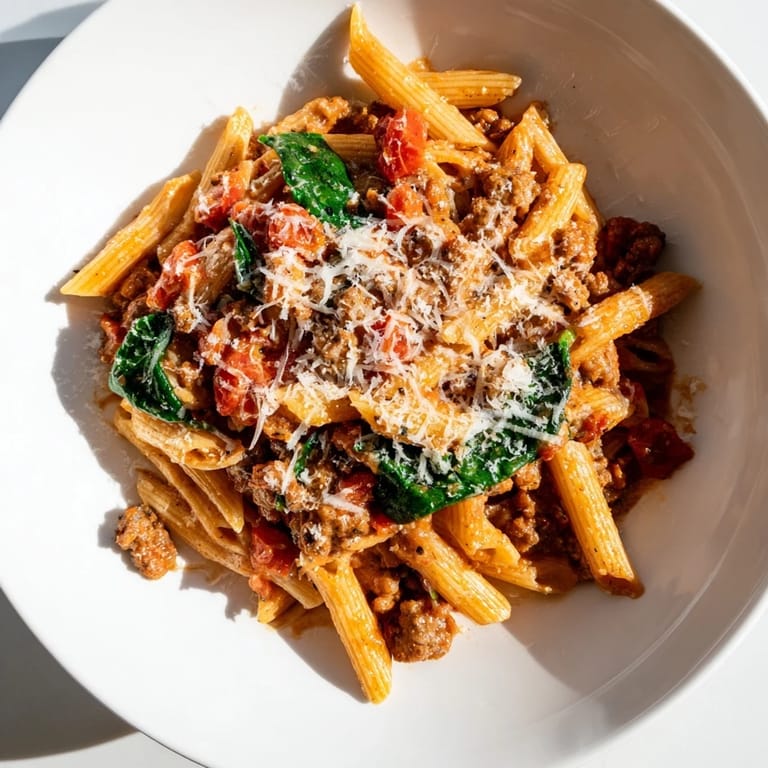
- Stir in the heavy cream and Parmesan, then fold in the spinach if you're using it. Cook for another 2 to 3 minutes until the greens wilt and the sauce thickens into something you want to spoon directly into your mouth.
- Season and serve:
- Taste and adjust with salt and pepper, remembering that the cheese is already salty. Serve hot with extra Parmesan on the side and maybe some torn basil if you have it.
 Save to Pinterest
 One rainy Sunday, I made a double batch of this and brought half to a friend who'd just had a baby. She texted me later that night saying her husband ate three bowls standing at the counter and asked if I could teach him how to make it. That's when I realized this recipe wasn't just easy—it was the kind of thing that made people feel cared for without you having to say much at all.
Swaps and Variations
If you want to lighten it up, turkey sausage works beautifully and still brings plenty of flavor. I've also stirred in sliced mushrooms or diced bell peppers with the onions when I need more vegetables, and they soften right into the sauce without changing the cooking time. For a gluten-free version, just swap in your favorite gluten-free short pasta and check that your sausage doesn't have hidden fillers.
What to Serve Alongside
This is hearty enough to stand alone, but I like to set out a simple green salad with lemon vinaigrette and some crusty bread for mopping up the sauce. If you're feeling fancy, a glass of Chianti or Sangiovese cuts through the richness and makes it feel like a proper Italian dinner, even on a Tuesday.
Storage and Reheating
Leftovers keep in the fridge for up to three days, though the pasta will soak up more sauce as it sits. When I reheat it, I add a splash of broth or water to loosen things up and warm it gently on the stove, stirring often so the cheese doesn't break.
- Let it cool completely before transferring to an airtight container to avoid condensation that makes the pasta mushy.
- You can freeze individual portions for up to two months, just thaw overnight in the fridge before reheating.
- If the sauce separates after freezing, a quick stir over low heat with a bit of cream brings it back together.
 Save to Pinterest
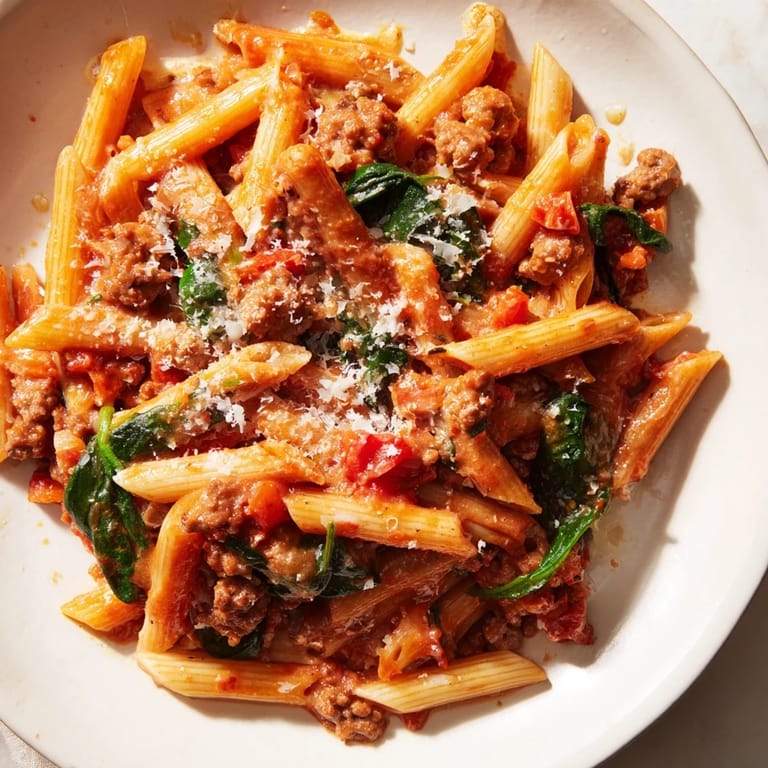
 This is the kind of recipe I return to when I need something reliable that still feels special. It reminds me that good food doesn't have to be complicated, just honest and made with a little attention.
Recipe FAQs
- → Can I use turkey sausage instead of Italian sausage?
Yes, turkey sausage can be substituted for a lighter alternative without compromising overall flavor.
- → How can I make this dish gluten-free?
Simply switch the pasta to a gluten-free variety to accommodate dietary needs.
- → Is it possible to add vegetables to this dish?
Absolutely, sliced mushrooms or bell peppers can be sautéed with the onions for extra texture and nutrition.
- → How do I know when the pasta is perfectly cooked?
Cook until the pasta is al dente—tender but still firm—after simmering in the broth for 12–15 minutes.
- → Can I prepare this dish ahead of time?
This meal is best enjoyed fresh, as the creamy sauce and pasta texture are optimal right after cooking.