 Save to Pinterest
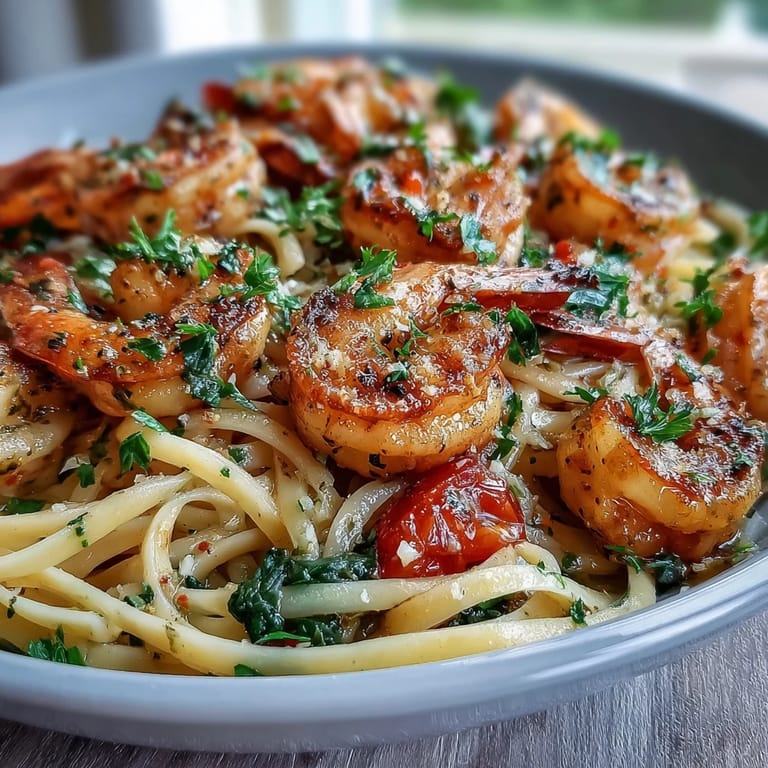
 There's something about the smell of garlic hitting hot olive oil that makes you feel like you're cooking on the Amalfi Coast, even if you're just in your kitchen on a Tuesday night. I discovered this one-pot garlic shrimp pasta almost by accident, actually—I had a craving for something spring-like but didn't want to juggle multiple pans, so I threw everything into one deep skillet and somehow it all came together in less than thirty minutes. The first time I made it, my partner walked in halfway through and couldn't believe how fragrant the place had become. It's the kind of dish that feels fancy enough to impress people but simple enough that you won't stress while making it.
I made this for my sister when she was going through a phase of trying to eat lighter, and I remember her face when she took that first bite—pure surprise that something this delicious could be so straightforward. She ended up asking for the recipe three times because she kept forgetting to write it down, and now it's become her go-to when she wants to feel like she's cooking something special without the fuss.
Ingredients
- Large shrimp, peeled and deveined (1 lb): Buy them fresh if you can find them, but honestly frozen works beautifully too—just thaw them properly and pat them dry so they get a little color in the pan.
- Angel hair pasta (12 oz): This delicate pasta is key because it cooks fast and nestles into the broth without becoming mushy, though spaghetti works in a pinch.
- Cherry tomatoes (1 cup, halved): They burst slightly as they cook and release their sweetness into the broth, which is where all the magic happens flavor-wise.
- Snap peas (1 cup, trimmed): These stay crisp-tender and add a little sweetness that balances the acidity of the lemon beautifully.
- Baby spinach (1 cup): Stir this in at the very end so it wilts gently without turning dark and bitter.
- Zucchini (1 small, sliced): Thin slices cook through without falling apart, and they soak up all that garlicky broth like little flavor sponges.
- Fresh parsley and green onions: These finish the dish with a brightness that reminds you this is spring on a plate.
- Garlic (4 cloves, minced): Don't skip the mincing—those small pieces distribute throughout the oil and create a flavor base that carries the entire dish.
- Extra virgin olive oil (1/4 cup): Quality matters here since it's such a prominent ingredient and becomes your sauce base.
- Lemon zest and juice: The zest gives you those little bursts of citrus oil, while the juice adds acidity that makes everything brighter and fresher-tasting.
- Dry white wine (1/2 cup): This adds depth and cooks off, leaving behind complexity that vegetable broth alone won't give you.
- Chicken or vegetable broth (3 cups): This becomes your cooking liquid for the pasta, so it's essentially your sauce—pick one you'd actually drink.
- Red pepper flakes (1/2 tsp, optional): A whisper of heat that makes people ask what's making this taste so interesting.
- Salt, pepper, and Parmesan: Season aggressively as you go, and the Parmesan adds that final salty richness if you're including it.
Tired of Takeout? 🥡
Get 10 meals you can make faster than delivery arrives. Seriously.
One email. No spam. Unsubscribe anytime.
Instructions
- Start your flavor base with garlic and oil:
- Heat that olive oil over medium heat and let it get hot enough that when you add the minced garlic, it immediately starts to shimmer and smell unbelievable. If you're using red pepper flakes, add them here too and let everything sauté for just about a minute—you want the garlic fragrant but not brown, which would make it bitter.
- Soften your vegetables gently:
- Add the cherry tomatoes, snap peas, and zucchini slices to the pan and give everything a stir. They need about two to three minutes on medium heat, just enough time to get a little soft around the edges but still maintain their personality.
- Build the broth with wine and aromatics:
- Pour in your white wine and let it bubble away for a couple minutes—this is when your kitchen smells restaurant-quality. Then add the broth, lemon zest, and lemon juice, and let everything come to a gentle boil so you know your liquid is going to be the right temperature for the pasta.
- Add the pasta and let it cook partway:
- Stir in your angel hair pasta, making sure it gets submerged under the broth. Cover the skillet and cook for three to four minutes, stirring every minute or so, until the pasta is almost tender but still has a little resistance.
- Add the shrimp and finish cooking:
- This is the moment when everything comes together—spread the shrimp evenly over the pasta, cover again, and cook for another two to three minutes until they turn that beautiful opaque pink and the pasta reaches al dente. If you open the lid and see pale shrimp, give it another thirty seconds, but don't overcook them or they'll get rubbery.
- Finish with fresh herbs and final seasoning:
- Remove from heat and fold in the baby spinach, green onions, and parsley—the residual heat will wilt the spinach perfectly. Taste everything and adjust your salt and pepper, keeping in mind that Parmesan will add extra saltiness if you're using it.
- Serve with joy and garnishes:
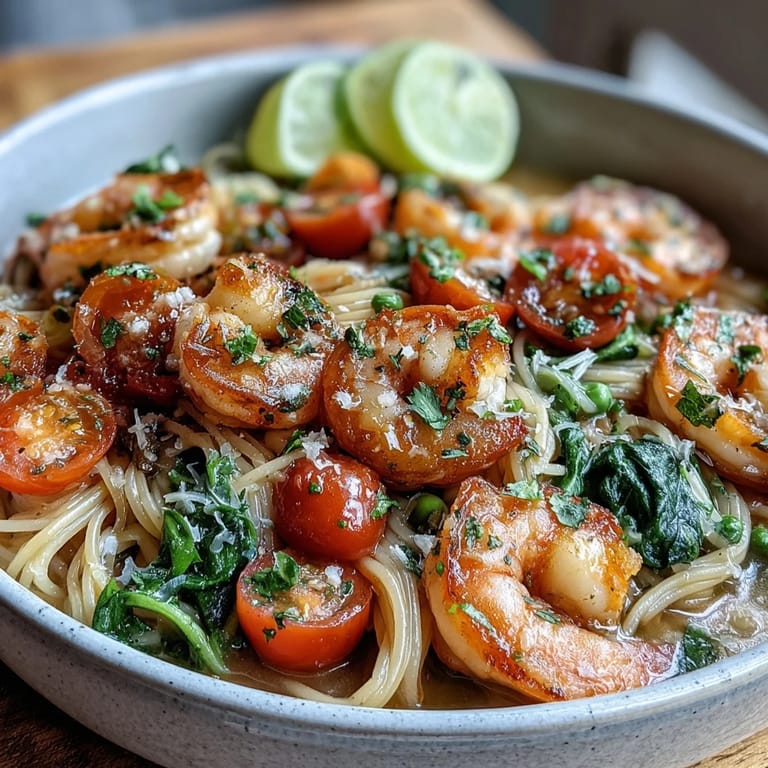
- Plate it up immediately while it's still steaming, and top with grated Parmesan and a squeeze of fresh lemon if you're feeling fancy. The whole point is to get it from pan to bowl while everything is still hot and bright.
 Save to Pinterest
 What I love most about this dish is how it transformed my weeknight cooking—suddenly I wasn't staring at three different pots and wondering where everything went wrong, and instead I was creating something that tasted like I'd planned it carefully. It's become my go-to dish for showing people that elegant food doesn't require fancy technique, just good ingredients and a little attention.
Spring Vegetables Make All the Difference
The reason this dish feels so alive and fresh is because spring vegetables are doing the heavy lifting—they're bright, they cook quickly, and they stay crisp instead of becoming sad and overcooked. When I first made this, I used winter vegetables out of stubbornness, and while it tasted fine, it felt heavy and a little tired. The next time I went to the farmers market specifically for snap peas and cherry tomatoes that looked like they were glowing, and the entire dish transformed. The contrast between those tender vegetables and the delicate pasta creates this wonderful interplay of textures that keeps every bite interesting.
Why This Works as One-Pot Cooking
One-pot pasta can be tricky because you're essentially cooking pasta risotto-style, absorbing liquid directly into the starch instead of boiling it separately, and I was skeptical at first that it would work. But here's what I discovered through some trial and error: as long as you start with enough broth and stir frequently enough that the pasta doesn't stick to the bottom, the pasta ends up tasting better because it's absorbing all that garlic-lemon-wine flavor instead of just being neutral starch. The vegetables also release their own liquid as they cook, which helps create a silky consistency that feels luxurious without actually being heavy.
Wine, Citrus, and Brightness
There's a reason Mediterranean cooking leans so heavily on lemon and wine—they add complexity and brightness that prevents the dish from feeling one-dimensional or heavy. I learned this the hard way when I made a version without the wine because I was in a hurry, and while it was still good, it was missing that subtle depth that makes you take another bite wondering what makes it taste so interesting. The lemon juice and zest together create multiple layers of citrus flavor—the juice adds acid and brightness while the zest contributes those little bursts of concentrated lemon oil, and together they transform simple shrimp and pasta into something that feels considered and special.
- Always zest your lemon before you cut it in half to squeeze the juice, or you'll be stuck trying to zest half a lemon which is annoying.
- If you're nervous about the wine, use vegetable broth instead, but you'll lose some of that complexity that makes the sauce memorable.
- Taste your broth before you add the pasta because this is your last chance to adjust the seasoning and acidity before everything combines together.
 Save to Pinterest
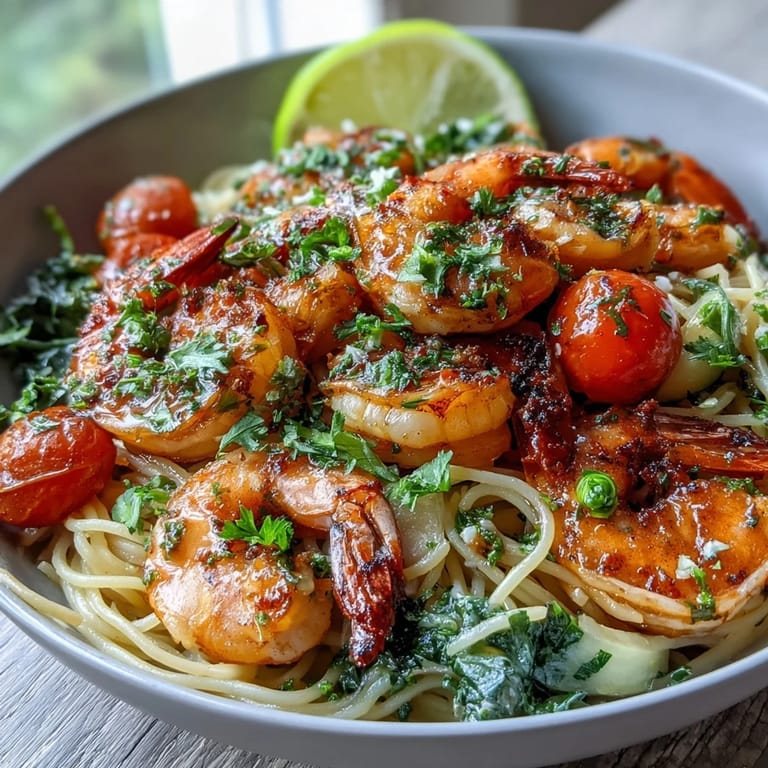
 This dish has become my favorite way to cook when I want something that tastes restaurant-quality but doesn't require me to spend my entire evening in the kitchen. It's one of those recipes that reminds you that the best cooking often comes from constraint—one pot, thirty minutes, and ingredients that are happy to work together.
Recipe FAQs
- → Can I use other types of pasta?
Yes, light pasta types like linguine or thin spaghetti work well, but adjust cooking times accordingly.
- → How do I know when shrimp is perfectly cooked?
Shrimp turns opaque and pink when cooked through, usually in 2-3 minutes after adding to the hot pasta.
- → Can I substitute white wine in the sauce?
Dry white wine can be replaced with vegetable broth for a milder, non-alcoholic option that still adds depth.
- → What vegetables complement this dish best?
Cherry tomatoes, snap peas, zucchini, and baby spinach provide freshness and texture to balance the shrimp and pasta.
- → Is it possible to make this dish gluten-free?
Yes, swap angel hair pasta with a gluten-free alternative to keep it suitable without sacrificing taste.
- → How to enhance the garlic flavor without overpowering?
Sauté minced garlic briefly in olive oil until fragrant, avoiding browning to keep a fresh, aromatic touch.